
Is e904 vegan?
E904 is a non-vegan food ingredient.
Checking out an ingredients list? 👇
"You are amazing, this has saved me so much time when grocery shopping!"
— Austin, a user who reached out with feedback
"It's been a great tool since starting my journey! You take a pic of the nutrition/ingredients, and it'll warn you of anything questionable or not vegan. 😁"
— Ashe, a Vegan For Beginners Facebook Group member
"Use a vegan app when you go shopping, I use WhatsVegan."
— Dóra, a Vegan For Beginners Facebook Group member
So, what is e904?
E904: Unpacking the Origin and Ethical Implications of Shellac
E904, more commonly known as shellac, is an ingredient frequently encountered as a glazing agent or protective coating across a wide range of products, from confectionery and pharmaceutical tablets to certain fresh produce. Its ability to impart a high-gloss finish and act as a moisture barrier makes it a valuable industrial compound for maintaining freshness and aesthetic appeal.
However, for those committed to a vegan lifestyle, understanding the true origin of E904 is paramount. Shellac is definitively not vegan. It is a natural resin secreted by the female lac insect (Kerria lacca), an insect native to the forests of India and Thailand. These tiny insects feed on tree sap, and as part of their natural life cycle, they excrete a resinous protective cocoon onto tree branches. This cocoon serves as a protective layer for the insects and their offspring.
The process of harvesting shellac involves scraping these resinous deposits, along with the trapped insects, directly from the host trees. This raw material, known as sticklac, is then crushed, washed, and refined through various heating and filtering processes to produce the shellac flakes used in food and other industries. The scale of this operation means that countless lac insects are inevitably killed or harmed during the collection and processing of their secretions. From an animal ethics perspective, the purposeful cultivation and exploitation of insects for their byproducts, leading to their suffering and death, runs directly counter to the foundational principles of veganism. It represents the commodification of sentient life, however small, for human gain.
Given its animal-derived nature, E904 presents a significant concern for vegans scrutinizing ingredient lists. It's often found on candies, chocolates, coffee beans, nuts, and even certain fruits like apples and citrus, where it provides a glossy, protective sheen. Its inclusion underscores the vital importance of label transparency and consumer vigilance.
Fortunately, excellent plant-based alternatives exist that can achieve similar functional properties without compromising ethical integrity. Waxes like carnauba wax (E903) and candelilla wax (E902), both derived from plants, are widely used as cruelty-free glazing agents. These natural, vegetable-based waxes offer effective barriers and desirable finishes, serving as direct replacements for shellac in many applications.
The challenge often lies in situations where E904 might be employed as a "processing aid" on fresh produce. In some regions, if a glazing agent is applied to fruit, it might not always be explicitly listed in the ingredient panel, making it even more challenging for consumers to make informed, ethical choices. This highlights the ongoing need for clearer regulations and greater transparency regarding all substances used in food production, particularly those with animal-derived origins.
For the vegan consumer and those dedicated to a cruelty-free existence, E904 unequivocally falls outside the scope of acceptable ingredients. Its reliance on the exploitation and destruction of insect life stands in direct opposition to a lifestyle built on compassion and respect for all living beings. Understanding its origin empowers individuals to seek out truly plant-based alternatives and advocate for a food system that prioritizes ethical sourcing and robust label clarity.
How to quickly find the source of ingredients like e904?
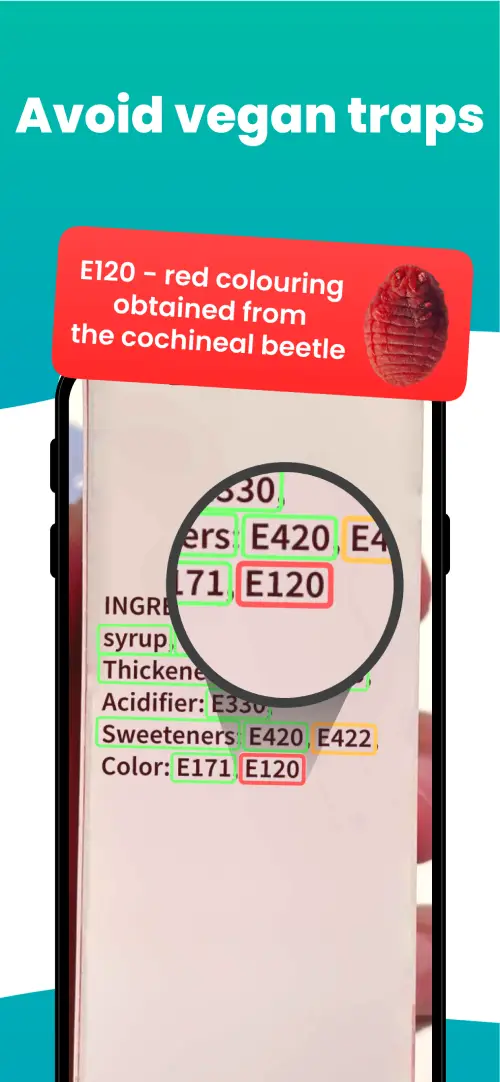
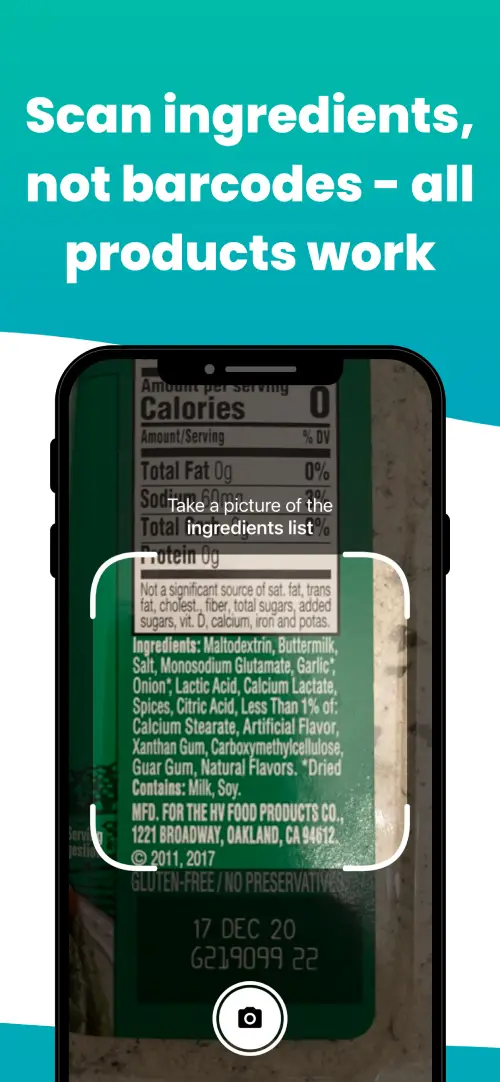
We've built a vegan ingredients scanner that classifies food ingredients as "vegan", "non-vegan", or "potentially vegan".
It allows you to avoid non-vegan ingredients - just take a picture of a product's ingredient list, and the app tells you if the product is vegan or not.



Check out other ingredients:
Is e913 vegan?Is e542 vegan?Is zinc caseinate vegan?Is dried cheddar vegan?Is carmine dye vegan?Is pasteurized sheep's milk vegan?Is pasteurised sheep's milk vegan?Is cooked pacific herring vegan?Is raw chicken breast vegan?Are raw chicken wings vegan?Is cooked cod vegan?Is farine ble malte vegan?
We'll never send you spam.