
Is e913 vegan?
E913 is a non-vegan food ingredient.
Checking out an ingredients list? 👇
"You are amazing, this has saved me so much time when grocery shopping!"
— Austin, a user who reached out with feedback
"It's been a great tool since starting my journey! You take a pic of the nutrition/ingredients, and it'll warn you of anything questionable or not vegan. 😁"
— Ashe, a Vegan For Beginners Facebook Group member
"Use a vegan app when you go shopping, I use WhatsVegan."
— Dóra, a Vegan For Beginners Facebook Group member
So, what is e913?
E913: Unpacking the Ingredient Known as Lanolin
When scrutinizing ingredient lists for adherence to a vegan lifestyle, understanding the origin of every component is paramount. E913, commonly identified as lanolin, is one such ingredient that requires close attention, particularly given its direct animal derivation.
Lanolin is a natural wax produced by the sebaceous glands of wool-bearing animals, primarily sheep. Its purpose is to condition and protect their wool. The substance is harvested by washing raw wool, which removes the lanolin along with other impurities. This greasy, yellowish wax possesses excellent emulsifying and moisturizing properties, making it a valuable additive in various industries.
The Origin Story: Why Lanolin is Not Vegan
For those committed to animal ethics and purity, lanolin stands in direct opposition to vegan principles. Its extraction is inherently linked to the sheep farming industry, an industry built upon the domestication and exploitation of animals for their wool. While some may argue that lanolin is a byproduct of wool production, its existence as an animal-derived substance means it cannot be considered cruelty-free from a strict vegan perspective. Vegans avoid all products that necessitate the use or exploitation of animals, regardless of whether the animal is harmed during the process or if the product is considered a "waste" item. The very source—an animal—makes it unacceptable.
The ethical stance is clear: utilizing lanolin supports an industry that views animals as commodities. True vegan purity extends beyond direct suffering to encompass all forms of animal commodification.
Common Applications and Hidden Presences
In the realm of food science, E913 acts primarily as a glazing agent, a chewing gum base ingredient, and an emulsifier. It can impart a specific texture or shine to confectionery and certain baked goods. Beyond food, lanolin is pervasive in cosmetics, skin creams, and pharmaceutical products, prized for its ability to soften and hydrate. This widespread application means that consumers dedicated to a plant-based, cruelty-free lifestyle must remain vigilant across multiple product categories.
Navigating Labels and Seeking Transparency
Identifying lanolin on an ingredient list often involves looking for "E913" or its common name, "lanolin," "lanolin alcohol," or "lanolin acid." The absence of clear labeling can pose a challenge, underscoring the vital need for greater label transparency from manufacturers. Consumers are empowered by this knowledge, enabling them to make informed choices that align with their ethical convictions.
Embracing Plant-Based Alternatives
Fortunately, for virtually every functional property of lanolin, there exist numerous plant-based alternatives that deliver similar, if not superior, performance without compromising animal welfare. Waxes such as carnauba wax (E903), candelilla wax (E902), and various plant-derived oils and butters like shea butter or cocoa butter, are widely used as vegan emulsifiers, glazing agents, and moisturizers. These plant-based options ensure that product innovation and consumer choice need not rely on animal exploitation.
Choosing to avoid E913 is a conscious decision that reflects a commitment to a life free from animal products. By understanding its origins and advocating for plant-based alternatives, we uphold the principles of animal ethics and purity in our daily consumption.
How to quickly find the source of ingredients like e913?
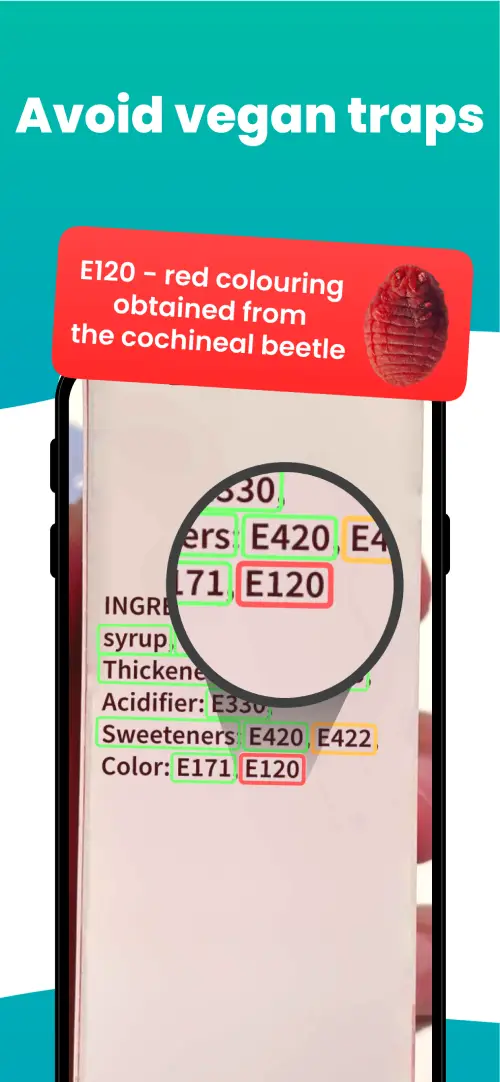
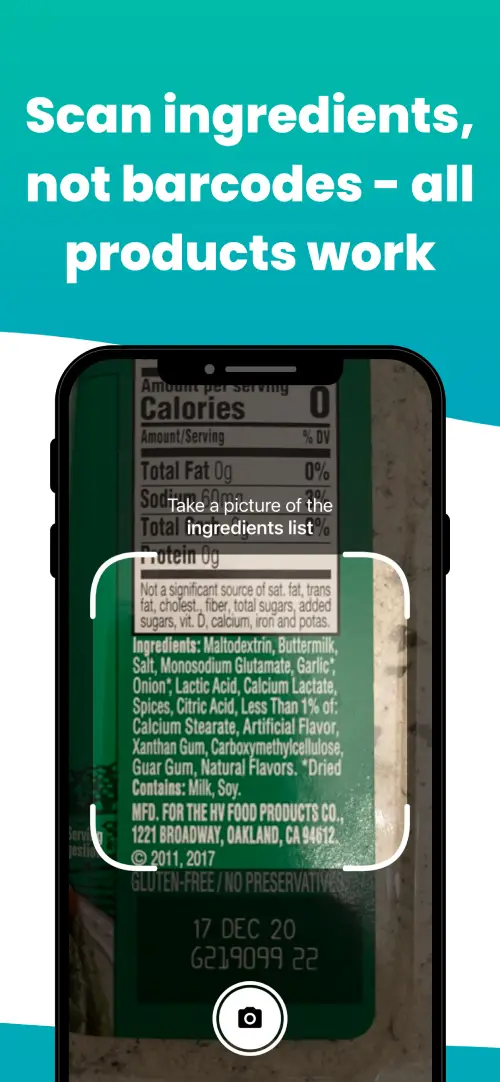
We've built a vegan ingredients scanner that classifies food ingredients as "vegan", "non-vegan", or "potentially vegan".
It allows you to avoid non-vegan ingredients - just take a picture of a product's ingredient list, and the app tells you if the product is vegan or not.



Check out other ingredients:
Is e904 vegan?Is pasteurised heavy cream vegan?Is natural red 4 vegan?Is pasteurized sheep's milk vegan?Is carmine dye vegan?Is chicken dark meat vegan?Is e120 vegan?Are raw chicken wings vegan?Is rendered chicken fat vegan?Are white chicken cuts vegan?Is cooked pollock vegan?Is jus de citron vert a base de concentré vegan?
We'll never send you spam.