
Is zinc caseinate vegan?
Zinc caseinate is a non-vegan food ingredient.
Checking out an ingredients list? 👇
"You are amazing, this has saved me so much time when grocery shopping!"
— Austin, a user who reached out with feedback
"It's been a great tool since starting my journey! You take a pic of the nutrition/ingredients, and it'll warn you of anything questionable or not vegan. 😁"
— Ashe, a Vegan For Beginners Facebook Group member
"Use a vegan app when you go shopping, I use WhatsVegan."
— Dóra, a Vegan For Beginners Facebook Group member
So, what is zinc caseinate?
Zinc Caseinate: Composition and Context
When examining ingredients through the lens of a vegan food scientist, understanding their fundamental composition and origin is paramount. Zinc caseinate is an ingredient encountered in various fortified foods and dietary supplements, revered for its stability and bioavailability of zinc. Chemically, it is a complex where the essential mineral zinc is bound to casein protein. This binding enhances the mineral's solubility and absorption in certain applications, making it a functional ingredient for nutritional fortification.
The Dairy Connection: Why Zinc Caseinate Is Not Vegan
For those committed to a purely plant-based and cruelty-free lifestyle, zinc caseinate presents an immediate ethical barrier. The critical factor lies within its primary constituent: casein. Casein is a phosphoprotein found almost exclusively in the milk of mammals, predominantly cows. It is the major protein component of milk, comprising about 80% of the proteins in bovine milk.
The production of casein, and subsequently zinc caseinate, is inextricably linked to the dairy industry. This industry, by its very nature, involves the use of animals for their secretions. Cows are bred, their calves are typically separated shortly after birth, and the milk intended for their offspring is diverted for human consumption. This practice raises profound ethical concerns regarding animal exploitation, sentience, and welfare, directly clashing with the foundational principles of veganism. Thus, any product containing casein, regardless of its ultimate form like zinc caseinate, cannot be considered vegan. It is a direct byproduct of animal agriculture, derived from a living creature.
Ethical Sourcing and Label Scrutiny
Zinc caseinate is often employed in nutritional products where stable mineral delivery is desired. Its applications range from infant formulas (non-vegan versions) to sports nutrition supplements and certain fortified food items. For the ethically minded consumer, meticulous label scrutiny becomes paramount. While "zinc" itself is vegan, the "caseinate" component immediately flags the ingredient as non-vegan.
Manufacturers are typically required to list casein as a milk derivative due to allergen labeling laws, which aids in identifying its presence. However, the depth of "label transparency" can vary, and understanding the nuances of ingredient nomenclature is crucial. Consumers dedicated to a cruelty-free diet must remain vigilant, recognizing that derivatives like caseinate are unequivocally animal-sourced, not merely "processing aids" that might incidentally touch animal products but are fundamentally animal components.
Navigating Alternatives: Towards a Plant-Based Future
Thankfully, the pursuit of adequate zinc intake does not necessitate the consumption of animal products. Numerous plant-based alternatives offer excellent sources of this vital mineral. Legumes, nuts, seeds (pumpkin seeds, cashews, hemp seeds), whole grains, and fortified cereals are all robust sources of dietary zinc.
For those seeking functional plant-based alternatives for protein-bound mineral delivery, innovations in food science are continually emerging. While there isn't a direct "plant-based zinc caseinate" that perfectly replicates its dairy-derived functionality, plant proteins like pea, rice, and soy protein isolates are increasingly being explored for their ability to bind minerals. These "cruelty-free" protein sources can serve similar functional roles in formulations, or consumers can simply opt for whole-food plant sources of zinc.
Informed Choices for a Purely Plant-Based Lifestyle
In summary, zinc caseinate is definitively not vegan, stemming directly from mammalian milk and the dairy industry. Its presence in an ingredient list signals a product that does not align with animal ethics and the pursuit of a pure, plant-based diet. A commitment to conscious consumption demands a thorough understanding of ingredients like zinc caseinate, ensuring that every dietary choice reflects a genuine dedication to a cruelty-free world.
How to quickly find the source of ingredients like zinc caseinate?
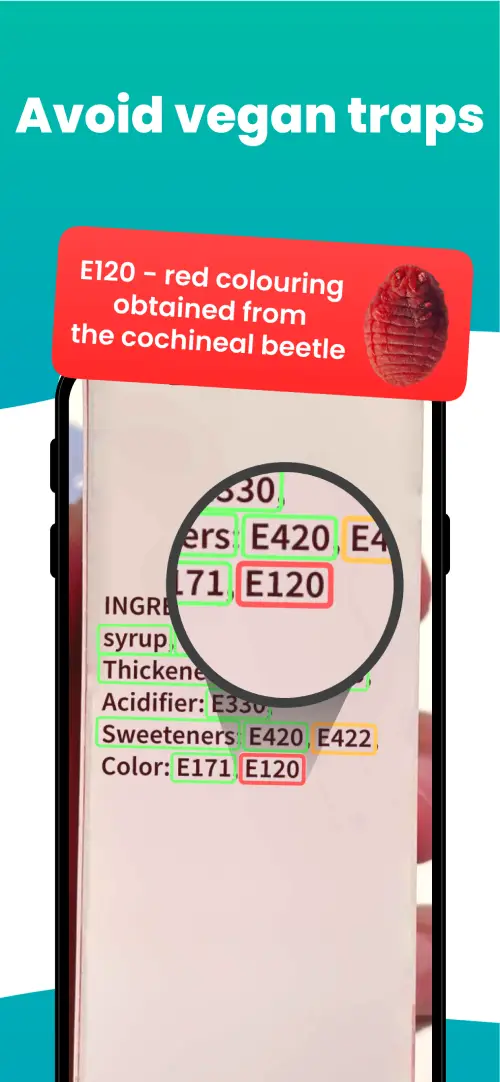
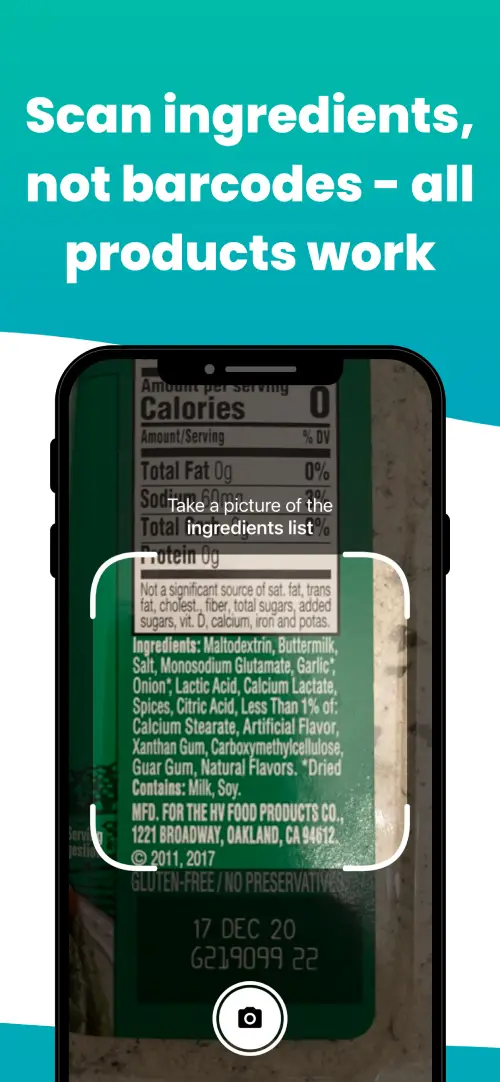
We've built a vegan ingredients scanner that classifies food ingredients as "vegan", "non-vegan", or "potentially vegan".
It allows you to avoid non-vegan ingredients - just take a picture of a product's ingredient list, and the app tells you if the product is vegan or not.



Check out other ingredients:
Is e904 vegan?Is pasteurised heavy cream vegan?Is e542 vegan?Is pasteurized sheep's milk vegan?Is e441 vegan?Is pasteurised sheep's milk vegan?Is crimson lake vegan?Is lean chicken breast vegan?Is raw chicken breast vegan?Is e120 vegan?Is bacon and egg mcmuffin vegan?Is rendered chicken fat vegan?
We'll never send you spam.