
Is egg deviled vegan?
Egg deviled is a non-vegan food ingredient.
Checking out an ingredients list? 👇
"You are amazing, this has saved me so much time when grocery shopping!"
— Austin, a user who reached out with feedback
"It's been a great tool since starting my journey! You take a pic of the nutrition/ingredients, and it'll warn you of anything questionable or not vegan. 😁"
— Ashe, a Vegan For Beginners Facebook Group member
"Use a vegan app when you go shopping, I use WhatsVegan."
— Dóra, a Vegan For Beginners Facebook Group member
So, what is egg deviled?
Deviled Eggs: A Culinary Classic, Defined
The familiar sight of deviled eggs, with their creamy, seasoned yolks mounded back into the whites, evokes a sense of comfort and tradition for many. A staple at picnics, potlucks, and holiday gatherings, this beloved appetizer boasts a rich, savory profile, often enhanced with mustard, mayonnaise, and a sprinkle of paprika. However, for those committed to a vegan lifestyle, the fundamental nature of deviled eggs places them firmly outside the realm of plant-based dining. From an ethical and scientific standpoint, deviled eggs are unequivocally not vegan.
The Inherent Animal Origin: Why Deviled Eggs Are Not Vegan
The primary and most obvious reason deviled eggs are not vegan stems from their core ingredient: the chicken egg. Eggs are the reproductive ovum of hens, directly derived from an animal. This immediately conflicts with the principles of veganism, which seek to avoid all products of animal exploitation and suffering.
The industrial egg production system, which supplies the vast majority of eggs to the market, is rife with ethical concerns. Hens are often confined to barren cages, denied the ability to express natural behaviors such as foraging, dust bathing, or stretching their wings. Furthermore, the industry routinely culls male chicks shortly after hatching, deeming them economically useless as they do not lay eggs and are not suitable for meat production. These male chicks are typically macerated (ground alive) or gassed. Even in "cage-free" or "pasture-raised" systems, which present a slightly improved welfare standard, the fundamental issue of exploiting an animal's reproductive system for human consumption persists, along with the culling of male chicks across the entire industry. For vegans, an egg, regardless of its production method, represents an animal product that is neither "cruelty-free" nor aligned with a philosophy of animal liberation.
Beyond the egg itself, the traditional preparation of deviled eggs often involves mayonnaise, which in its classic form, is an emulsion of oil, vinegar, and — crucially — egg yolks. This creates a double layer of animal-derived ingredients, further cementing its non-vegan status.
Crafting Cruelty-Free Alternatives: The Vegan Path
The good news for those seeking the delightful flavors and textures of deviled eggs without contributing to animal exploitation is the abundance of incredible plant-based alternatives. Food science and culinary innovation have provided sophisticated solutions that replicate the creamy texture and characteristic "eggy" taste.
Mashed firm or silken tofu often forms an excellent base, providing a similar protein structure and absorbency. Chickpeas, when mashed, also offer a wonderful texture that mimics the yolk. Key to achieving the distinctive flavor profile is the strategic use of Kala Namak, or black salt, which imparts a sulfurous, mineral note reminiscent of eggs. Turmeric adds the familiar yellow hue, while Dijon mustard and spices contribute to the classic piquancy. The crucial creamy binder is vegan mayonnaise, readily available and made from plant-based oils and emulsifiers like aquafaba (chickpea brine) or starches, entirely free from animal products. These components combine to create "deviled" dishes that are indistinguishable in experience for many, embodying the true spirit of "cruelty-free" dining.
Embracing Innovation for a Compassionate Plate
While traditional deviled eggs are undeniably not vegan, the culinary landscape has evolved dramatically, offering delicious and ethical substitutes. For consumers, choosing "plant-based alternatives" aligns with a commitment to animal welfare and environmental sustainability. It’s a testament to human ingenuity that we can enjoy familiar flavors without compromising our ethical compass. The transparency of ingredient labels empowers us to make informed choices, ensuring our plates are truly "cruelty-free" and kind to all.
How to quickly find the source of ingredients like egg deviled?
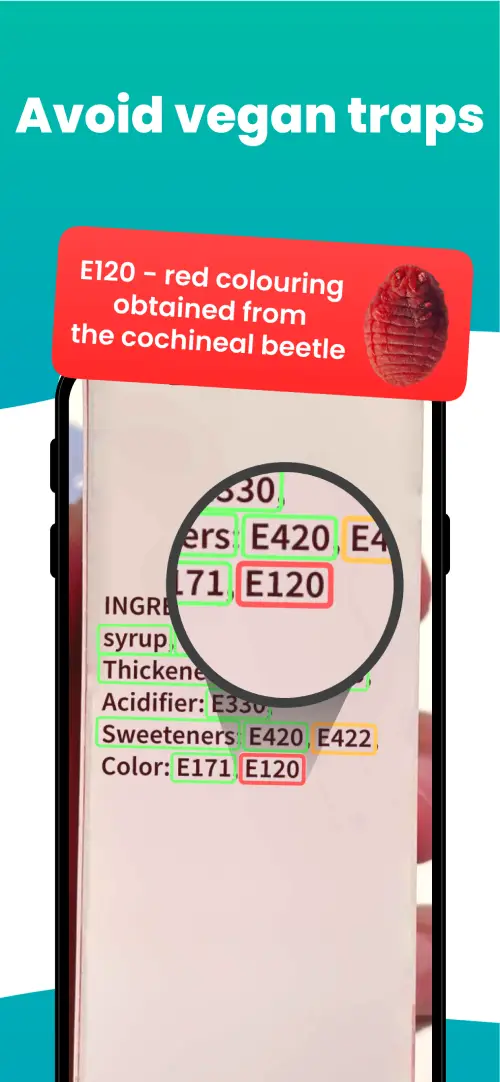
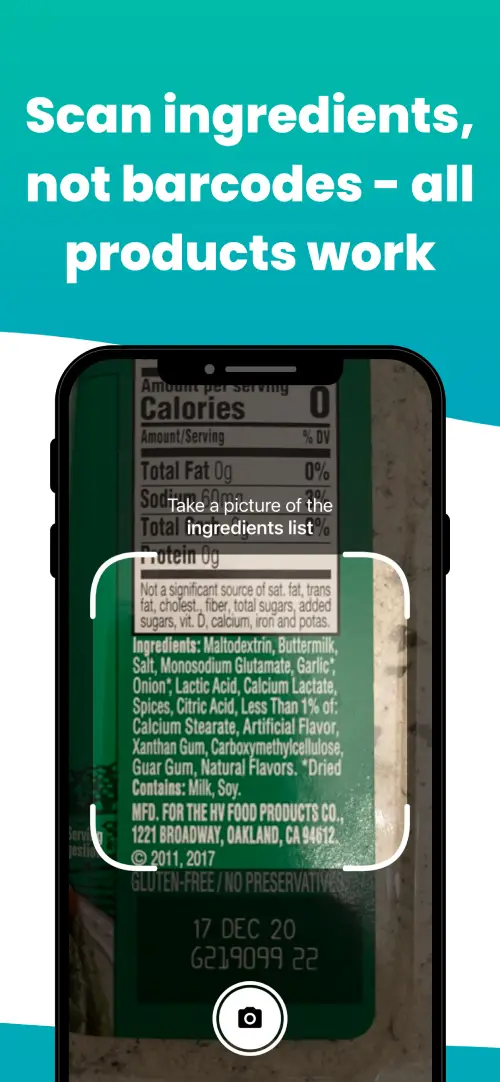
We've built a vegan ingredients scanner that classifies food ingredients as "vegan", "non-vegan", or "potentially vegan".
It allows you to avoid non-vegan ingredients - just take a picture of a product's ingredient list, and the app tells you if the product is vegan or not.



Check out other ingredients:
Is egg curry vegan?Is egg white dried vegan?Is egg vegan?Is goose egg cooked vegan?Is egg yolk dried vegan?Is cod liver oil vegan?Is boiled egg vegan?Is eggnog alcoholic vegan?Is eggnog-flavor mix vegan?Is egg salad vegan?Is duck egg cooked vegan?Is shrimp-egg patty vegan?
We'll never send you spam.