
Is egg salad vegan?
Egg salad is a non-vegan food ingredient.
Checking out an ingredients list? 👇
"You are amazing, this has saved me so much time when grocery shopping!"
— Austin, a user who reached out with feedback
"It's been a great tool since starting my journey! You take a pic of the nutrition/ingredients, and it'll warn you of anything questionable or not vegan. 😁"
— Ashe, a Vegan For Beginners Facebook Group member
"Use a vegan app when you go shopping, I use WhatsVegan."
— Dóra, a Vegan For Beginners Facebook Group member
So, what is egg salad?
Deconstructing Egg Salad: A Vegan Food Scientist's Perspective
Egg salad, a seemingly innocuous item found in delis and lunchboxes, presents a definitive case within the framework of a vegan lifestyle. Its very nomenclature immediately points to its core composition, which is intrinsically linked to animal agriculture and, by extension, the ethical considerations of animal welfare.
The Avian Origin: A Direct Animal Product At its most fundamental, egg salad is overwhelmingly derived from cooked chicken eggs. These eggs are, biologically speaking, the unfertilized ovum of the domestic hen (Gallus gallus domesticus). From a scientific and ethical perspective, consuming eggs—irrespective of marketing terms like "cage-free" or "free-range"—involves the direct use and exploitation of animals. Standard commercial practices for egg production are designed for maximal output, often leading to selective breeding that places immense physiological stress on hens, resulting in shortened lifespans and compromised health. Furthermore, the systematic culling of male chicks, deemed economically unviable, underscores the inherent detachment from any "cruelty-free" ideal within the industry. This is not about a hidden ingredient or a minute trace; it is the animal itself, in the form of its bodily output, as the central component.
Beyond the Shell: Complementary Non-Vegan Components While the hen's egg is the primary concern, traditional egg salad preparations frequently amplify its non-vegan status. Mayonnaise, a common binding and flavoring agent, is typically an emulsion of vegetable oil, vinegar, and crucially, egg yolks. This further embeds animal products into the dish. Even if one were to consider a vegan mayonnaise, the foundational ingredient, the egg, remains an animal secretion. Other additions like mustard or celery are generally plant-based, but their inclusion does not alter the fundamental animal-derived nature of the core component. The issue of "processing aids" is less relevant here as the ingredient itself is directly animal-derived, rather than an ingredient processed with animal-derived aids.
The Vegan Imperative: Ethics, Purity, and Label Transparency For individuals committed to veganism, the decision to avoid egg salad is clear, unambiguous, and non-negotiable. This stance originates from a profound respect for animal sentience and a rejection of systems that commodify living beings. The principle of purity, a cornerstone of vegan ethics, dictates the avoidance of any animal secretions, bodily outputs, or flesh. Eggs definitively fall into this category. There are no "gray areas" or nuanced interpretations of sourcing; the animal origin is direct and undeniable. Therefore, egg salad unequivocally occupies the "Not Vegan" category, standing as a clear example of a food item incompatible with a plant-based diet that values "label transparency" and ethical sourcing above all else.
Embracing Compassionate Plant-Based Alternatives Fortunately, the culinary landscape abounds with ingenious and delicious "plant-based alternatives" that masterfully replicate the texture, creaminess, and savory profile often associated with traditional egg salad, all while adhering to strict "cruelty-free" principles. Common substitutes include finely mashed tofu, expertly seasoned with ingredients like kala namak (black salt) to impart a characteristic sulfuric, "eggy" flavor, or chickpea-based salads that offer a similar hearty and satisfying texture. These innovative alternatives demonstrate how culinary creativity, when paired with ethical considerations, can yield equally delightful—and often more sustainable and healthful—gastronomic experiences without compromising animal welfare. They represent a vibrant commitment to compassionate eating and a future where ethical choices drive food innovation.
Conclusion: In conclusion, egg salad, by its very definition and primary ingredient—the hen's egg—is an undeniable animal product. Its consumption is fundamentally incompatible with a vegan lifestyle due to the direct use of animal secretions and, frequently, other animal-derived components like traditional mayonnaise. A clear understanding of its origins empowers individuals to make informed, ethical choices and to embrace the rich array of plant-based options now readily available.
How to quickly find the source of ingredients like egg salad?
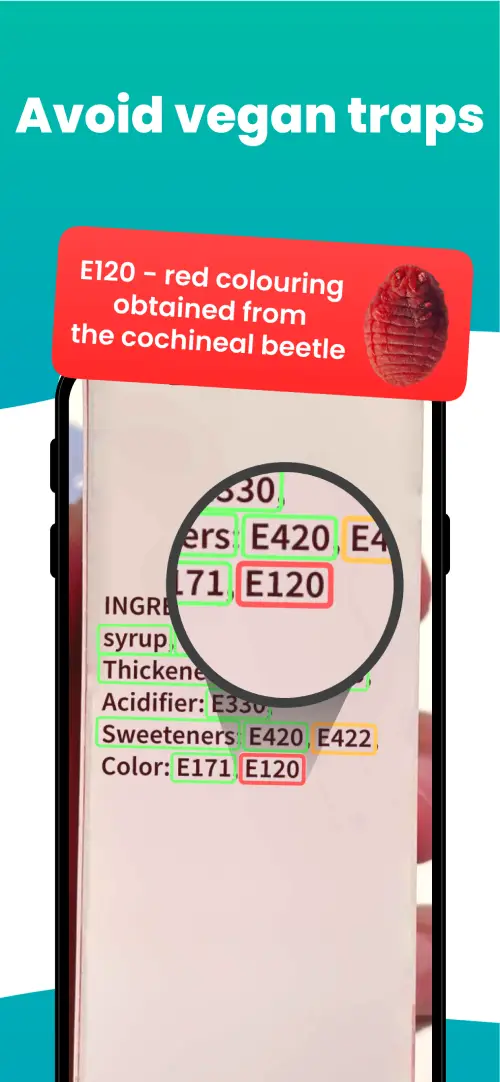
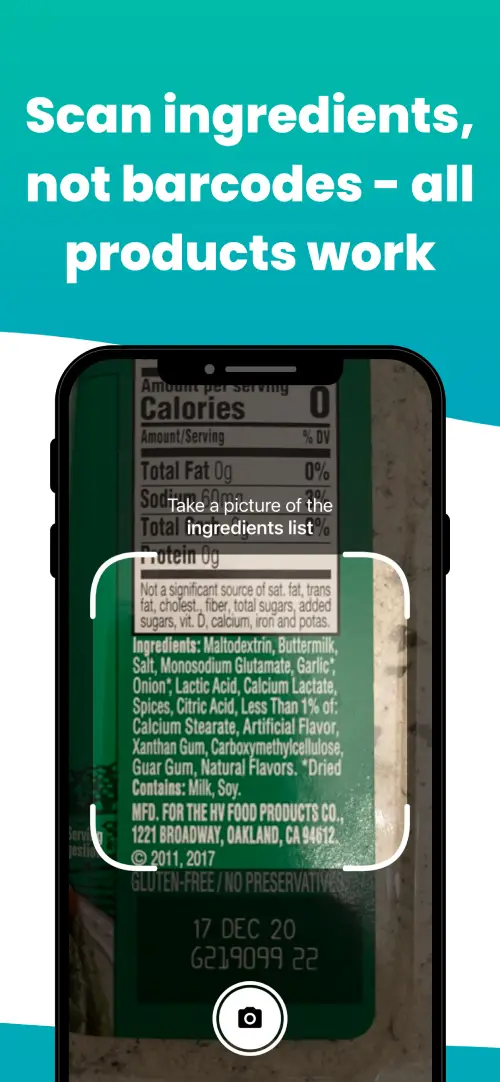
We've built a vegan ingredients scanner that classifies food ingredients as "vegan", "non-vegan", or "potentially vegan".
It allows you to avoid non-vegan ingredients - just take a picture of a product's ingredient list, and the app tells you if the product is vegan or not.



Check out other ingredients:
Is cooked tilapia vegan?Is bass vegan?Is egg yolk dried vegan?Is egg curry vegan?Is beaver vegan?Is beaver cooked vegan?Is egg deviled vegan?Is beluga flipper vegan?Is egg whole pickled vegan?Is beluga oil vegan?Is goose egg cooked vegan?Is artificial turnip flavor vegan?
We'll never send you spam.