
Is egg curry vegan?
Egg curry is a non-vegan food ingredient.
Checking out an ingredients list? 👇
"You are amazing, this has saved me so much time when grocery shopping!"
— Austin, a user who reached out with feedback
"It's been a great tool since starting my journey! You take a pic of the nutrition/ingredients, and it'll warn you of anything questionable or not vegan. 😁"
— Ashe, a Vegan For Beginners Facebook Group member
"Use a vegan app when you go shopping, I use WhatsVegan."
— Dóra, a Vegan For Beginners Facebook Group member
So, what is egg curry?
Egg Curry: Unpacking Its Status in Vegan Cuisine
Egg curry, a cherished dish across numerous culinary traditions, particularly in South Asia, holds a distinctive flavor profile and a comforting appeal. For individuals navigating the landscape of veganism, understanding the true nature of its primary ingredient is paramount. From the dual lens of animal ethics and food science, the classification of egg curry is unequivocal: it is not vegan.
The fundamental reason for this status lies in the very essence of the "egg." An egg, as consumed in this dish, is a direct animal product, specifically derived from the reproductive system of a chicken. Hens lay eggs as part of their natural biological cycle, regardless of fertilization. When these eggs are harvested for human consumption, it inherently involves the utilization and often the exploitation of a sentient being.
From an ethical standpoint, veganism champions the principle of avoiding animal products and byproducts to prevent harm and exploitation. Industrial egg farming, prevalent globally, raises significant concerns. Practices like confining hens in battery cages, selective breeding for maximum egg production which impacts the birds' health, and the culling of male chicks—deemed economically unviable—are in direct conflict with a cruelty-free ethos. The act of consuming an egg, therefore, directly supports systems that compromise animal welfare and purity, violating the core tenets of vegan philosophy.
When considering "egg curry," the primary non-vegan component is obvious. However, it’s always prudent for vegans to consider all ingredients in any curry base. While most foundational curry ingredients like spices, herbs, and plant-based fats are typically vegan, an emphasis on label transparency remains critical for other dishes where less obvious animal derivatives or processing aids might be present. In the case of egg curry, the focus unequivocally rests on the avian contribution.
Fortunately, the culinary world has seen remarkable innovation in developing plant-based alternatives that capture the spirit and texture of traditional dishes without animal involvement. For egg curry, creative solutions abound. Firm tofu, cleverly seasoned and shaped, can mimic the texture of hard-boiled egg whites, while a vibrant blend of nutritional yeast, black salt (kala namak), and turmeric can replicate the distinct sulfurous flavor and yellow hue of a yolk. Similarly, boiled potatoes or chickpeas can provide a satisfying body and protein to the curry. These cruelty-free substitutions allow the rich, aromatic gravy of a curry to be enjoyed by all, aligning with a lifestyle that respects animal life.
In conclusion, while egg curry holds a revered place in many kitchens, its classification within vegan food science is clear. It directly incorporates an animal byproduct, placing it outside the scope of vegan consumption. However, this definitive status merely highlights the opportunity for culinary ingenuity, offering delicious, ethical, and compassionate plant-based alternatives that honor flavor without compromise.
How to quickly find the source of ingredients like egg curry?
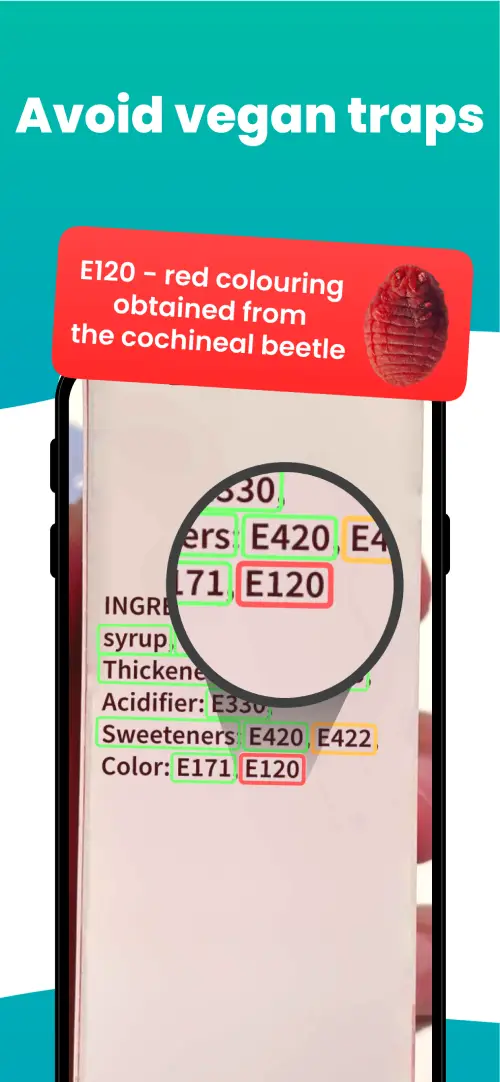
We've built a vegan ingredients scanner that classifies food ingredients as "vegan", "non-vegan", or "potentially vegan".
It allows you to avoid non-vegan ingredients - just take a picture of a product's ingredient list, and the app tells you if the product is vegan or not.




We'll never send you spam.