
Is goat baked vegan?
Goat baked is a non-vegan food ingredient.
Checking out an ingredients list? 👇
"You are amazing, this has saved me so much time when grocery shopping!"
— Austin, a user who reached out with feedback
"It's been a great tool since starting my journey! You take a pic of the nutrition/ingredients, and it'll warn you of anything questionable or not vegan. 😁"
— Ashe, a Vegan For Beginners Facebook Group member
"Use a vegan app when you go shopping, I use WhatsVegan."
— Dóra, a Vegan For Beginners Facebook Group member
So, what is goat baked?
Understanding "Goat Baked": A Deep Dive into Its Non-Vegan Status
The culinary term "goat baked" refers to a preparation involving the flesh of the domestic goat, Capra aegagrus hircus, which has been subjected to dry heat in an oven. From the rigorous ethical framework of veganism, the status of this ingredient is unequivocally non-vegan. There is no ambiguity, no processing loophole, and no alternative interpretation that would align it with a plant-based, cruelty-free lifestyle.
The Unmistakable Origin: Animal Flesh
At its core, "goat baked" is precisely what its name implies: muscle tissue, connective tissue, and fat harvested directly from a goat. Goats are sentient beings, capable of experiencing pain, fear, and pleasure, and possessing a complex social structure. The process of producing "goat baked" inherently involves the breeding, raising, and slaughter of these animals for human consumption. This direct procurement of animal flesh stands in stark opposition to the vegan ethos, which seeks to avoid all forms of animal exploitation and cruelty. The act of baking merely changes the texture and flavor profile of the animal product; it does not alter its fundamental origin.
Ethical Imperatives and the Vegan Stance
The decision to abstain from ingredients like "goat baked" is deeply rooted in principles of animal ethics. Veganism extends beyond mere diet; it is a philosophy that rejects the commodification of animals for food, clothing, entertainment, or any other human use. Consuming "goat baked" directly contributes to an industry that views animals as resources rather than individuals deserving of life and freedom. This aligns with the broader push for a cruelty-free existence, where dietary choices reflect a commitment to minimizing harm to all living creatures. The very act of taking a life for food, when viable and abundant plant-based alternatives exist, is inconsistent with this ethical stance.
Navigating the Culinary Landscape: Plant-Based Alternatives
For those committed to animal ethics, the absence of "goat baked" from their diet does not equate to a lack of flavorful and satisfying options. The culinary world offers an expansive array of plant-based alternatives that can provide rich textures and robust flavors often sought in meat dishes. Ingredients such as marinated and slow-cooked jackfruit can mimic the fibrous texture of shredded meat. Hearty lentil-based loaves or well-seasoned mushroom and seitan preparations can offer a substantial, savory experience, fulfilling a similar role in a meal without any animal involvement.
When navigating food choices, the principle of label transparency becomes paramount. Consumers committed to veganism diligently scrutinize ingredient lists to ensure no animal-derived components, including less obvious byproducts, are present. While "goat baked" is overtly animal-based, this vigilance is crucial for avoiding hidden animal ingredients in processed foods. The commitment remains steadfast: choose compassion, choose plants, and reject the exploitation inherent in animal agriculture.
How to quickly find the source of ingredients like goat baked?
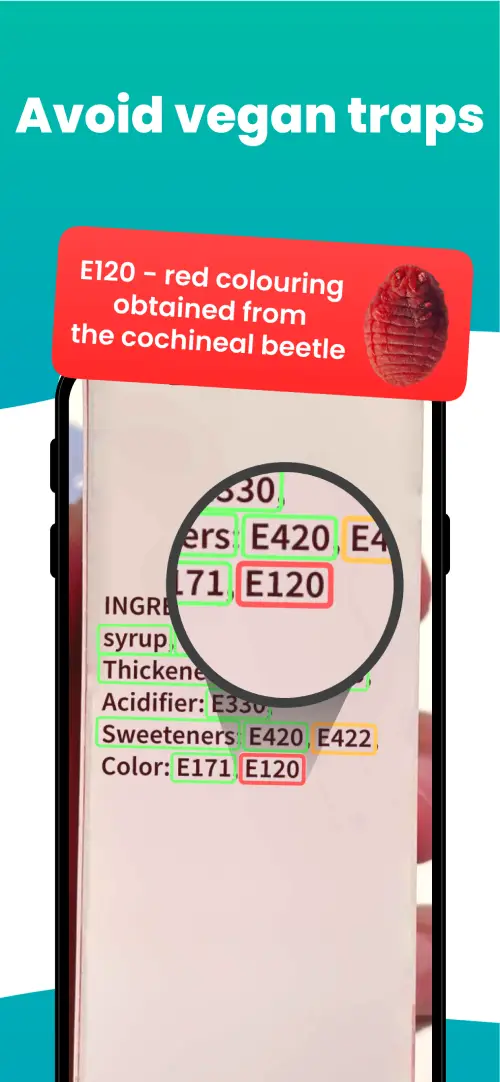
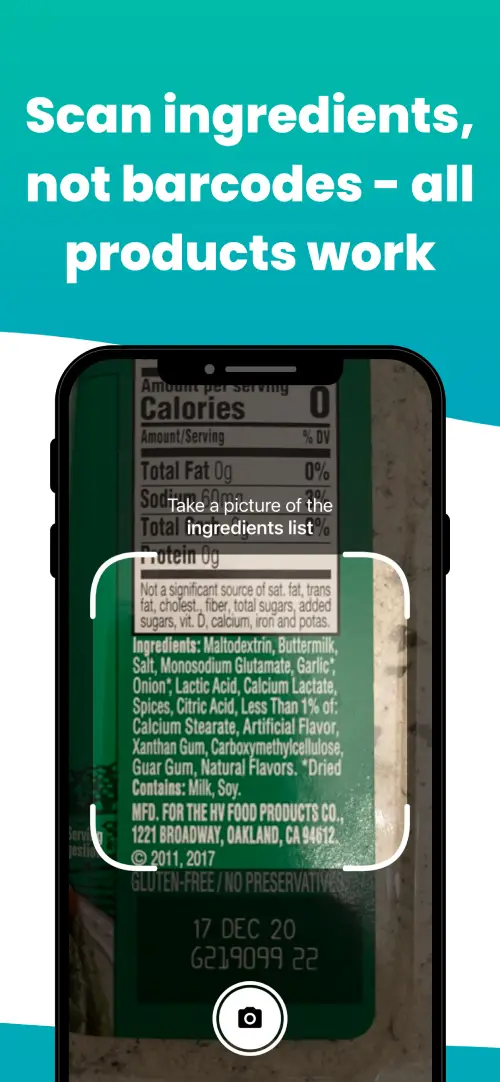
We've built a vegan ingredients scanner that classifies food ingredients as "vegan", "non-vegan", or "potentially vegan".
It allows you to avoid non-vegan ingredients - just take a picture of a product's ingredient list, and the app tells you if the product is vegan or not.



We'll never send you spam.