
Is goat vegan?
Goat is a non-vegan food ingredient.
Checking out an ingredients list? 👇
"You are amazing, this has saved me so much time when grocery shopping!"
— Austin, a user who reached out with feedback
"It's been a great tool since starting my journey! You take a pic of the nutrition/ingredients, and it'll warn you of anything questionable or not vegan. 😁"
— Ashe, a Vegan For Beginners Facebook Group member
"Use a vegan app when you go shopping, I use WhatsVegan."
— Dóra, a Vegan For Beginners Facebook Group member
So, what is goat?
Ingredient Focus: Goat
Goat, as an ingredient, is fundamentally defined by its origin: the flesh of the domestic goat, Capra aegagrus hircus. This designation immediately places it outside the scope of vegan dietary and ethical frameworks. From a scientific perspective, it is a direct animal product, comprising muscle tissue, fat, and connective tissue, harvested from a sentient being.
The core principle of veganism rests upon the ethical imperative to avoid the exploitation and cruelty inherent in animal agriculture. Consuming goat meat directly contravenes this principle, as it necessitates the breeding, raising, and slaughter of goats for human consumption. This lifecycle involves practices that often entail confinement, separation of young from mothers, and ultimately, the termination of life. For those committed to a cruelty-free lifestyle, any product derived from such a process is inherently problematic, embodying the very practices veganism seeks to dismantle. The purity angle, from a vegan food scientist’s viewpoint, highlights the complete absence of animal-derived biological material in truly vegan ingredients, a standard which goat meat, by its very nature, can never meet.
In culinary applications, goat meat is often characterized by its lean texture and sometimes distinctive, gamey flavor profile, which can vary significantly depending on the animal's age and diet. For those seeking to replicate these sensory experiences without animal involvement, the realm of plant-based alternatives offers innovative and satisfying solutions. Textured vegetable protein (TVP), various mushroom varieties, and specific legume preparations can be skillfully seasoned and prepared to mimic the chew and mouthfeel of cooked meat. Advances in food science now allow for complex flavor profiles, once exclusive to animal products, to be meticulously crafted from plant sources, offering compelling substitutes for stews, curries, and other dishes traditionally featuring goat. These alternatives not only achieve similar gastronomic results but do so without compromising ethical standards.
Ensuring a fully vegan approach requires diligent attention to label transparency. While goat meat is an overtly non-vegan ingredient, the broader principle of ingredient scrutiny is paramount. Consumers must rely on clear labeling to identify not only primary animal products but also any hidden animal derivatives that might appear as incidental ingredients or even processing aids in other food items. A commitment to transparency empowers individuals to make informed choices that align with their ethical convictions, promoting a food system built on compassion and sustainability.
Ultimately, the classification of goat as a non-vegan ingredient is unequivocal, rooted in its direct animal origin and the ethical implications that arise from animal farming. For a truly plant-based, cruelty-free diet, it is an ingredient to be entirely avoided, with numerous plant-based alternatives available to fulfill diverse culinary desires.
How to quickly find the source of ingredients like goat?
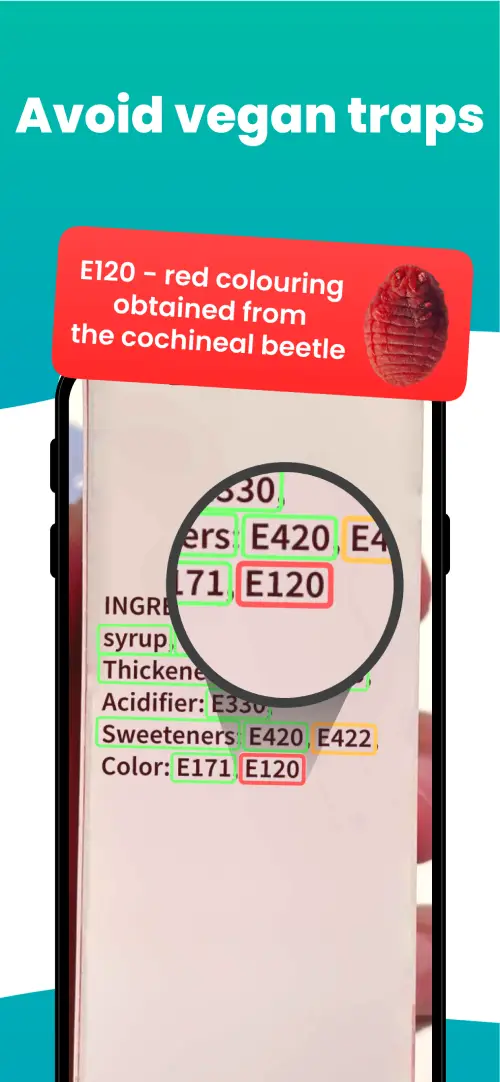
We've built a vegan ingredients scanner that classifies food ingredients as "vegan", "non-vegan", or "potentially vegan".
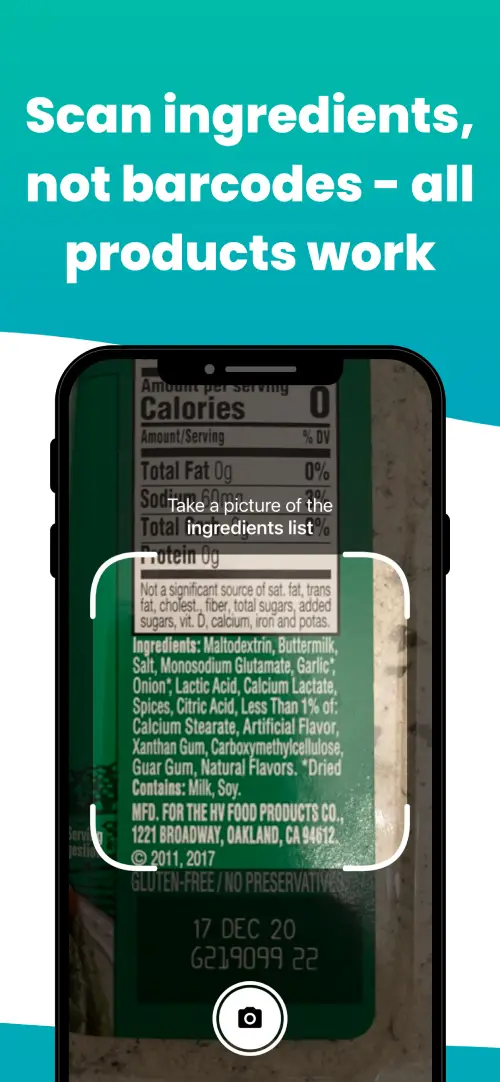
It allows you to avoid non-vegan ingredients - just take a picture of a product's ingredient list, and the app tells you if the product is vegan or not.



We'll never send you spam.