
Is kopi luwak vegan?
Kopi luwak is a non-vegan food ingredient.
Checking out an ingredients list? 👇
"You are amazing, this has saved me so much time when grocery shopping!"
— Austin, a user who reached out with feedback
"It's been a great tool since starting my journey! You take a pic of the nutrition/ingredients, and it'll warn you of anything questionable or not vegan. 😁"
— Ashe, a Vegan For Beginners Facebook Group member
"Use a vegan app when you go shopping, I use WhatsVegan."
— Dóra, a Vegan For Beginners Facebook Group member
So, what is kopi luwak?
Kopi Luwak: An Examination of Its Non-Vegan Status
Kopi Luwak occupies a unique, albeit controversial, niche in the world of specialty coffee. Often touted for its distinct flavor profile and rarity, its allure quickly dissipates under the scrutiny of animal ethics and scientific understanding. For anyone committed to a vegan lifestyle, understanding the origin of Kopi Luwak is paramount, and its status is unequivocally clear: it is not vegan.
The defining characteristic of Kopi Luwak lies in its processing. The coffee beans are not simply harvested from a plant; they are collected from the feces of the Asian palm civet (Paradoxurus hermaphroditus). This small, cat-like mammal consumes ripe coffee cherries, digests the fruit pulp, and then excretes the intact beans. During their passage through the civet’s digestive tract, the beans undergo a unique fermentation process. Enzymes within the civet's stomach are believed to break down certain proteins responsible for bitterness, altering the bean's flavor characteristics and producing a smoother, less acidic brew upon roasting.
From a vegan perspective, the involvement of an animal in this process makes Kopi Luwak fundamentally non-vegan. Veganism, at its core, seeks to exclude all forms of animal exploitation and cruelty, and products derived from animals or their byproducts. Here, the very essence of the coffee's famed flavor directly results from an animal's biological function—its digestive system. Even if one were to consider the excreted beans "waste," the underlying mechanism of production relies entirely on animal input and interaction, rendering it incompatible with vegan principles.
Beyond the direct animal byproduct, the industry surrounding Kopi Luwak is rife with severe ethical concerns that further solidify its non-vegan status. While "wild-sourced" Kopi Luwak exists, the vast majority available on the market comes from civets kept in captivity. These animals are often confined to small, unsanitary cages, force-fed coffee cherries, and subjected to immense stress and poor nutrition. This industrial-scale production transforms a natural digestive process into a system of intense animal exploitation, directly contravening any notion of "cruelty-free" consumption. The suffering inflicted upon these civets is well-documented, making the product objectionable on both an animal-product and an animal-welfare basis.
For those seeking unique and high-quality coffee experiences that align with compassionate choices, numerous ethical and plant-based alternatives exist. Specialty coffee roasters worldwide offer exceptional, single-origin coffees with complex flavor profiles that are cultivated and processed entirely through plant-based methods. These offerings demonstrate that exquisite taste can be achieved without compromising animal welfare or ethical integrity.
Consumers committed to plant-based living must practice diligence. The premium price and exotic claims associated with Kopi Luwak necessitate a critical eye towards label transparency. While direct animal products like milk or honey are often clearly listed, less obvious animal-derived ingredients or processing aids can sometimes slip through. However, for Kopi Luwak, its origin is its defining characteristic, making it unequivocally identifiable as non-vegan and unacceptable for an ethical, cruelty-free diet. Opting for certified organic, fair-trade, or transparently sourced coffee ensures that your cup is free from animal exploitation and aligns with a truly plant-based ethos.
How to quickly find the source of ingredients like kopi luwak?
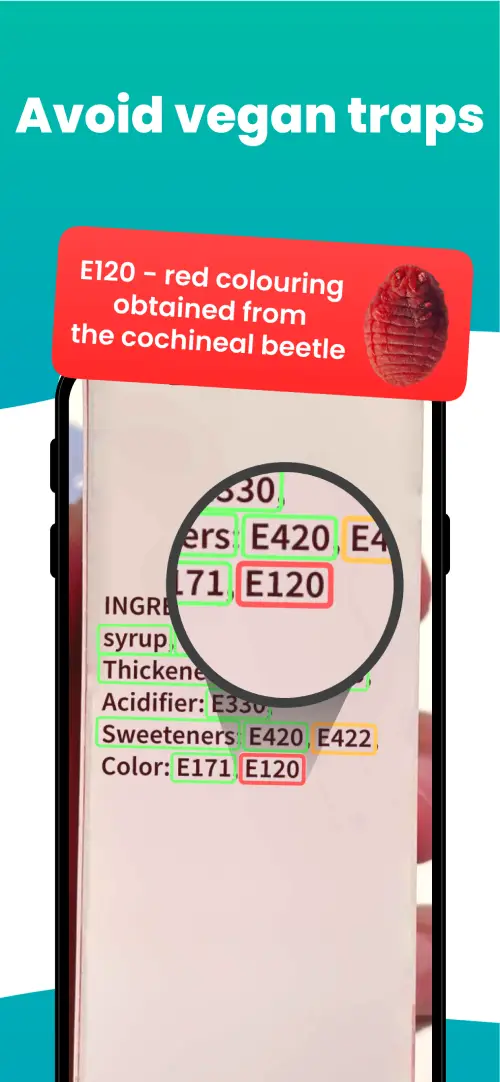
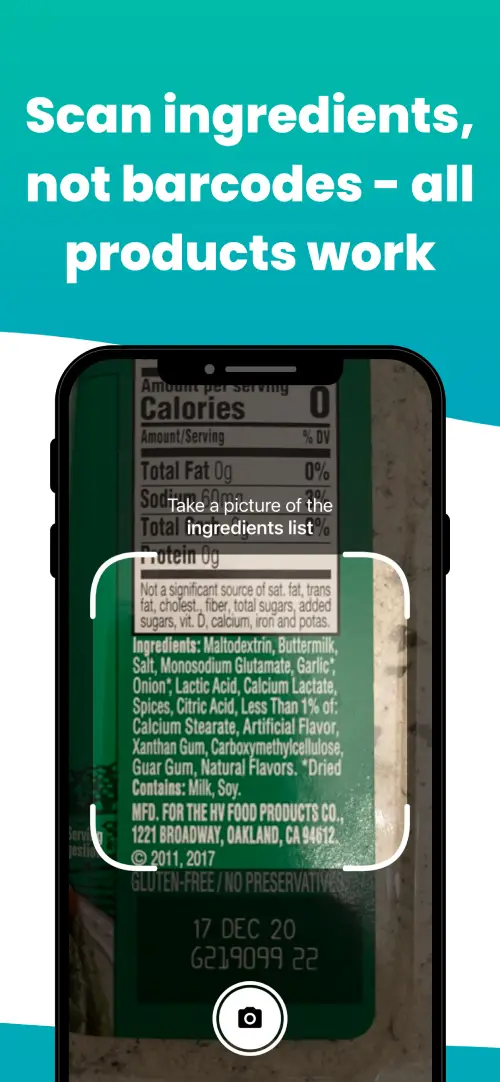
We've built a vegan ingredients scanner that classifies food ingredients as "vegan", "non-vegan", or "potentially vegan".
It allows you to avoid non-vegan ingredients - just take a picture of a product's ingredient list, and the app tells you if the product is vegan or not.



Check out other ingredients:
Is weasel coffee vegan?Is oleostearin vegan?Is oleostearine vegan?Is civet vegan?Is batyl isostearate vegan?Is shark vegan?Is rib eye roast vegan?Are grilled chicken strips vegan?Is shark-liver oil vegan?Is chicken grave mix vegan?Is contient lécithines de soja vegan?Is dried yellow corn vegan?
We'll never send you spam.