
Is shark-liver oil vegan?
Shark-liver oil is a non-vegan food ingredient.
Checking out an ingredients list? 👇
"You are amazing, this has saved me so much time when grocery shopping!"
— Austin, a user who reached out with feedback
"It's been a great tool since starting my journey! You take a pic of the nutrition/ingredients, and it'll warn you of anything questionable or not vegan. 😁"
— Ashe, a Vegan For Beginners Facebook Group member
"Use a vegan app when you go shopping, I use WhatsVegan."
— Dóra, a Vegan For Beginners Facebook Group member
So, what is shark-liver oil?
Shark-liver oil, a substance derived directly from the liver of various shark species, holds a long history in certain traditional medicines and more recently, in the cosmetic and supplement industries. It is particularly valued for its high concentration of squalene, a natural organic compound. This rich, viscous oil is extracted post-harvesting of sharks, making its status unequivocally Not Vegan.
From an animal ethics standpoint, the sourcing of shark-liver oil presents a significant conflict. It necessitates the direct harm and killing of sentient beings for human consumption or application. This runs contrary to the fundamental principles of veganism, which seek to exclude all forms of exploitation and cruelty to animals. The process involves fishing sharks, often in deep-sea environments, specifically for their livers, which are then rendered to extract the oil. This practice not only raises profound ethical concerns regarding animal welfare but also contributes to the alarming decline of shark populations globally, many of which are already endangered or vulnerable.
Squalene itself is a naturally occurring triterpene hydrocarbon, a key component in human sebum and cell membranes, lauded for its emollient, antioxidant, and hydrating properties. In its original form from sharks, it is typically refined into squalane, a more stable, saturated version, for use in moisturizers, serums, and nutritional supplements. While the benefits of squalane for skin health and internal use are well-documented, the ethical and environmental costs associated with its shark-derived form are profound and increasingly unacceptable to conscious consumers.
Fortunately, the market has seen a robust emergence of ethical, plant-based alternatives to shark-liver oil. Scientists and innovators have successfully isolated and produced squalane from entirely vegan sources. Notable examples include squalane derived from olives, which yields a product chemically identical to its animal counterpart and boasts a similarly luxurious, non-greasy texture. Other sustainable sources include sugarcane, amaranth, and rice bran, all offering cruelty-free options that deliver the same desired benefits without contributing to animal suffering or ecological degradation.
For consumers committed to a cruelty-free lifestyle, label transparency becomes paramount. When reviewing ingredient lists for cosmetics or supplements, look for specific declarations such as "vegan squalane," "olive squalane," or "squalane from sugarcane." A generic "squalane" listing without further qualification often suggests an animal origin, necessitating direct inquiry with the manufacturer. The absence of clear sourcing information should be a red flag for anyone prioritizing animal welfare and plant-based purity.
Choosing plant-derived squalane is not merely an ethical decision; it's also a move towards more sustainable practices. It avoids the significant environmental impact of deep-sea shark fishing, supporting biodiversity and marine ecosystem health. Ultimately, the availability of high-quality, effective vegan alternatives means there is no ethical imperative or practical justification for the continued use of shark-liver oil in modern products.
How to quickly find the source of ingredients like shark-liver oil?
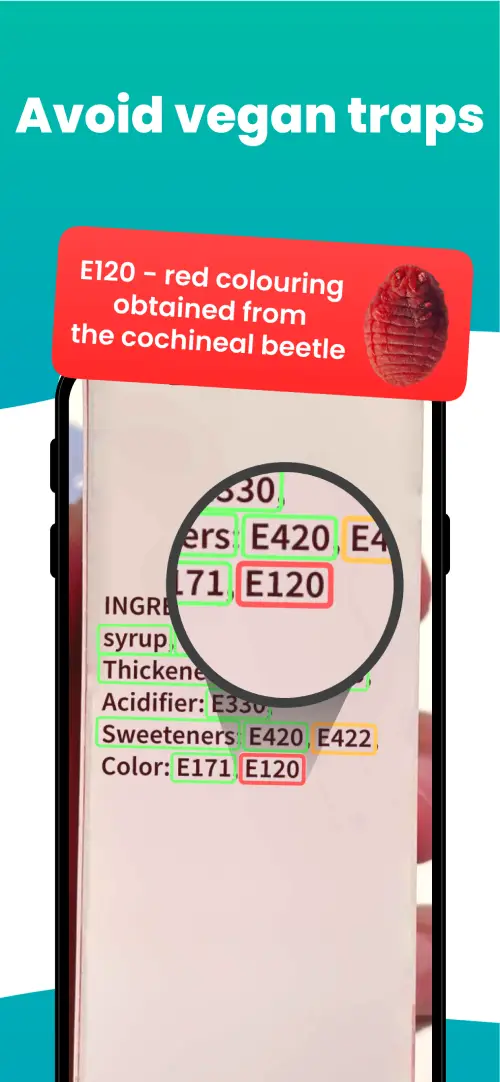
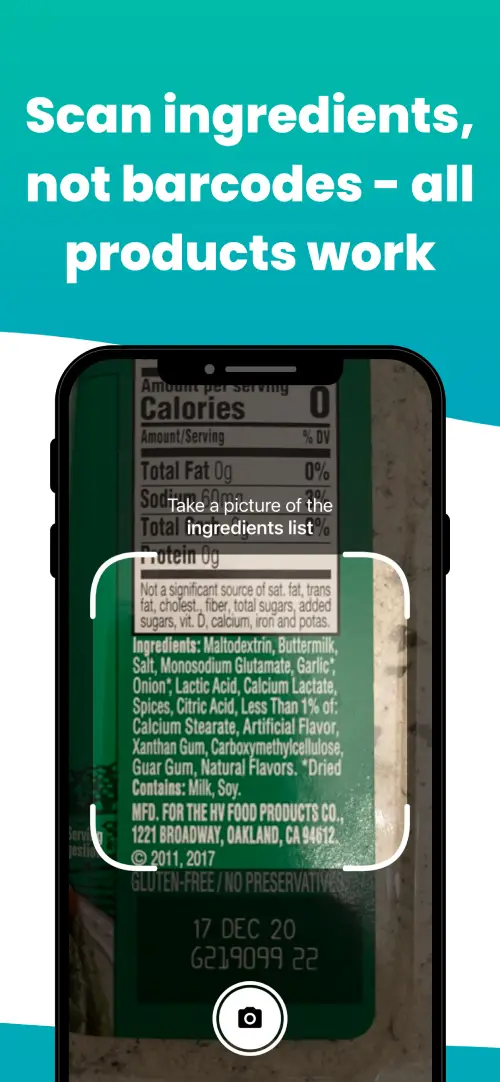
We've built a vegan ingredients scanner that classifies food ingredients as "vegan", "non-vegan", or "potentially vegan".
It allows you to avoid non-vegan ingredients - just take a picture of a product's ingredient list, and the app tells you if the product is vegan or not.



We'll never send you spam.