
Is leuconostoc/radish root ferment filtrate vegan?
Leuconostoc/radish root ferment filtrate is a vegan food ingredient.
Checking out an ingredients list? 👇
"You are amazing, this has saved me so much time when grocery shopping!"
— Austin, a user who reached out with feedback
"It's been a great tool since starting my journey! You take a pic of the nutrition/ingredients, and it'll warn you of anything questionable or not vegan. 😁"
— Ashe, a Vegan For Beginners Facebook Group member
"Use a vegan app when you go shopping, I use WhatsVegan."
— Dóra, a Vegan For Beginners Facebook Group member
So, what is leuconostoc/radish root ferment filtrate?
In the intricate world of ingredients, understanding the precise origin and processing of compounds like leuconostoc/radish root ferment filtrate is paramount for those committed to a vegan lifestyle. This unique ingredient, frequently found in personal care products and some novel food applications, holds a clear and comforting status for the ethically minded: it is unequivocally vegan.
At its core, leuconostoc/radish root ferment filtrate is a byproduct of microbial fermentation. It begins with Leuconostoc kimchii, a lactic acid bacterium renowned for its role in fermenting kimchi, a traditional Korean dish. This beneficial microorganism is cultured in a nutrient-rich medium primarily derived from radish root (Raphanus sativus). During this carefully controlled fermentation process, the Leuconostoc bacteria metabolize the sugars and nutrients present in the radish root, transforming them into a complex filtrate. This filtrate contains a spectrum of beneficial compounds, including antimicrobial peptides, organic acids, and various phytonutrients, which contribute to its efficacy as a natural preservative and a skin-conditioning agent.
From an animal ethics perspective, the "why" behind its vegan status is straightforward and robust. Both primary components—the Leuconostoc bacteria and the radish root—are plant-derived or microbial in origin. There are no animal-derived starter cultures, substrates, or processing aids involved at any stage of its production. This meticulous sourcing and development ensure that the ingredient is entirely free from animal products, byproducts, or animal exploitation. It stands as a testament to the power of microbial biotechnology to create effective, pure, and ethically sound alternatives for various industries.
For the vegan consumer seeking true label transparency, this ingredient offers peace of mind. It inherently bypasses the "gray area" concerns sometimes associated with other compounds, such as potential cross-contamination with animal products during manufacturing, or the use of bone char in sugar processing often seen with less clearly defined ingredients. Leuconostoc/radish root ferment filtrate is a prime example of a naturally occurring, plant-based alternative that aligns seamlessly with cruelty-free principles, not just in its final form but throughout its entire lifecycle. Its development typically involves no animal testing, further solidifying its ethical credentials.
This fermented filtrate not only serves as an excellent, naturally derived preservative, reducing the reliance on synthetic compounds which may have unknown or indirect animal links, but also offers soothing and hydrating benefits in cosmetic formulations. Its texture is a clear, light liquid, often with a subtle, earthy aroma reflecting its botanical origins. Manufacturers who embrace this ingredient are making a clear statement about their commitment to providing genuine plant-based alternatives, fostering a supply chain built on purity and ethical sourcing. For discerning vegans, leuconostoc/radish root ferment filtrate represents an ingredient that is not just acceptable, but truly exemplary, embodying the core values of animal welfare and environmental stewardship.
How to quickly find the source of ingredients like leuconostoc/radish root ferment filtrate?
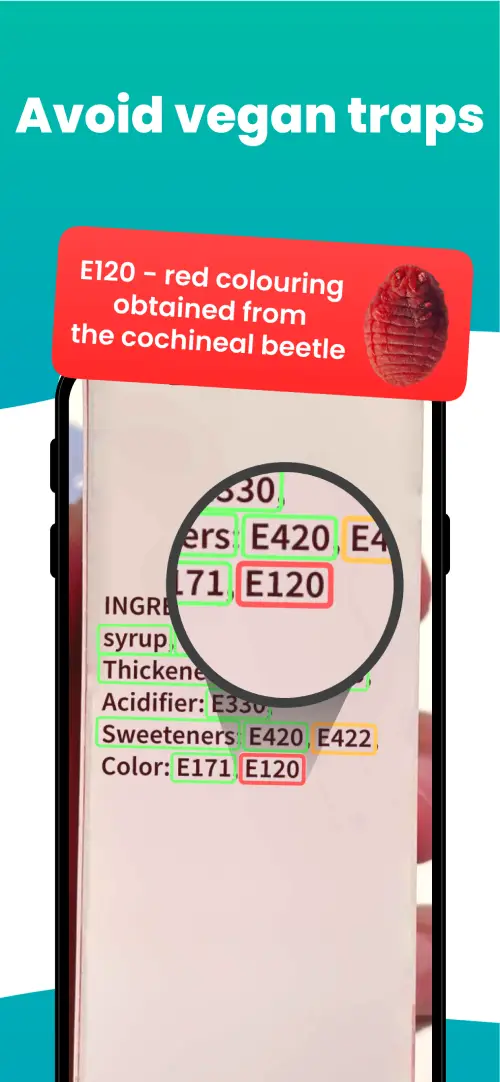
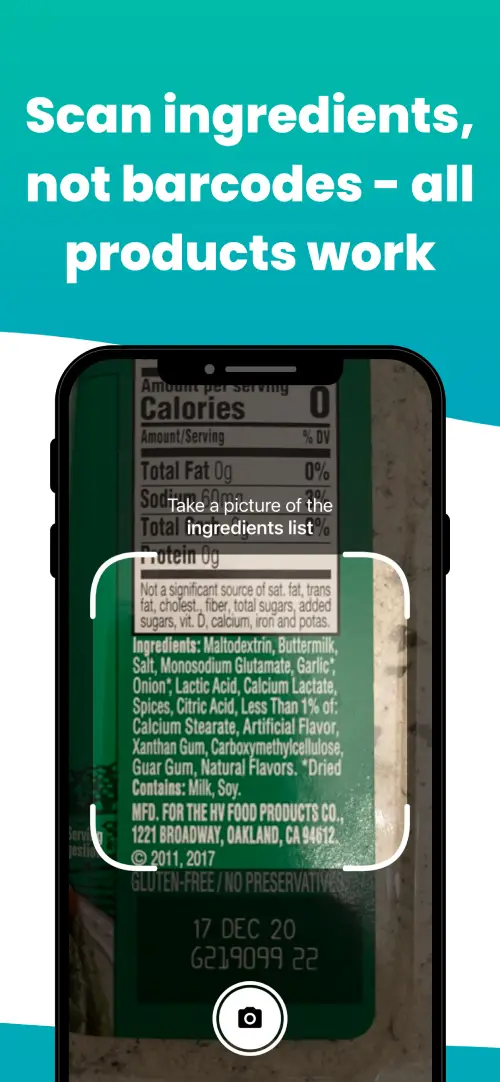
We've built a vegan ingredients scanner that classifies food ingredients as "vegan", "non-vegan", or "potentially vegan".
It allows you to avoid non-vegan ingredients - just take a picture of a product's ingredient list, and the app tells you if the product is vegan or not.



Check out other ingredients:
Is jasminum officinale (jasmine) flower extract vegan?Are jojoba esters vegan?Are citrus aurantium dulcis vegan?Is sclerotium gum vegan?Is naturally milled sugar vegan?Is sr-hydrozoan polypeptide-1 vegan?Are soybean ingredients vegan?Is blueberry vegan?Are arôme naturel de citron avec autre arômes naturels vegan?Is west indian gherkin vegan?Is перець чорний vegan?Is a base de lait vegan?
We'll never send you spam.