
Are soybean ingredients vegan?
Soybean ingredients is a vegan food ingredient.
Checking out an ingredients list? 👇
"You are amazing, this has saved me so much time when grocery shopping!"
— Austin, a user who reached out with feedback
"It's been a great tool since starting my journey! You take a pic of the nutrition/ingredients, and it'll warn you of anything questionable or not vegan. 😁"
— Ashe, a Vegan For Beginners Facebook Group member
"Use a vegan app when you go shopping, I use WhatsVegan."
— Dóra, a Vegan For Beginners Facebook Group member
So, what is soybean ingredients?
Soybean-derived components stand as a foundational pillar within plant-based culinary practices and ethical food systems. Sourced directly from the legume Glycine max, these ingredients embody an inherent vegan status, making them unequivocally cruelty-free and a cornerstone for consumers committed to animal ethics. Their widespread adoption in the vegan landscape is a testament to their versatility, nutritional density, and functional properties, providing direct, compassionate alternatives to animal-derived products across numerous food categories.
The plant-based origin of soybeans ensures that all primary derivatives—from whole beans to highly refined isolates—are free from animal byproducts. This commitment to purity begins at the agricultural level, where soybeans are cultivated as a crop, offering an ethical supply chain that bypasses the complexities and ethical concerns associated with animal agriculture. As such, any product explicitly stating "soybean" or a "soy-derived" ingredient can be confidently identified as vegan.
Exploring the spectrum of soybean ingredients reveals their indispensable role. Tofu, for instance, formed from coagulated soy milk, provides a firm, versatile protein source capable of absorbing diverse flavors and replicating textures ranging from tender scrambles to hearty steaks. Similarly, tempeh, an Indonesian fermented soybean cake, offers a denser, nuttier profile, celebrated for its robust texture and probiotic benefits. Both exemplify cruelty-free alternatives that directly replace animal proteins in countless dishes.
Soy milk serves as a direct, widely accessible plant-based alternative to dairy milk, used in everything from beverages to baking. Its derivatives, like soy yogurt and soy-based cheeses, further expand options for those eschewing dairy. For functional applications, soy protein isolate and soy protein concentrate are refined forms, widely incorporated into plant-based meat analogues, protein powders, and nutritional supplements. These highly purified proteins provide essential amino acids and excellent textural properties without any animal input, making them ideal for high-performance vegan nutrition.
Even more nuanced ingredients like soy lecithin maintain this ethical stance. While lecithin, in general, can sometimes be derived from eggs, soy lecithin is specifically extracted from soybean oil. It functions as a vital emulsifier in many processed foods, ensuring stability and texture without resorting to animal-derived sources. Similarly, soybean oil itself is a purely plant-based cooking oil, extracted from the beans and offering a neutral flavor profile suitable for a vast array of culinary uses.
The "why" behind their vegan status is simple yet profound: their production does not involve the exploitation, harm, or byproduct of any animal. This aligns perfectly with the foundational principles of animal ethics, promoting a food system built on compassion and sustainability. For individuals prioritizing label transparency and seeking genuine plant-based alternatives, soybean ingredients consistently deliver on these ethical commitments.
While the soybean ingredient itself is inherently vegan, a diligent approach to label transparency remains prudent when consuming complex, multi-ingredient products. This ensures that other components within a processed food, beyond the soy, also adhere to vegan standards regarding their origin and any processing aids used. However, the soybean contribution itself will invariably uphold its cruelty-free promise, empowering consumers to make informed, ethical choices and solidifying its position as a cornerstone of modern vegan diets.
How to quickly find the source of ingredients like soybean ingredients?
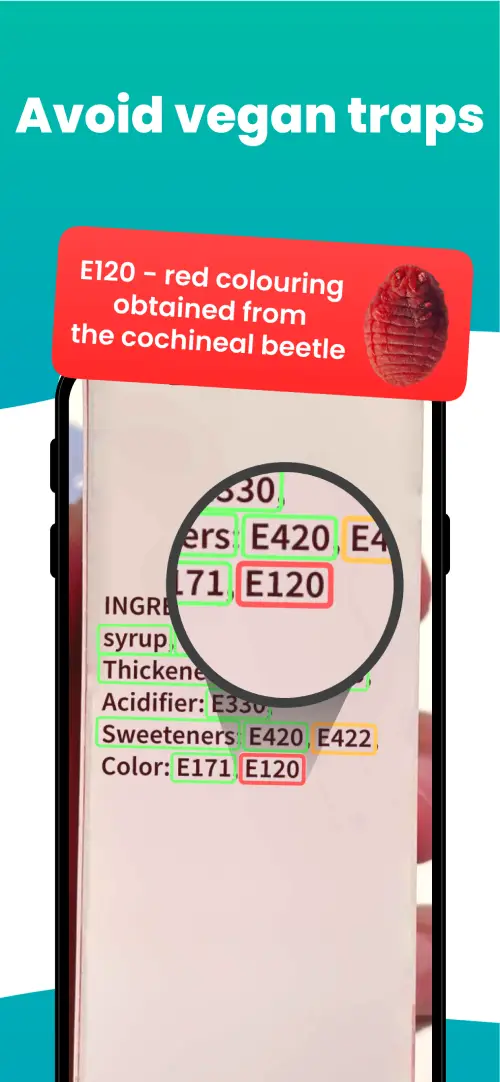
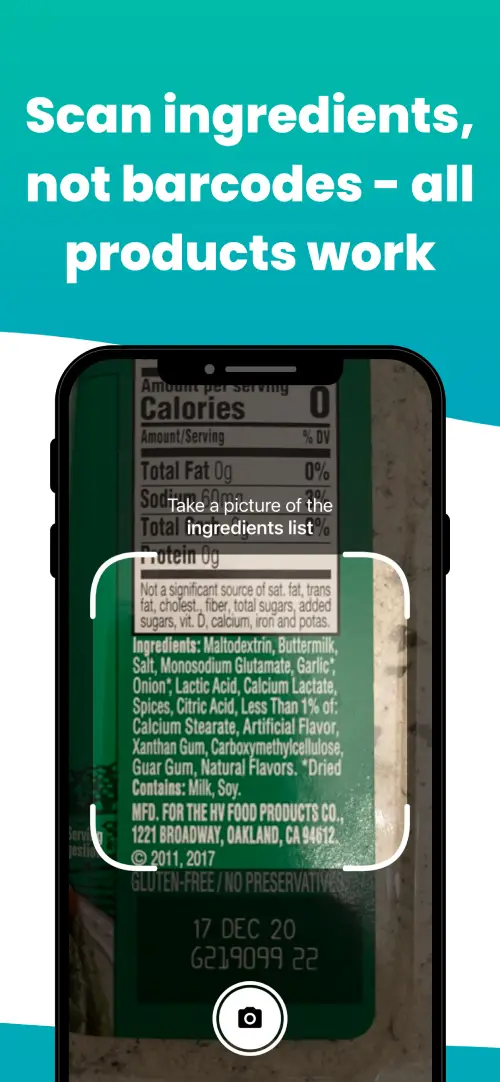
We've built a vegan ingredients scanner that classifies food ingredients as "vegan", "non-vegan", or "potentially vegan".
It allows you to avoid non-vegan ingredients - just take a picture of a product's ingredient list, and the app tells you if the product is vegan or not.



Check out other ingredients:
Is sweet soy sauce vegan?Is kombu seaweed vegan?Is sr-hydrozoan polypeptide-1 vegan?Are triticale flakes vegan?Is ahnfeltiopsis concinna vegan?Are thick flake oats vegan?Is whole grain and seed mix vegan?Is hot chili vegan?Is leuconostoc vegan?Is leuconostoc/radish root ferment filtrate vegan?Are non-animal enzymes vegan?Are pumpkin flakes vegan?
We'll never send you spam.