
Is naturally milled sugar vegan?
Naturally milled sugar is a vegan food ingredient.
Checking out an ingredients list? 👇
"You are amazing, this has saved me so much time when grocery shopping!"
— Austin, a user who reached out with feedback
"It's been a great tool since starting my journey! You take a pic of the nutrition/ingredients, and it'll warn you of anything questionable or not vegan. 😁"
— Ashe, a Vegan For Beginners Facebook Group member
"Use a vegan app when you go shopping, I use WhatsVegan."
— Dóra, a Vegan For Beginners Facebook Group member
So, what is naturally milled sugar?
Understanding Naturally Milled Sugar: A Vegan Perspective
For those committed to compassionate food choices, understanding the origins and processing of every ingredient is paramount. Naturally milled sugar often emerges as a reassuring option, distinct in its journey from plant to pantry. Unlike conventional granulated sugars, which frequently raise ethical concerns, naturally milled sugar typically offers a straightforward, cruelty-free path.
At its core, naturally milled sugar refers to a less refined sweetener derived directly from sugarcane or sugar beets. The "milled" aspect describes the initial mechanical process of extracting juice from these plants. What follows is a simpler processing chain compared to highly refined white sugars. This usually involves clarification, evaporation of water, and crystallization. The resulting sugar retains more of its inherent molasses, giving it an appealing amber hue and a subtly complex flavor profile, often described as caramel-like. This minimal intervention is crucial for its vegan status.
The primary concern for vegans regarding sugar lies with bone char, a charcoal made from the bones of cattle, which is traditionally used as a decolorizing and filtering agent in the production of some white sugars. This process removes impurities and achieves the pristine white appearance many consumers expect. However, naturally milled sugars typically bypass this step entirely. Their inherent color and flavor are celebrated rather than stripped away, meaning animal-derived processing aids like bone char are not employed. This makes naturally milled sugar an inherently vegan product, directly sourced from plants without relying on animal byproducts at any stage of its refinement.
For conscientious consumers, naturally milled sugar stands out as a reliable plant-based alternative. Its journey from harvest to packaging prioritizes purity and minimal transformation, aligning perfectly with ethical food choices. When labels specify "naturally milled," "unrefined," or "evaporated cane juice," these are strong indicators of a product that has not undergone bone char filtration. This offers transparency and peace of mind, allowing vegans to confidently incorporate it into their baking, beverages, and culinary creations.
Its fine granular texture makes it versatile for a wide range of applications, from sweetening coffee to enriching baked goods. Choosing naturally milled sugar reflects an informed decision, affirming a commitment to ingredients free from animal exploitation. It underscores the importance of scrutinizing processing aids and advocating for label transparency across the food industry, ensuring that our choices are truly cruelty-free and aligned with a compassionate lifestyle.
How to quickly find the source of ingredients like naturally milled sugar?
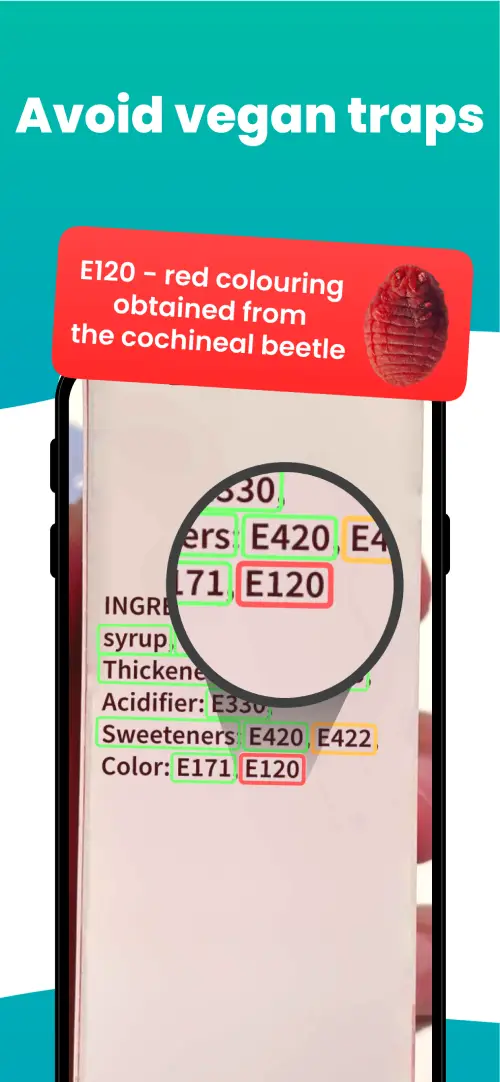
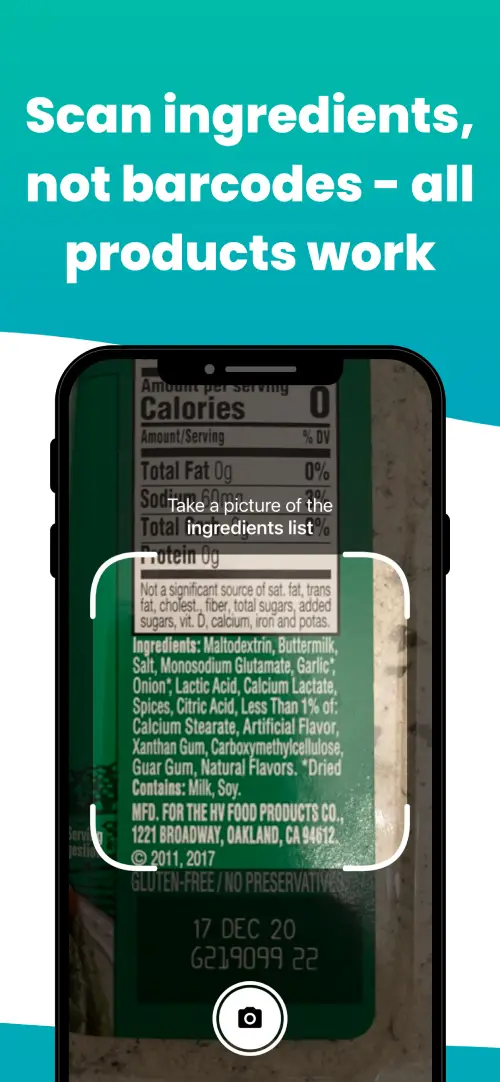
We've built a vegan ingredients scanner that classifies food ingredients as "vegan", "non-vegan", or "potentially vegan".
It allows you to avoid non-vegan ingredients - just take a picture of a product's ingredient list, and the app tells you if the product is vegan or not.



Check out other ingredients:
Is sclerotium rolfsii vegan?Is sclerotium gum vegan?Is chicle vegan?Is caprylyl/capryl glucoside vegan?Is arnica montana flower extract vegan?Is enriched cake flour vegan?Is leuconostoc/radish root ferment filtrate vegan?Is sweet white rice flour vegan?Is leuconostoc vegan?Is citrus aurantium dulcis (orange) flower extract vegan?Are citrus aurantium dulcis vegan?Is unbleached wheat flour vegan?
We'll never send you spam.