
Is magnesium tallowate vegan?
Magnesium tallowate is a non-vegan food ingredient.
Checking out an ingredients list? 👇
"You are amazing, this has saved me so much time when grocery shopping!"
— Austin, a user who reached out with feedback
"It's been a great tool since starting my journey! You take a pic of the nutrition/ingredients, and it'll warn you of anything questionable or not vegan. 😁"
— Ashe, a Vegan For Beginners Facebook Group member
"Use a vegan app when you go shopping, I use WhatsVegan."
— Dóra, a Vegan For Beginners Facebook Group member
So, what is magnesium tallowate?
Magnesium tallowate is an ingredient that, while not widely recognized by its full name outside of specific industries, plays a role in various products from cosmetics to industrial applications. Its name alone offers a significant clue to its origin for those familiar with ingredient nomenclature, particularly within the realm of ethical consumption.
The Composition and Its Animal Origin
At its core, magnesium tallowate is a magnesium salt of fatty acids derived from tallow. Tallow itself is rendered animal fat, almost exclusively sourced from cattle or sheep. This fat, once extracted and purified, is then saponified, or reacted, with a magnesium compound to create magnesium tallowate. The resulting substance is typically a fine, waxy powder or flake, valued for its thickening, emulsifying, and lubricating properties in formulations.
The fundamental issue for vegans lies precisely in the "tallow" component. Tallow is a direct byproduct of the animal agriculture industry. Its production necessitates the slaughter of animals, a practice that stands in direct opposition to the core tenets of veganism: the avoidance of all animal products and byproducts for reasons of animal ethics, environmental impact, and personal purity. There is no such thing as "plant-based tallow," as the term inherently denotes an animal fat.
Ethical Implications for Conscious Consumers
For individuals committed to a vegan lifestyle, magnesium tallowate is unequivocally not an acceptable ingredient. Its inclusion in a product signifies a direct contribution to and reliance on the animal farming system. This extends beyond merely dietary choices; ethical veganism encompasses all aspects of life, including personal care, household goods, and other manufactured items. The suffering inherent in the commercial rearing and slaughter of animals for meat and byproducts like tallow is the primary reason for its exclusion.
Furthermore, the concept of "purity" in veganism means seeking ingredients that have no connection, however indirect, to animal exploitation. Magnesium tallowate fails this test immediately because its very molecular structure is built upon animal-derived lipids. It cannot be considered cruelty-free from a vegan perspective, as the entire process begins with an animal's life.
Navigating Labels and Exploring Plant-Based Alternatives
Given its animal origin, it's crucial for vegans to exercise diligence in reading ingredient lists. Magnesium tallowate is generally listed clearly, though sometimes only "tallow" or "magnesium stearate" (which can be plant-derived, but often isn't, requiring further inquiry) might appear, necessitating a cautious approach. The principle of label transparency is paramount here; manufacturers committed to catering to vegan consumers will typically clearly state "vegan" or use solely plant-derived alternatives.
Thankfully, the market offers a robust array of plant-based alternatives that can fulfill similar functional roles. For thickening and emulsifying, ingredients like plant-derived waxes (carnauba wax, candelilla wax), plant-based fatty acids (such as those from coconut or palm, though palm oil has its own ethical considerations regarding deforestation), and various starches or gums are excellent substitutes. When seeking products that align with vegan values, always look for certifications or clear "100% Vegan" statements, as these provide assurance against hidden animal-derived components, including any potential "processing aids" that might slip under the radar. The goal is to make informed choices that truly reflect a commitment to a life free from animal exploitation.
How to quickly find the source of ingredients like magnesium tallowate?
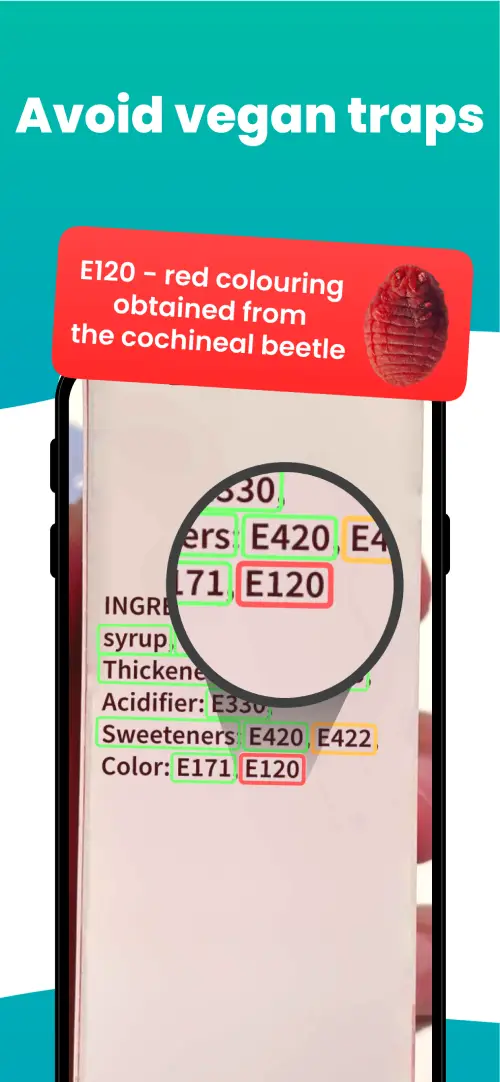
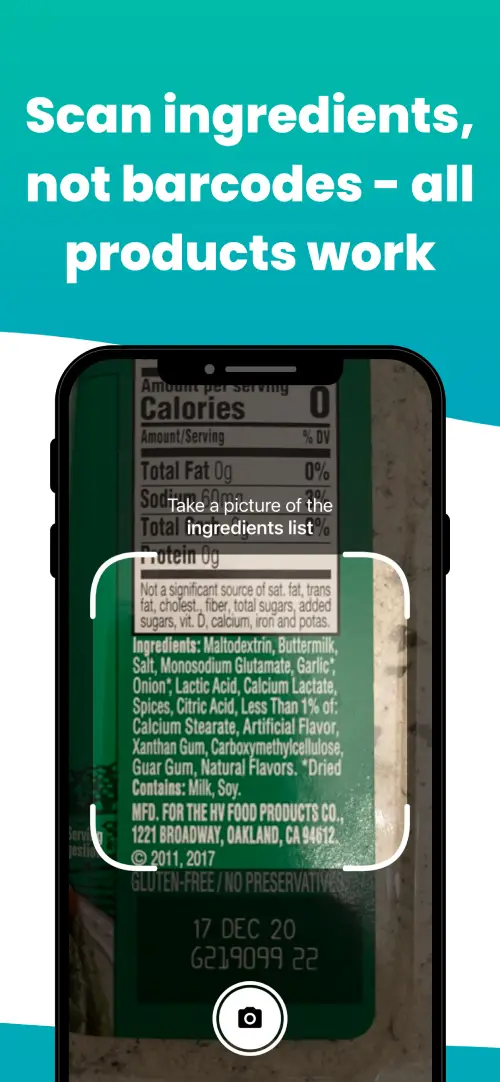
We've built a vegan ingredients scanner that classifies food ingredients as "vegan", "non-vegan", or "potentially vegan".
It allows you to avoid non-vegan ingredients - just take a picture of a product's ingredient list, and the app tells you if the product is vegan or not.



Check out other ingredients:
Is magnesium lanolate vegan?Is tallow aminopropylamine vegan?Is uric acid vegan?Is pearl essence vegan?Is guanine pearl essence vegan?Is organic confectioner's glaze vegan?Is guanine vegan?Is confectioners' glaze vegan?Is triacetine vegan?Is confectioner's sugar vegan?Is oestrogen vegan?Is confectioners sugar vegan?
We'll never send you spam.