Is magnesium vegan?
Magnesium is potentially vegan - it can be derived from plants or animals. You should ask the manufacturer for more details.
Checking out an ingredients list? 👇
Vegan Ingredient Checker
Scan labels, check if ingredients are vegan
"You are amazing, this has saved me so much time when grocery shopping!"
— Austin, a user who reached out with feedback
"It's been a great tool since starting my journey! You take a pic of the nutrition/ingredients, and it'll warn you of anything questionable or not vegan. 😁"
— Ashe, a Vegan For Beginners Facebook Group member
"Use a vegan app when you go shopping, I use WhatsVegan."
— Dóra, a Vegan For Beginners Facebook Group member


Learn more
"You are amazing, this has saved me so much time when grocery shopping!"
— Austin, a user who reached out with feedback
"It's been a great tool since starting my journey! You take a pic of the nutrition/ingredients, and it'll warn you of anything questionable or not vegan. 😁"
— Ashe, a Vegan For Beginners Facebook Group member
"Use a vegan app when you go shopping, I use WhatsVegan."
— Dóra, a Vegan For Beginners Facebook Group member
So, what is magnesium?
Magnesium is an essential dietary mineral that appears on ingredient panels as an added nutrient, fortificant, or component of mineral salts. On food and supplement labels, the simple term magnesium typically refers to a compound such as magnesium oxide, magnesium citrate, or an amino acid chelate rather than elemental metal. It is commonly found in fortified breakfast cereals, plant milks, meal replacement shakes, energy bars, and dietary supplement tablets or powders.
The mineral itself is mined from geological deposits or extracted from seawater and brine. However, when listed on an ingredient panel, magnesium often exists as a bound compound or incorporates processing aids derived from other materials. For instance, mineral chelates or magnesium stearate can be synthesized using fatty acids or amino acids derived from either plant oils, such as palm, or rendered animal fats, such as tallow. Because labels rarely disclose whether these accompanying substances come from plant or animal origin, magnesium is classified as possibly vegan. Checking for a certified vegan logo on the packaging or contacting the manufacturer directly is required to confirm whether the ingredient is animal-free.
How to quickly find the source of ingredients like magnesium?
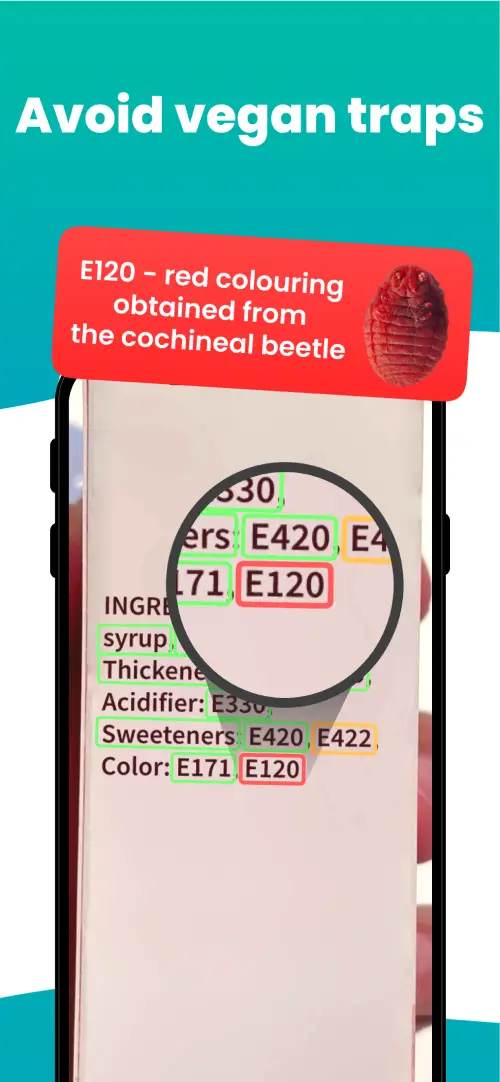
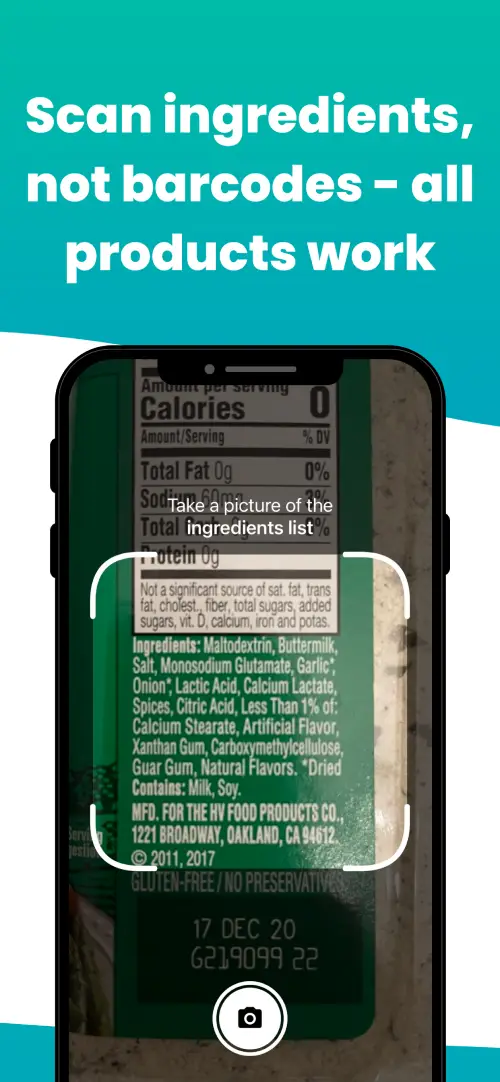
We've built a vegan ingredients scanner that classifies food ingredients as "vegan", "non-vegan", or "potentially vegan".
It allows you to avoid non-vegan ingredients - just take a picture of a product's ingredient list, and the app tells you if the product is vegan or not.

We'll never send you spam.