
Is maple flavoring vegan?
Maple flavoring is a vegan food ingredient.
Checking out an ingredients list? 👇
"You are amazing, this has saved me so much time when grocery shopping!"
— Austin, a user who reached out with feedback
"It's been a great tool since starting my journey! You take a pic of the nutrition/ingredients, and it'll warn you of anything questionable or not vegan. 😁"
— Ashe, a Vegan For Beginners Facebook Group member
"Use a vegan app when you go shopping, I use WhatsVegan."
— Dóra, a Vegan For Beginners Facebook Group member
So, what is maple flavoring?
Maple flavoring, a cornerstone in countless sweet and savory applications, offers a distinct aroma and taste profile highly cherished in the culinary landscape. From pancakes and baked goods to glazes and beverages, its presence evokes warmth and comfort. For those navigating a plant-based lifestyle, understanding the provenance and composition of such ingredients is paramount, ensuring alignment with animal ethics and purity standards.
Vegan Status: Vegan
Maple flavoring, whether derived naturally or created through synthetic means, is robustly vegan. Its origins and typical production methods preclude the use of any animal products or byproducts, making it a reliable and inherently cruelty-free ingredient for conscientious consumers.
The Vegan Angle: Upholding Plant-Based Purity
The foundation of maple flavoring's vegan status lies in its botanical source and the chemical synthesis often employed for its artificial counterparts. Natural maple flavoring is directly extracted or concentrated from the sap of maple trees—a process entirely devoid of animal involvement. This direct plant source makes it an exemplary ingredient, embodying the very essence of plant-based alternatives.
When it comes to artificial maple flavoring, the key aromatic compounds that define the signature taste, such as sotolon, are synthesized from non-animal precursors. The careful engineering of these flavor molecules ensures they replicate the authentic taste without needing any animal-derived starting materials or processing aids. Manufacturers specializing in flavor compounds are generally meticulous in ensuring their synthetic offerings, especially common profiles like maple, remain suitable for a broad range of dietary preferences, including strict vegan diets. This commitment to non-animal sourcing for both natural and artificial variations means consumers can embrace maple flavoring without ethical compromise.
Ingredient Composition and Purity in Practice
Natural maple flavoring is essentially concentrated maple syrup, obtained by boiling down the sap of various maple species, most commonly sugar maple. This syrup is then often further processed into extracts or powdered forms, retaining its rich, caramel-like notes. The inherent purity of this process aligns perfectly with vegan principles, offering a direct, unadulterated taste of the forest.
Artificial maple flavoring, conversely, is formulated using a blend of aroma chemicals to mimic the complex profile of real maple. These chemicals are typically synthesized from plant-derived or entirely synthetic sources. Common carriers for these flavor compounds, such as propylene glycol or ethyl alcohol, are also routinely sourced from plant-based materials or are synthetically produced without animal inputs. While it's always prudent to champion label transparency, particularly for complex compounded ingredients, the vast majority of maple flavorings on the market are free from animal-derived emulsifiers, stabilizers, or processing aids. Unlike some colors or obscure flavor enhancers that might occasionally present "gray area" issues concerning bone char processing or insect-derived sources, maple flavoring generally operates within a clear and verifiable plant-based paradigm.
Maple flavoring stands as a testament to how traditional tastes can be enjoyed ethically and sustainably. Its foundational purity, whether from tree or laboratory, positions it as an unwavering ally in the pursuit of delicious, animal-free cuisine, solidifying its role as a consistently vegan choice in the culinary world.
How to quickly find the source of ingredients like maple flavoring?
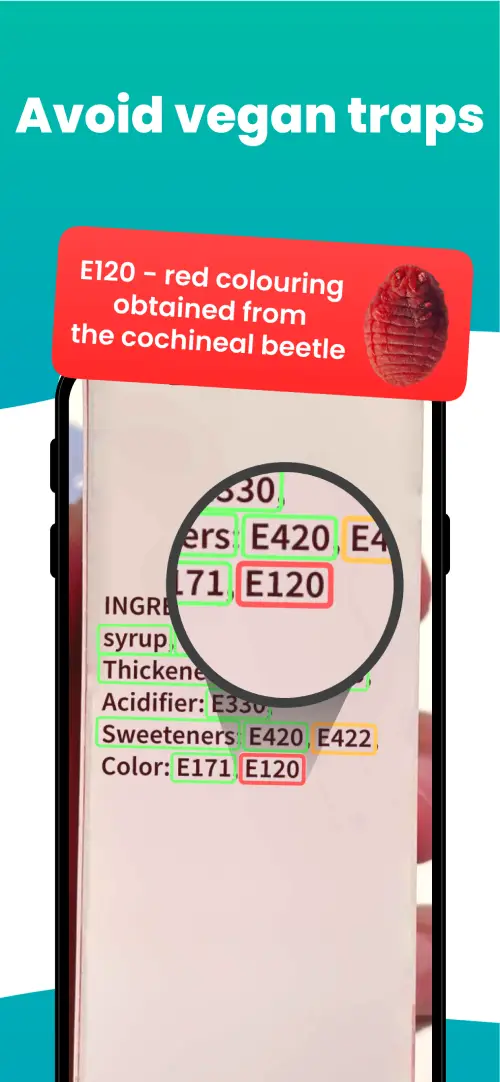
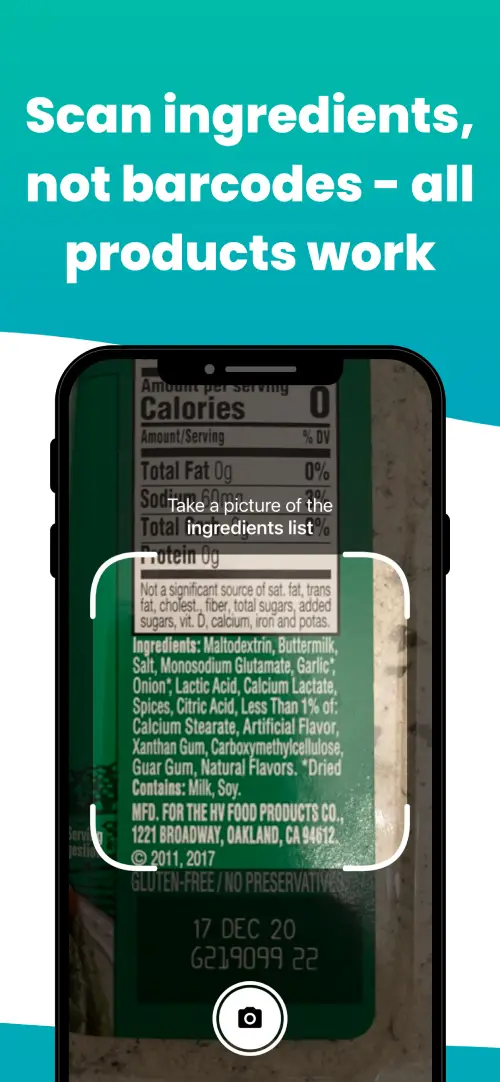
We've built a vegan ingredients scanner that classifies food ingredients as "vegan", "non-vegan", or "potentially vegan".
It allows you to avoid non-vegan ingredients - just take a picture of a product's ingredient list, and the app tells you if the product is vegan or not.



Check out other ingredients:
Is maple flavouring vegan?Is red jalapeño vegan?Is lactic acid 90% vegan?Is rebaudioside m vegan?Is glycolic acid vegan?Is rebaudioside a vegan?Is reb a vegan?Is salicylic acid powder vegan?Is behenyl vegan?Is polyquaternium-44 vegan?Is methylpropanediol vegan?Is sea kale vegan?
We'll never send you spam.