
Is maple flavouring vegan?
Maple flavouring is a vegan food ingredient.
Checking out an ingredients list? 👇
"You are amazing, this has saved me so much time when grocery shopping!"
— Austin, a user who reached out with feedback
"It's been a great tool since starting my journey! You take a pic of the nutrition/ingredients, and it'll warn you of anything questionable or not vegan. 😁"
— Ashe, a Vegan For Beginners Facebook Group member
"Use a vegan app when you go shopping, I use WhatsVegan."
— Dóra, a Vegan For Beginners Facebook Group member
So, what is maple flavouring?
Maple flavouring, with its distinctive caramelized sweetness and subtle woody undertones, evokes a sense of natural comfort and warmth. For those committed to a vegan lifestyle, understanding the provenance and composition of such an essential taste is paramount, extending beyond mere preference to encompass deeply held ethical principles.
The Purity of Maple: Unambiguously Vegan
The very essence of maple flavouring is rooted in the plant kingdom, making it inherently vegan. Authentic maple flavour originates from the sap of maple trees, primarily the sugar maple (Acer saccharum). This sap, a purely botanical fluid, is concentrated through boiling to produce maple syrup, from which the flavour compounds are derived or mimicked.
When we consider "maple flavouring" beyond pure syrup, we typically refer to either natural extracts or artificial compounds designed to replicate this unique profile. Natural maple flavourings are usually concentrates or extracts of true maple products, or blends of plant-derived essences that collectively recreate the flavour. Artificial maple flavourings, on the other hand, are synthesized chemical compounds that replicate the key aroma molecules found in natural maple. Crucially, whether natural or artificial, the foundational components are overwhelmingly plant-based or synthetically produced without the involvement of animal inputs or byproducts. This makes maple flavouring a reliably cruelty-free choice, aligning perfectly with plant-based alternatives in culinary applications.
Ethical Sourcing and Consumer Confidence
For vegans, the "why" behind an ingredient's status is critical. Maple flavouring stands as a testament to obtaining rich, complex tastes without compromising animal ethics. There are no animal secretions, tissues, or byproducts involved in the flavour profile itself. The process of tapping maple trees is a sustainable practice that does not harm the tree, further reinforcing its ethical integrity.
While vigilant vegans rightly scrutinize ingredients for potential "gray areas" like processing aids (e.g., bone char in some sugar refining, animal-derived clarifiers in other products), this concern is generally absent for maple flavouring. The primary flavour molecules, such as sotolon, furanones, and lactones, are either naturally occurring in the sap and refined directly, or synthetically produced from plant-derived precursors or basic chemical elements. Any carriers or solvents used are almost universally plant-based (like propylene glycol or alcohol) or inert. Therefore, when encountering "maple flavouring" on a label, consumers can be confident in its vegan status, though label transparency is always appreciated for a complete picture.
The Science of Sweet Complexity
From a food science perspective, the compounds responsible for maple's signature taste are well-understood. Sotolon, a potent furanone, is a key player, contributing notes of fenugreek and brown sugar. Other furanones, pyrazines, and lactones further contribute to the flavour's depth and complexity. These compounds are either naturally concentrated during the syrup production process or precisely synthesized in a laboratory. The synthesis routes for these flavour molecules do not involve animal-derived starting materials or reagents. This scientific foundation unequivocally supports maple flavouring as a plant-based ingredient, regardless of whether it's an extract or a created flavour system.
In essence, maple flavouring offers a cherished taste that fully embraces the principles of veganism, providing a robust, plant-derived option for a wide array of culinary creations.
How to quickly find the source of ingredients like maple flavouring?
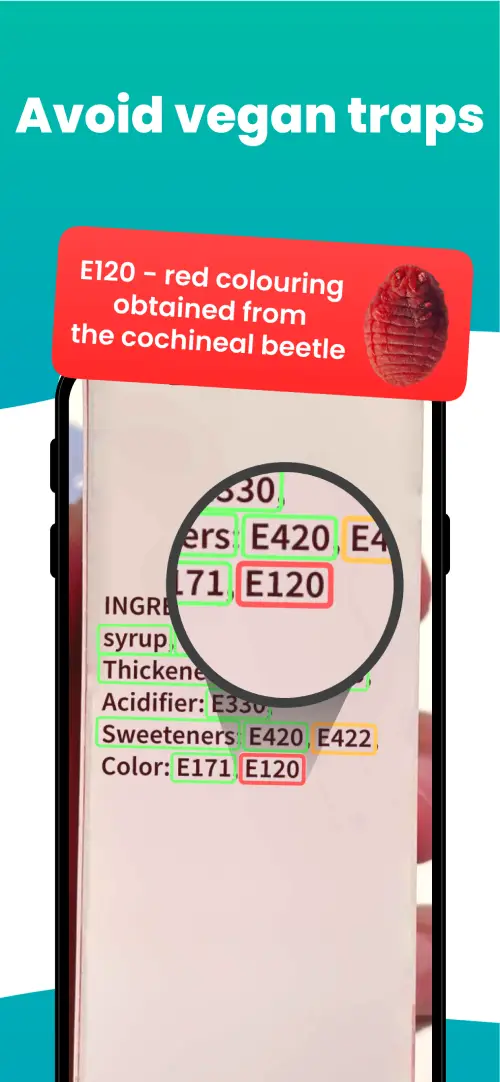
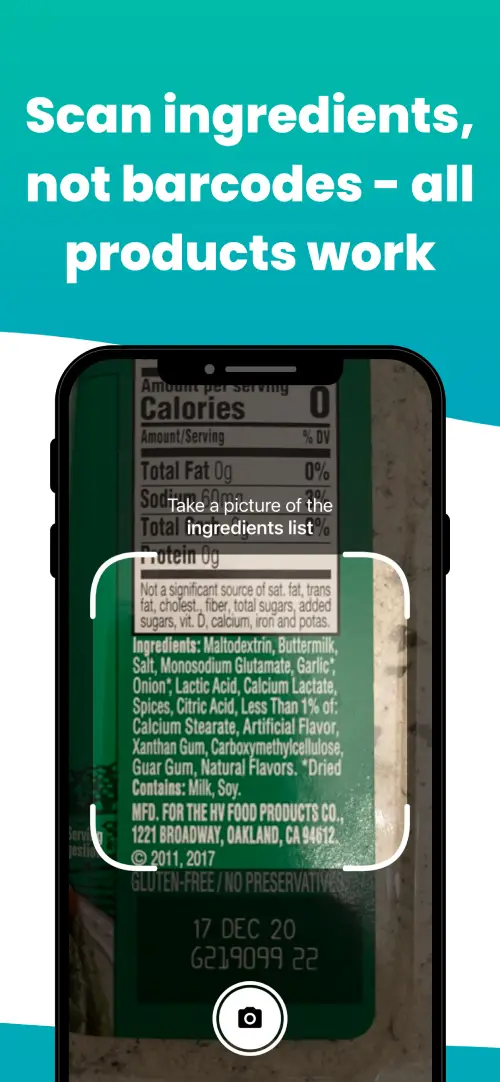
We've built a vegan ingredients scanner that classifies food ingredients as "vegan", "non-vegan", or "potentially vegan".
It allows you to avoid non-vegan ingredients - just take a picture of a product's ingredient list, and the app tells you if the product is vegan or not.



Check out other ingredients:
Is maple flavoring vegan?Is lactic acid 90% vegan?Is glycolic acid 70% vegan?Is fruit acid vegan?Is rebaudioside m vegan?Is nano hyaluronic acid vegan?Is reb m vegan?Is polyquaternium-44 vegan?Is behenyl alcohol vegan?Is trihydroxystearin vegan?Is matieres grasses de lait vegan?Is œufs de cabillaud vegan?
We'll never send you spam.