Is other fermented milk vegan?
Other fermented milk is a non-vegan food ingredient.
Checking out an ingredients list? 👇
Vegan Ingredient Checker
Scan labels, check if ingredients are vegan
"You are amazing, this has saved me so much time when grocery shopping!"
— Austin, a user who reached out with feedback
"It's been a great tool since starting my journey! You take a pic of the nutrition/ingredients, and it'll warn you of anything questionable or not vegan. 😁"
— Ashe, a Vegan For Beginners Facebook Group member
"Use a vegan app when you go shopping, I use WhatsVegan."
— Dóra, a Vegan For Beginners Facebook Group member


Learn more
"You are amazing, this has saved me so much time when grocery shopping!"
— Austin, a user who reached out with feedback
"It's been a great tool since starting my journey! You take a pic of the nutrition/ingredients, and it'll warn you of anything questionable or not vegan. 😁"
— Ashe, a Vegan For Beginners Facebook Group member
"Use a vegan app when you go shopping, I use WhatsVegan."
— Dóra, a Vegan For Beginners Facebook Group member
So, what is other fermented milk?
"Other fermented milk" is a generic regulatory label term used to describe cultured dairy products that do not fall under specific legal classifications like standard yogurt, kefir, or buttermilk. It is derived from the milk of animals, most commonly cows, goats, sheep, or water buffalo. The ingredient is made by inoculating animal milk with specific bacterial cultures or yeasts, which ferment lactose into lactic acid to thicken the liquid and create a tart flavor profile. This item typically appears on labels for imported or traditional cultured dairy drinks, packaged fermented beverages, regional dairy items, processed dips, and dairy-based dessert products.
other fermented milk is not vegan because it comes directly from animals. Mammalian milk and all ingredients derived from it are animal products. Even though the bacterial cultures used to ferment the milk may be grown on non-animal media, the base substance is inherently dairy. Plant-based fermented alternatives, such as those made from soy, oats, or coconut, are labeled with distinct dairy-free designations and are not identified simply as fermented milk under standard food labeling laws.
How to quickly find the source of ingredients like other fermented milk?
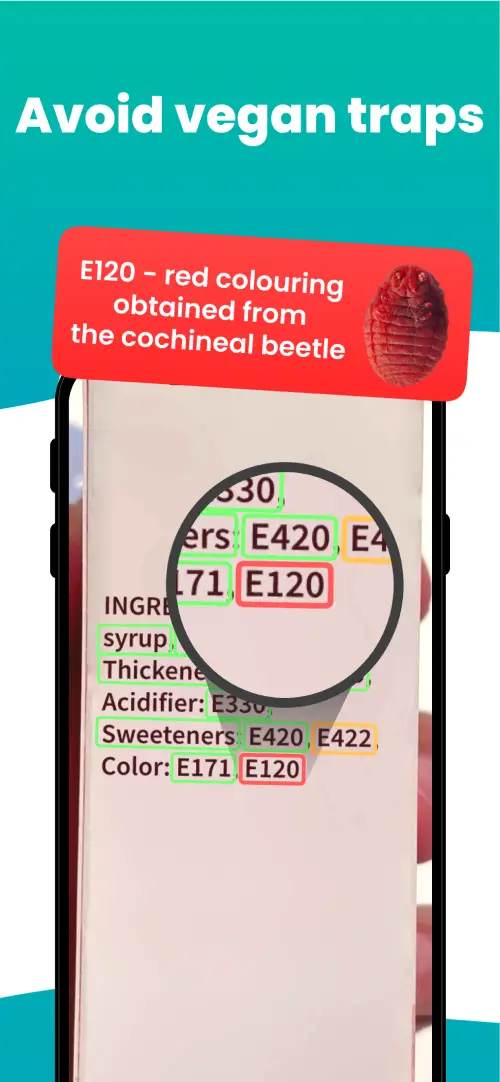
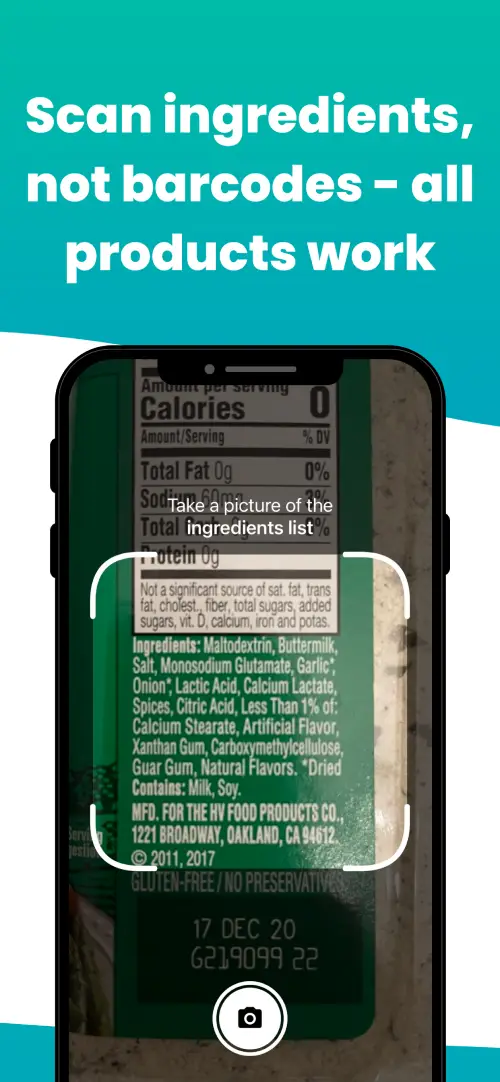
We've built a vegan ingredients scanner that classifies food ingredients as "vegan", "non-vegan", or "potentially vegan".
It allows you to avoid non-vegan ingredients - just take a picture of a product's ingredient list, and the app tells you if the product is vegan or not.

We'll never send you spam.