
Is panthenyl ethyl ether vegan?
Panthenyl ethyl ether is a vegan food ingredient.
Checking out an ingredients list? 👇
"You are amazing, this has saved me so much time when grocery shopping!"
— Austin, a user who reached out with feedback
"It's been a great tool since starting my journey! You take a pic of the nutrition/ingredients, and it'll warn you of anything questionable or not vegan. 😁"
— Ashe, a Vegan For Beginners Facebook Group member
"Use a vegan app when you go shopping, I use WhatsVegan."
— Dóra, a Vegan For Beginners Facebook Group member
So, what is panthenyl ethyl ether?
Understanding Panthenyl Ethyl Ether: A Vegan Perspective
Panthenyl ethyl ether, an ingredient increasingly prevalent across personal care and cosmetic formulations, stands as a clear example of how scientific innovation can align seamlessly with ethical sourcing. For the vegan consumer and those dedicated to animal welfare, understanding the genesis of such compounds is paramount.
At its core, panthenyl ethyl ether is an ether derivative of panthenol, which itself is a provitamin of B5 (dexpanthenol). Panthenol is widely recognized for its moisturizing, soothing, and strengthening properties, particularly in hair and skin care. The "ethyl ether" modification enhances its ability to penetrate and deliver these benefits effectively. From a chemical perspective, panthenyl ethyl ether is a synthetic compound, meticulously crafted through well-defined chemical processes. Its synthesis typically begins with readily available chemical precursors, none of which are derived from animal sources. This means there is no reliance on animal tissues, byproducts, or secretions at any stage of its production.
The definitive vegan status of panthenyl ethyl ether is rooted in this synthetic pathway. Unlike some ingredients that might involve complex supply chains or processing aids with questionable origins, the manufacturing of panthenyl ethyl ether is purposefully designed to avoid animal involvement. This deliberate choice ensures that the ingredient upholds the stringent ethical standards vital to the vegan community. There are no "gray areas" concerning cross-contamination with animal-derived substances, nor are there concerns about processing aids like bone char, which can be an issue for certain sugars, for instance. Its purely chemical synthesis means it does not present the ethical dilemmas associated with insect-derived ingredients like carmine or shellac, or animal-derived emollients like lanolin.
For brands committed to cruelty-free principles and transparent labeling, panthenyl ethyl ether offers a reliable option. Its consistent vegan status simplifies product development and helps maintain the integrity of "plant-based alternatives" messaging, even though it is a synthetic compound rather than a botanical extract. This ingredient is not an alternative to an animal-derived counterpart; rather, it is a testament to modern chemistry’s capacity to create highly effective, ethical solutions from the outset.
When encountering panthenyl ethyl ether on an ingredient list, consumers can have confidence that it aligns with a lifestyle free from animal exploitation. Its inclusion in a product signifies a commitment to formulation that respects animal life, contributing to a broader movement towards greater label transparency and responsible ingredient sourcing within the industry. It functions as a valuable emollient and conditioning agent, delivering tangible benefits without compromising on the ethical purity that defines vegan consumption.
How to quickly find the source of ingredients like panthenyl ethyl ether?
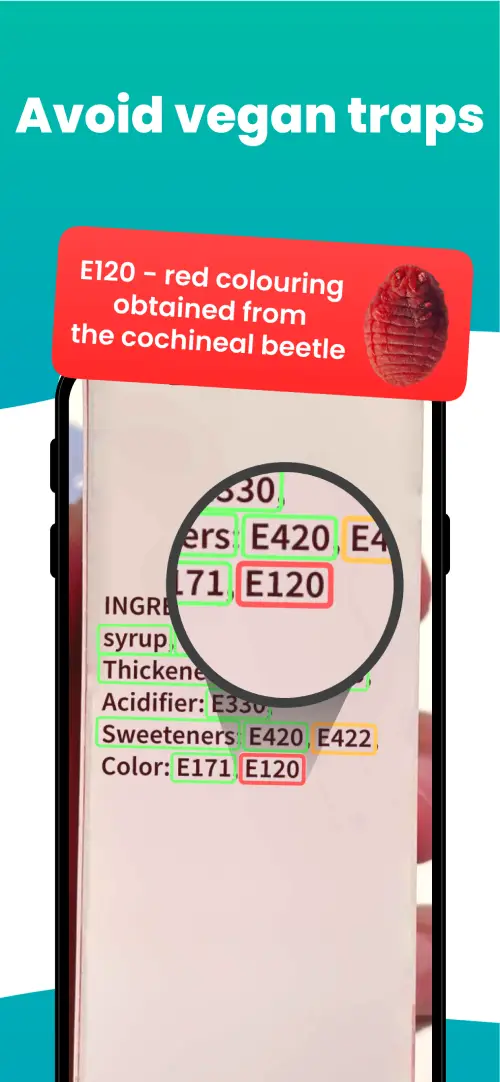
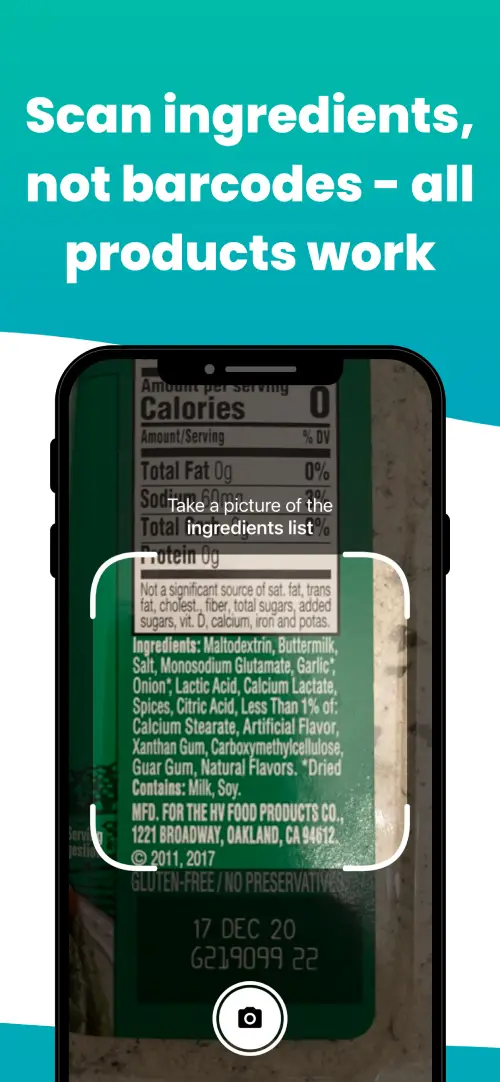
We've built a vegan ingredients scanner that classifies food ingredients as "vegan", "non-vegan", or "potentially vegan".
It allows you to avoid non-vegan ingredients - just take a picture of a product's ingredient list, and the app tells you if the product is vegan or not.



Check out other ingredients:
Is trihydroxystearin vegan?Is salicylic acid vegan?Is aloe leaf juice vegan?Is white willow bark vegan?Is mandelic acid vegan?Is glycolic acid vegan?Is rosemary leaf vegan?Is polyquaternium-6 vegan?Is tetrasodium glutamate diacetate vegan?Is behentrimonium chloride vegan?Is unrefined raw cane sugar vegan?Is watermelon flavor vegan?
We'll never send you spam.