
Is white willow bark vegan?
White willow bark is a vegan food ingredient.
Checking out an ingredients list? 👇
"You are amazing, this has saved me so much time when grocery shopping!"
— Austin, a user who reached out with feedback
"It's been a great tool since starting my journey! You take a pic of the nutrition/ingredients, and it'll warn you of anything questionable or not vegan. 😁"
— Ashe, a Vegan For Beginners Facebook Group member
"Use a vegan app when you go shopping, I use WhatsVegan."
— Dóra, a Vegan For Beginners Facebook Group member
So, what is white willow bark?
White Willow Bark: A Core Element in Ethical Plant-Based Wellness
White willow bark, scientifically known as Salix alba, stands as a foundational ingredient in the realm of botanical wellness, with a history spanning millennia. Derived directly from the bark of the white willow tree, its appeal stems from the presence of salicin, a natural compound that the body converts into salicylic acid, offering well-documented anti-inflammatory and pain-relieving properties. For those committed to a plant-based lifestyle, understanding the origin and processing integrity of such ingredients is paramount.
Unambiguously Vegan: The Botanical Purity
The vegan status of white willow bark is straightforward and unequivocally clear. As a direct botanical extract from a tree, its fundamental nature is entirely plant-based. There are no animal-derived components inherent to the bark itself, nor are animals involved in its cultivation or harvesting. This purity aligns perfectly with animal ethics, ensuring that its procurement requires no exploitation, harm, or byproduct from sentient beings. It represents a truly cruelty-free ingredient at its core.
Historically, long before the advent of synthetic pharmaceuticals, white willow bark served as a potent, common plant-based alternative for managing discomfort and inflammation. Its efficacy, rooted in nature, underscores its value for individuals seeking ethical, sustainable health solutions.
Upholding Integrity: Beyond the Bark
While the raw white willow bark is inherently vegan, a discerning approach is essential when considering its derived products, such as extracts, powders, or supplements. The primary ingredient may be vegan, but the journey from bark to final consumable product can sometimes introduce complexities that require careful scrutiny.
This is where the importance of label transparency becomes critical. For a product containing white willow bark to truly uphold vegan standards, one must evaluate the entire formulation. This includes ensuring that any processing aids, carriers, binders, or encapsulating agents are also free from animal-derived sources. For instance, some conventional capsules are made from gelatin, an animal product. Similarly, certain extraction solvents or stabilizers could potentially contain non-vegan elements, though this is less common with reputable botanical extractors.
Ethical sourcing also extends beyond animal components to encompass sustainable harvesting practices that do not harm the overall ecosystem or exploit human labor. While not directly related to animal components, it speaks to the broader integrity of the product and its alignment with a holistic, compassionate worldview.
A Valued Plant-Based Alternative
For those embracing plant-based living, white willow bark is not just an ingredient; it's a testament to the power of nature to provide effective, ethical solutions. Its status as a potent, plant-derived resource for health support reinforces the validity of choosing plant-based alternatives across all aspects of life. It continues to be a go-to choice for individuals who prioritize products that are not only effective but also honor the principles of purity and non-exploitation.
In summary, white willow bark in its pure form is a definitively vegan ingredient, aligning seamlessly with cruelty-free and plant-based values. For complete assurance, vigilance regarding a product's full ingredient list and a commitment to label transparency remain key to ensuring its ultimate vegan integrity.
How to quickly find the source of ingredients like white willow bark?
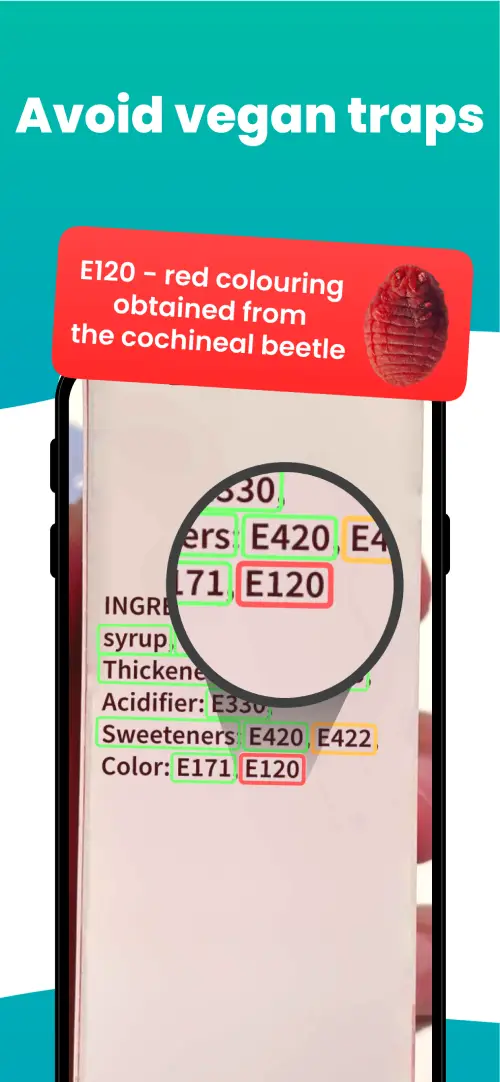
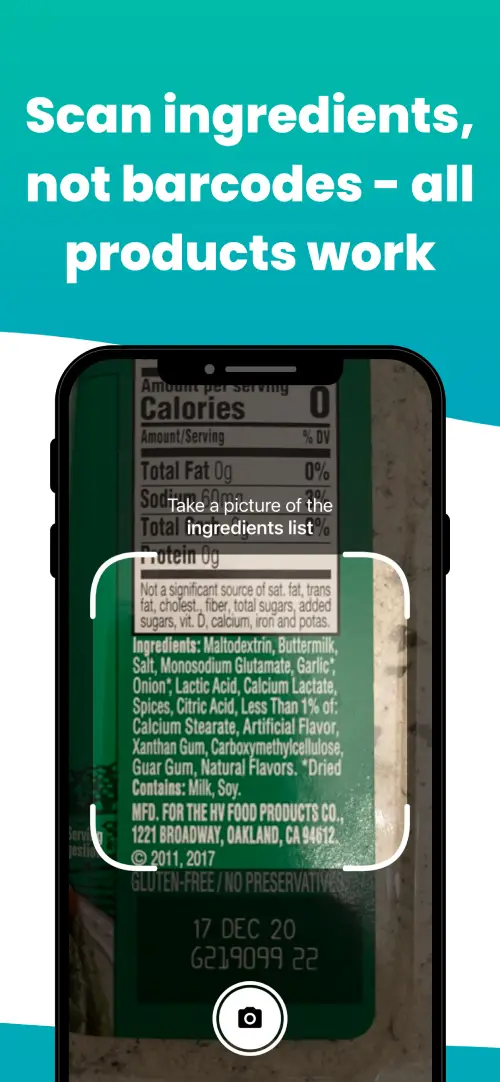
We've built a vegan ingredients scanner that classifies food ingredients as "vegan", "non-vegan", or "potentially vegan".
It allows you to avoid non-vegan ingredients - just take a picture of a product's ingredient list, and the app tells you if the product is vegan or not.



Check out other ingredients:
Is sunflower phosphatidylcholine vegan?Is aloe leaf juice vegan?Is litsea fruit vegan?Is litsea cubeba vegan?Is broad spectrum cbd vegan?Is sweet orange peel vegan?Is cupric oxide vegan?Is panthenyl ethyl ether vegan?Is 100% whole grain rolled oat vegan?Is light brown sugar refiner's syrup vegan?Is canola lecithin vegan?Is mandelic acid vegan?
We'll never send you spam.