
Is pasteurised cream vegan?
Pasteurised cream is a non-vegan food ingredient.
Checking out an ingredients list? 👇
"You are amazing, this has saved me so much time when grocery shopping!"
— Austin, a user who reached out with feedback
"It's been a great tool since starting my journey! You take a pic of the nutrition/ingredients, and it'll warn you of anything questionable or not vegan. 😁"
— Ashe, a Vegan For Beginners Facebook Group member
"Use a vegan app when you go shopping, I use WhatsVegan."
— Dóra, a Vegan For Beginners Facebook Group member
So, what is pasteurised cream?
Understanding Pasteurised Cream: A Vegan Perspective
Pasteurised cream stands as a fundamental ingredient in countless culinary applications, valued for its rich texture and decadent flavour. From a scientific and ethical vegan standpoint, it’s imperative to state unequivocally: pasteurised cream is not vegan. This classification stems directly from its origin as an animal-derived product, fundamentally conflicting with the principles of animal ethics and purity that define veganism.
At its core, cream is the high-fat layer that is skimmed from milk, primarily sourced from cows in commercial production. While sheep and goat milk also yield cream, the vast majority available in supermarkets originates from bovine lactations. The term "pasteurised" refers to a heat treatment process (typically heating to a specific temperature for a set duration) designed to kill harmful bacteria and extend shelf life. Crucially, this processing step does not alter the ingredient's animal origin; it merely renders it safer for consumption and more stable.
The ethical considerations for vegans are profound. The production of dairy cream inherently involves the domestication, breeding, and exploitation of animals. Cows must give birth to produce milk, leading to a cycle where calves are typically separated from their mothers shortly after birth. Male calves are often destined for veal production, while female calves enter the dairy herd, perpetuating the cycle. This systemic use of animals for their secretions, along with the associated practices of intensive farming, selective breeding, and eventual slaughter, runs directly counter to the cruelty-free ethos of veganism. From a purity perspective, ingesting bodily fluids from another species, obtained through these practices, is also considered unacceptable.
For individuals committed to a plant-based lifestyle, the non-vegan status of pasteurised cream necessitates careful label scrutiny. While the term "cream" itself strongly implies dairy, some food products might use ambiguous phrasing. True label transparency is vital for consumers to ensure they are making truly cruelty-free choices.
Fortunately, the culinary landscape has evolved significantly, offering a diverse array of plant-based alternatives to traditional pasteurised cream. These options are formulated from various sources, each bringing unique attributes to the table:
Coconut Cream: Known for its rich fat content and slight tropical flavour, excellent for desserts and curries. Cashew Cream: Achieved by blending soaked cashews, it offers a neutral flavour and incredibly smooth, thick texture, ideal for savoury sauces and cheesecakes. Soy Cream: Often available as a direct liquid replacement for dairy cream, suitable for baking and cooking. Oat Cream: A newer innovation, offering a mild flavour and good emulsifying properties, perfect for coffee and cooking. Almond Cream:* Lighter in texture and flavour, suitable for delicate dishes.
These plant-based alternatives not only replicate the functionality and taste of dairy cream but do so without contributing to animal agriculture. They represent the ingenuity in creating delicious, ethical, and sustainable food options that align perfectly with a vegan framework. When seeking an ingredient to provide richness and body, remember that while pasteurised cream delivers, it does so at an ethical cost that numerous cruelty-free plant-based options now effortlessly overcome.
How to quickly find the source of ingredients like pasteurised cream?
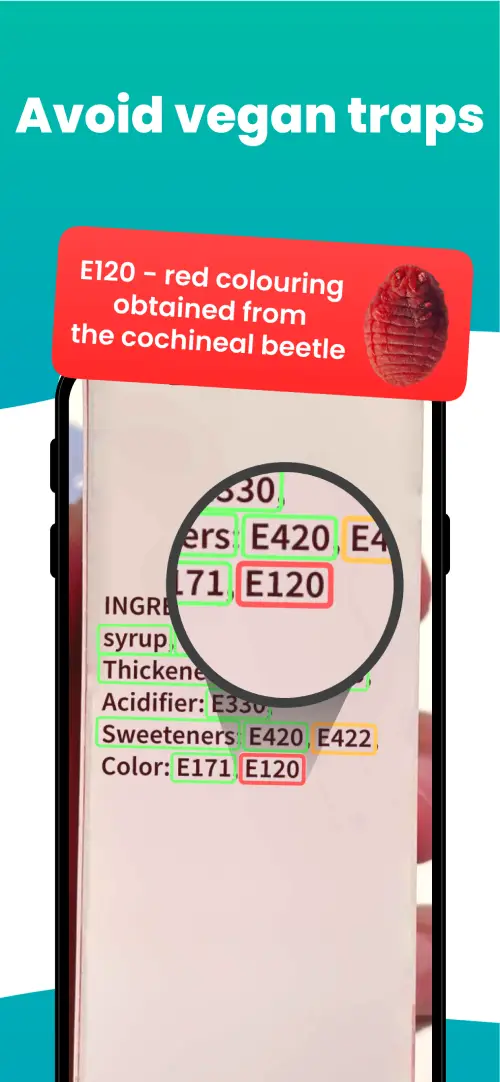
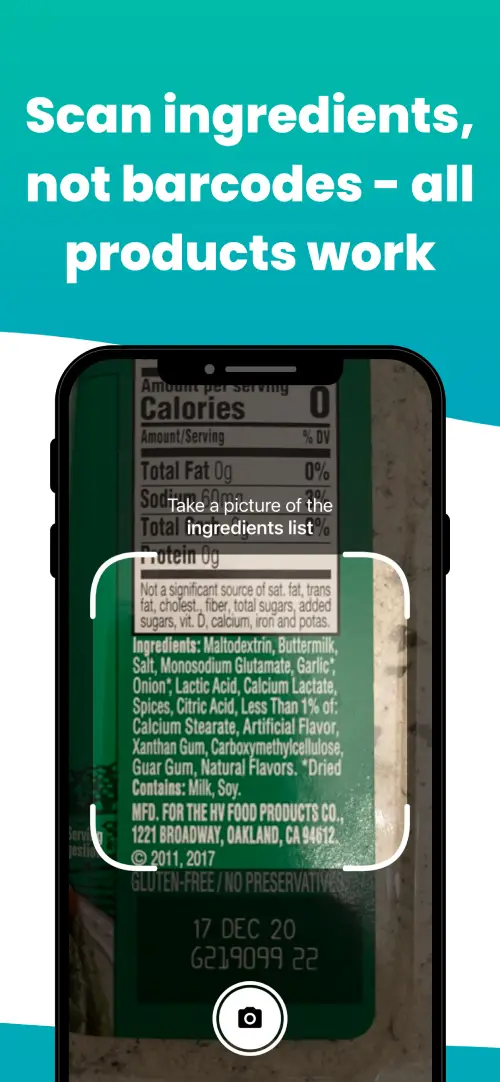
We've built a vegan ingredients scanner that classifies food ingredients as "vegan", "non-vegan", or "potentially vegan".
It allows you to avoid non-vegan ingredients - just take a picture of a product's ingredient list, and the app tells you if the product is vegan or not.



Check out other ingredients:
Is cultured nonfat milk vegan?Is pasteurized cultured milk vegan?Is prawn cocktail vegan?Is pasteurised whole and part skim milk vegan?Is pasteurized organic milk vegan?Are dairy solids vegan?Is cultured pasteurized milk vegan?Is cultured pasteurised milk vegan?Is hydrolysed whey protein isolate vegan?Is hydrolyzed whey protein isolate vegan?Is micellar casein vegan?Is œuf entier liquide pasteurise salé vegan?
We'll never send you spam.