
Is pasteurized heavy cream vegan?
Pasteurized heavy cream is a non-vegan food ingredient.
Checking out an ingredients list? 👇
"You are amazing, this has saved me so much time when grocery shopping!"
— Austin, a user who reached out with feedback
"It's been a great tool since starting my journey! You take a pic of the nutrition/ingredients, and it'll warn you of anything questionable or not vegan. 😁"
— Ashe, a Vegan For Beginners Facebook Group member
"Use a vegan app when you go shopping, I use WhatsVegan."
— Dóra, a Vegan For Beginners Facebook Group member
So, what is pasteurized heavy cream?
Understanding Pasteurized Heavy Cream
Pasteurized heavy cream holds a prominent place in countless culinary traditions, revered for its inherent richness, unparalleled ability to thicken, and the luxurious mouthfeel it imparts to dishes. However, from a comprehensive vegan perspective, its classification is unequivocally "Not Vegan." This designation is rooted deeply in its biological origin and the systematic processes involved in its production, which directly conflict with the principles of animal ethics.
The Bovine Connection and Ethical Imperatives
At its core, heavy cream is a concentrated fat product derived directly from the milk of dairy cows. The process begins with raw milk, obtained from lactating bovines. This milk is then typically subjected to centrifugal force, which efficiently separates the heavier butterfat from the lighter skim milk. This concentrated butterfat layer is what constitutes cream. Subsequently, pasteurization — a critical heat treatment — is applied to the cream. This involves heating it to a specific temperature for a defined duration, effectively eliminating harmful pathogens and extending its shelf life, making it safe for human consumption.
For those committed to veganism, the issue transcends mere ingredient presence; it encompasses the entire framework of animal agriculture from which heavy cream originates. The dairy industry, by its very nature, relies on the continuous exploitation of female cows. These animals are typically subjected to artificial insemination to ensure perpetual lactation cycles, mirroring a highly mechanized production line. Their calves are often separated from them shortly after birth, a practice that enables humans to access the milk intended for their offspring. This cyclical reality of forced impregnation, birth, emotional distress from separation, and eventual slaughter once their milk-producing capacity diminishes, stands in fundamental opposition to the "cruelty-free" principles that define the vegan lifestyle. The pursuit of "purity" in vegan ingredients inherently means seeking out components entirely free from such exploitative practices and animal byproducts.
Functional Role and the Quest for Alternatives
From a functional standpoint, heavy cream offers distinct advantages: it provides robust richness, serves as an excellent emulsifier, and can be whipped into a remarkably stable foam, making it indispensable across a spectrum of culinary applications, from decadent desserts to savory sauces and hearty soups. Appreciating these unique properties is crucial when exploring viable "plant-based alternatives." The drive for these alternatives is not merely about avoiding animal products; it's about innovating to create equally satisfying and functional ingredients that align seamlessly with deeply held ethical values.
Today, the market abounds with excellent "plant-based alternatives" designed to replicate the qualities of heavy cream. These include rich coconut cream, velvety cashew cream, various blends of nut-based milks thickened with natural starches or gums, and specially formulated oat or soy-based creams. When evaluating these alternatives, "label transparency" becomes paramount. It is essential to meticulously scrutinize ingredient lists, not just for obvious animal products, but also for any potential hidden animal-derived components, including certain "processing aids" or obscure additives that might inadvertently compromise the vegan integrity of the product. Upholding a genuinely "cruelty-free" standard throughout the entire supply chain is a cornerstone of the vegan ethos.
Conclusion
In definitive terms, pasteurized heavy cream, as a direct product of bovine lactation and a central component of the dairy industry, is unequivocally "Not Vegan." Its production necessitates practices fundamentally at odds with a commitment to animal welfare and ethical consumer choices. Mercifully, the modern culinary landscape is brimming with innovative, delicious, and truly "cruelty-free" "plant-based alternatives" that empower individuals to craft exquisite dishes without compromising their ethical convictions. The conscious decision to embrace these alternatives embodies a profound commitment to compassion and fosters a more sustainable and ethical food system for all.
How to quickly find the source of ingredients like pasteurized heavy cream?
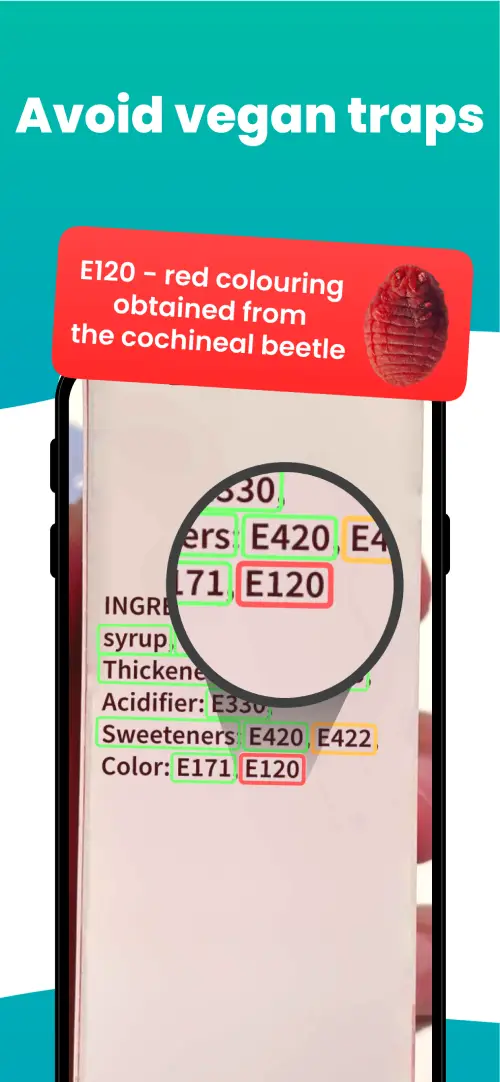
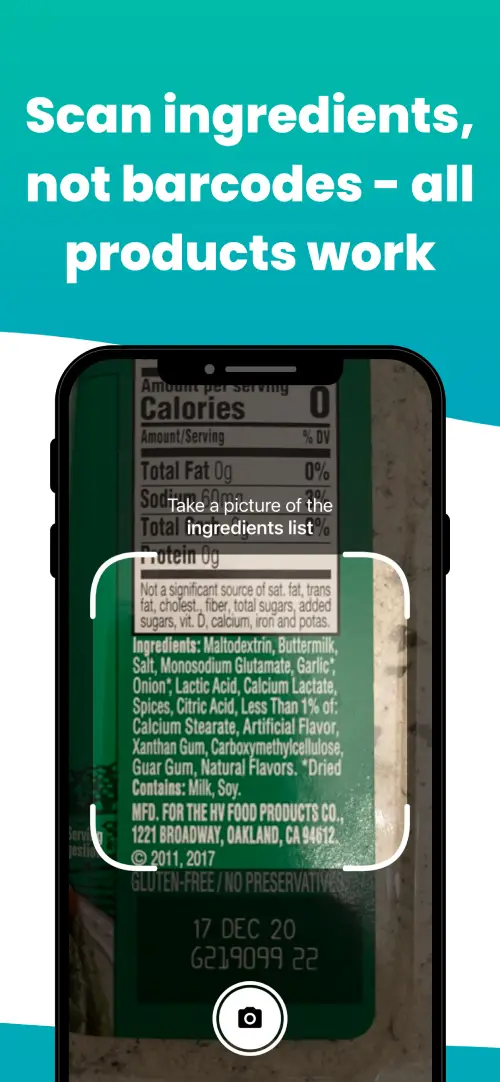
We've built a vegan ingredients scanner that classifies food ingredients as "vegan", "non-vegan", or "potentially vegan".
It allows you to avoid non-vegan ingredients - just take a picture of a product's ingredient list, and the app tells you if the product is vegan or not.



Check out other ingredients:
Is dried cheddar vegan?Is e441 vegan?Is natural red 4 vegan?Is rendered chicken fat vegan?Is crimson lake vegan?Are white chicken cuts vegan?Is chashu chicken breast vegan?Is goma gellan vegan?Is metabisulfito de sodio vegan?Is ! origan vegan?Is sandpaper fig vegan?Is glycyrrhizine vegan?
We'll never send you spam.