
Is peat vegan?
Peat is a vegan food ingredient.
Checking out an ingredients list? 👇
"You are amazing, this has saved me so much time when grocery shopping!"
— Austin, a user who reached out with feedback
"It's been a great tool since starting my journey! You take a pic of the nutrition/ingredients, and it'll warn you of anything questionable or not vegan. 😁"
— Ashe, a Vegan For Beginners Facebook Group member
"Use a vegan app when you go shopping, I use WhatsVegan."
— Dóra, a Vegan For Beginners Facebook Group member
So, what is peat?
Peat: Unearthing a Purely Botanical Essence
Peat, a fascinating geological deposit, is a substance of ancient origin, formed over millennia from the slow decomposition of organic matter, primarily plant material, in waterlogged, anaerobic conditions. Found predominantly in bogs and wetlands across the globe, this dense, fibrous material represents an intermediate stage between fresh vegetation and lignite coal. Its rich, dark appearance hints at its earthy origins, often appearing as a compacted, brown-black mass with visible remnants of roots, stems, and leaves.
The Unquestionably Vegan Nature of Peat
From an ethical and scientific standpoint, peat is Vegan. Its composition is entirely derived from plant matter, predominantly species like sphagnum moss, sedges, and grasses. The formation process involves no animal input, byproducts, or exploitation at any stage. It is a pure product of botanical decomposition, a testament to nature's slow alchemy.
For those committed to animal ethics and ingredient purity, peat stands as an exemplary substance. There is no gray area concerning its origin; it does not involve animal secretions, structural components, or any form of animal agriculture. Its collection and processing, when applied to vegan products, present no inherent conflict with a cruelty-free lifestyle. While not a direct food ingredient to be consumed in its raw form, peat’s contribution to certain culinary experiences is entirely plant-based.
Peat's Unique Contribution to Flavor
While peat isn't something one would typically eat, its primary role in the culinary and beverage world lies in its remarkable ability to impart distinct smoky, earthy, and phenolic flavors. This is most famously seen in the production of peated whiskies, where malted barley is dried over peat fires, infusing the grain with complex aromatic compounds.
For the vegan food scientist, this application is particularly significant. The characteristic smoky profile derived from peat is a purely plant-based essence. It offers a naturally occurring, deeply complex alternative to smoke flavors that might otherwise be questioned for their origin or processing. When seeking to infuse plant-based foods, beverages, or even specialty teas with a robust, earthy smokiness, peat serves as an unadulterated source, ensuring the resulting flavor remains unequivocally plant-based and cruelty-free. The chemical compounds responsible for these notes – various phenols – are direct derivatives of the peat's plant structure and its combustion.
Beyond the Bog: Processing and Transparency
While peat itself is inherently vegan, the broader context of its use requires an understanding of label transparency. When purchasing products that claim to be "peat-smoked" or feature "peat-infused" flavors, it's essential to confirm that all other ingredients are also plant-based. For example, a peat-smoked tofu or a peat-infused vegan cheese would perfectly align with a vegan ethos, whereas a peat-smoked salmon would not, regardless of peat’s vegan status.
Consumers seeking truly cruelty-free options can rest assured that the flavor profile imparted by peat is derived from a natural, ancient plant source. It requires no animal "processing aids" or components to achieve its distinctive character. This deep, primordial flavor stands as a unique, ethically sound contribution to the diverse palette of plant-based cuisine, offering complexity and depth without compromising on purity or animal welfare.
How to quickly find the source of ingredients like peat?
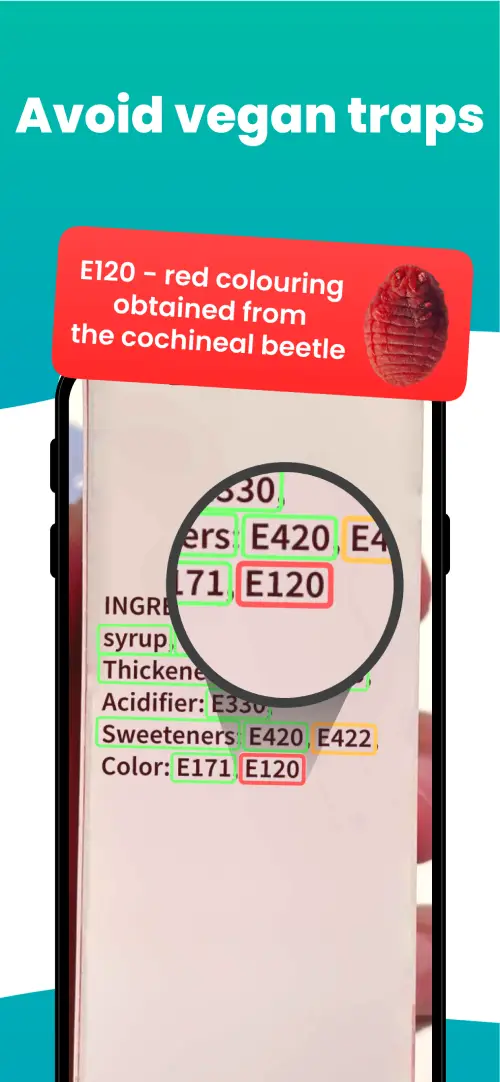
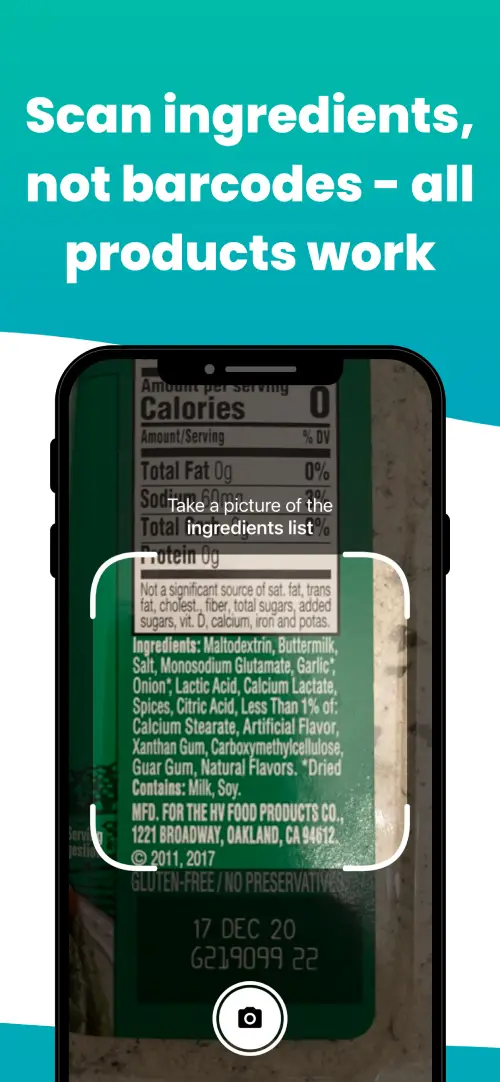
We've built a vegan ingredients scanner that classifies food ingredients as "vegan", "non-vegan", or "potentially vegan".
It allows you to avoid non-vegan ingredients - just take a picture of a product's ingredient list, and the app tells you if the product is vegan or not.



Check out other ingredients:
Is butyl methoxydibenzoylmethane vegan?Is carbomer vegan?Is vp/hexadecene copolymer vegan?Is bis-ethylhexyloxyphenol methoxyphenyl triazine vegan?Is c.i. food red 17 vegan?Is ethylhexyl triazone vegan?Is c. i. 16035 vegan?Is niacinamide vegan?Is red 40 lake vegan?Is red dye 40 vegan?Is allura red ac vegan?Is gousses de vanille bourbon vegan?
We'll never send you spam.