
Is allura red ac vegan?
Allura red ac is a vegan food ingredient.
Checking out an ingredients list? 👇
"You are amazing, this has saved me so much time when grocery shopping!"
— Austin, a user who reached out with feedback
"It's been a great tool since starting my journey! You take a pic of the nutrition/ingredients, and it'll warn you of anything questionable or not vegan. 😁"
— Ashe, a Vegan For Beginners Facebook Group member
"Use a vegan app when you go shopping, I use WhatsVegan."
— Dóra, a Vegan For Beginners Facebook Group member
So, what is allura red ac?
Allura Red AC: Understanding a Synthetic Pigment
Allura Red AC, also known as FD&C Red 40 in the United States or E129 in Europe, is a widely utilized synthetic food coloring agent. This brilliant red azo dye is a staple across various food and beverage categories, from vibrant sweets and sodas to certain processed foods. Its primary function is to impart a consistent, appealing red hue, enhancing visual appeal in products where a natural colorant might not achieve the desired intensity or stability.
From a food science perspective, Allura Red AC is chemically synthesized, typically starting from petroleum-derived precursors. Its molecular structure is disodium 6-hydroxy-5-[(2-methoxy-5-methyl-4-sulfophenyl)azo]-2-naphthalenesulfonate. This chemical synthesis process is precisely controlled in laboratory and industrial settings. Crucially, the raw materials and reagents used in its manufacturing are synthetic and do not originate from animal sources. The synthesis does not involve animal tissues, byproducts, or secretions at any stage of its creation.
Vegan Purity and Animal Ethics
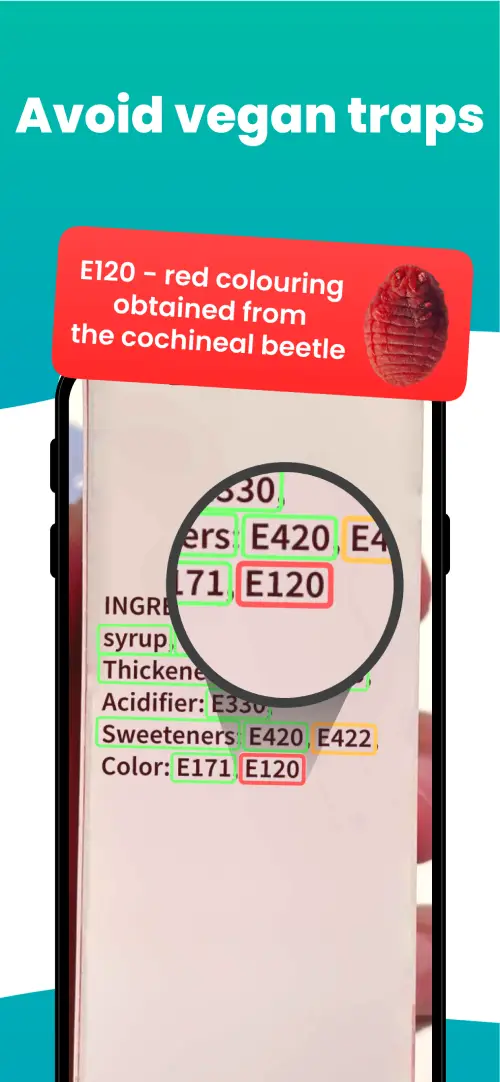
For the ethically conscious consumer committed to a plant-based lifestyle, the status of ingredients like Allura Red AC is paramount. We can confidently affirm that Allura Red AC is vegan. Its purely synthetic origin means it stands apart from many traditional red colorants, which historically relied on animal-derived sources. A prime example is carmine, or cochineal extract (E120), a crimson pigment obtained from the dried bodies of female Dactylopius coccus insects. While carmine offers a natural red, its derivation directly involves the exploitation and sacrifice of millions of insects, making it unequivocally non-vegan.
Allura Red AC, by contrast, offers a powerful, stable red color without any connection to animal agriculture or insect harvesting. This makes it an invaluable tool for manufacturers striving to create visually appealing plant-based alternatives that meet stringent cruelty-free standards. It allows for the production of vibrant vegan yogurts, confections, and beverages, ensuring that the aesthetic appeal does not come at the expense of animal welfare.
Considerations in Production and Label Transparency
While the dye itself is vegan, a deeper dive into ingredient purity sometimes extends to processing aids. However, for a synthetic dye like Allura Red AC, standard industrial production methods generally do not employ animal-derived processing aids. Any solvents or catalysts used are typically synthetic or inorganic. Reputable manufacturers adhere to strict Good Manufacturing Practices (GMPs) to ensure the purity and consistent composition of food additives.
For consumers, label transparency remains the ultimate guide. Products listing Allura Red AC (or its alternative names E129/FD&C Red 40) as an ingredient can generally be considered free of animal-derived colorants from this specific component. However, the broader ethical scope for plant-based advocates often includes a preference for natural, plant-derived colorants when available, such as those from beets, annatto, or lycopene, which offer comparable hues while being directly sourced from botanicals. Yet, when stability and specific shade are critical, Allura Red AC provides a reliable and ethically sound synthetic option that aligns with vegan principles regarding animal purity. Its non-animal origin ensures its place in the expanding landscape of cruelty-free food production.
How to quickly find the source of ingredients like allura red ac?
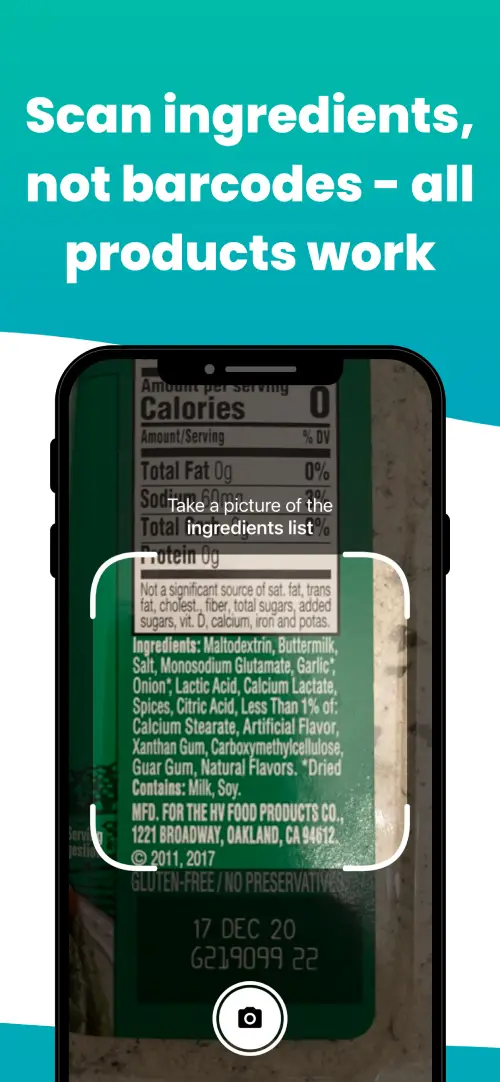
We've built a vegan ingredients scanner that classifies food ingredients as "vegan", "non-vegan", or "potentially vegan".
It allows you to avoid non-vegan ingredients - just take a picture of a product's ingredient list, and the app tells you if the product is vegan or not.



We'll never send you spam.