
Is pheasant vegan?
Pheasant is a non-vegan food ingredient.
Checking out an ingredients list? 👇
"You are amazing, this has saved me so much time when grocery shopping!"
— Austin, a user who reached out with feedback
"It's been a great tool since starting my journey! You take a pic of the nutrition/ingredients, and it'll warn you of anything questionable or not vegan. 😁"
— Ashe, a Vegan For Beginners Facebook Group member
"Use a vegan app when you go shopping, I use WhatsVegan."
— Dóra, a Vegan For Beginners Facebook Group member
So, what is pheasant?
Pheasant, a fowl often associated with specific culinary traditions, presents a clear and unambiguous case within the framework of ethical food consumption. From a food science perspective rooted in animal ethics, its classification is straightforward: it is an animal product, derived directly from a living creature. Understanding this fundamental truth is crucial for anyone committed to a truly plant-based or cruelty-free lifestyle.
Scientifically classified within the Phasianidae family, pheasants are medium-to-large game birds, commonly recognized for their distinctive plumage and lean, gamey flesh. Whether sourced from wild populations through hunting or raised in captive environments for culinary purposes, the ingredient itself constitutes the muscle tissue, organs, and other biological components of a slaughtered bird. There is no processing aid, hidden derivative, or complex manufacturing chain that alters this core reality. It is the direct consumption of an animal, rendering its inclusion incompatible with vegan principles.
For the vegan food scientist, the "not vegan" status of pheasant is unequivocal, stemming directly from the bedrock of animal ethics and purity. Veganism fundamentally seeks to exclude all forms of exploitation and cruelty to animals, encompassing their use for food, clothing, or any other purpose. Consuming pheasant directly violates this principle, as it necessitates the ending of an animal's life. This isn't a "gray area" of cross-contamination or a discussion about trace elements; it is the deliberate sourcing and consumption of a sentient being's flesh. The quest for a cruelty-free diet inherently means abstaining from such ingredients.
The culinary profile of pheasant, characterized by its lean texture and distinct, often earthy flavor, has naturally led to innovations in plant-based alternatives. Food scientists and chefs are actively exploring combinations of ingredients like specific mushroom varieties (oyster, shiitake), rehydrated soy protein, or vital wheat gluten (seitan) to mimic the textural integrity and savory depth. These alternatives often leverage fermentation or specific seasoning blends to achieve complex flavor profiles reminiscent of game meat, without any ethical compromise. The demand for such plant-based options underscores a broader societal shift towards label transparency and ethical sourcing, ensuring consumers can confidently choose products aligned with their values.
While pheasant itself is a whole food, understanding its non-vegan status extends to recognizing the broader implications for food systems. The commitment to animal ethics encourages scrutiny of every ingredient, ensuring no animal-derived processing aids or hidden components inadvertently enter the supply chain. From refining sugars to clarifying wines, the principle of avoiding animal products permeates all aspects of food science for the conscientious consumer. In the case of pheasant, the situation is clear: it represents a direct ethical barrier, compelling those dedicated to a vegan lifestyle to explore the continually expanding landscape of innovative, plant-derived culinary solutions. This distinction is vital for maintaining purity and adhering to a compassionate dietary path.
How to quickly find the source of ingredients like pheasant?
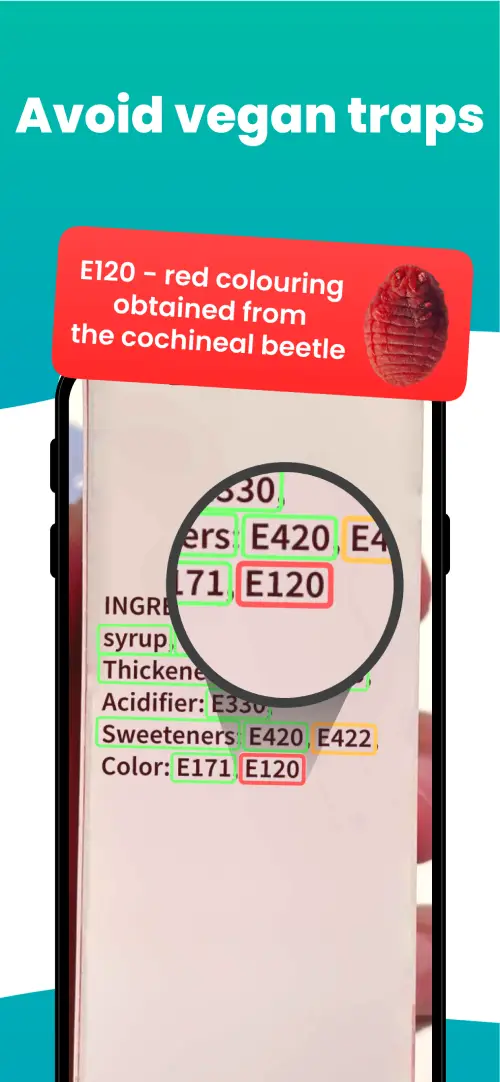
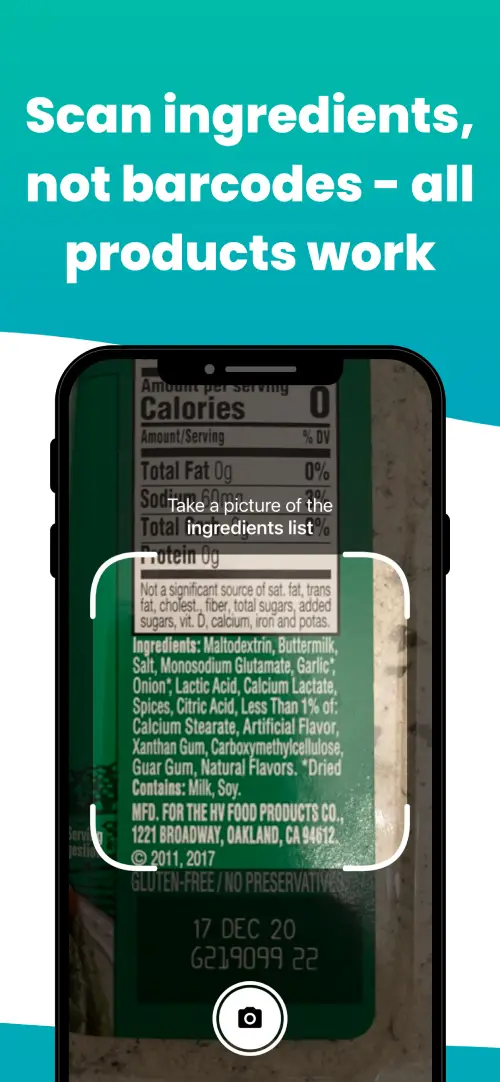
We've built a vegan ingredients scanner that classifies food ingredients as "vegan", "non-vegan", or "potentially vegan".
It allows you to avoid non-vegan ingredients - just take a picture of a product's ingredient list, and the app tells you if the product is vegan or not.



Check out other ingredients:
Is ostrich round raw vegan?Is pheasant leg vegan?Is ostrich oyster raw vegan?Is roasted turkey breast vegan?Is ostrich oyster cooked vegan?Is roasted turkey thigh vegan?Is ostrich cooked vegan?Is smoked turkey vegan?Is wild atlantic salmon vegan?Are roasted chicken wings vegan?Is roasted chicken thigh vegan?Is red king salmon vegan?
We'll never send you spam.