
Is pheasant leg vegan?
Pheasant leg is a non-vegan food ingredient.
Checking out an ingredients list? 👇
"You are amazing, this has saved me so much time when grocery shopping!"
— Austin, a user who reached out with feedback
"It's been a great tool since starting my journey! You take a pic of the nutrition/ingredients, and it'll warn you of anything questionable or not vegan. 😁"
— Ashe, a Vegan For Beginners Facebook Group member
"Use a vegan app when you go shopping, I use WhatsVegan."
— Dóra, a Vegan For Beginners Facebook Group member
So, what is pheasant leg?
Understanding Pheasant Leg in a Vegan Context
Pheasant leg, an ingredient prized in specific gastronomic circles for its robust flavor and firm texture, prompts an immediate and unambiguous classification within the vegan framework. From the rigorous perspective of animal ethics and dietary purity, this ingredient is unequivocally non-vegan.
The Foundational Truth: An Animal Product
At its core, pheasant leg is derived directly from the common pheasant, Phasianus colchicus, a bird species. This means that its inclusion in any dish necessitates the taking of an animal's life. For those committed to a vegan lifestyle, which is fundamentally rooted in avoiding the exploitation and consumption of sentient beings, the use of pheasant leg stands in direct opposition to these principles. The ethical stance against animal products is comprehensive, encompassing not only mammals but also birds, fish, and all other animal life.
Beyond the Source: Ethical Considerations
The methods by which pheasant legs are obtained, whether through hunting, game farming, or other forms of animal agriculture, invariably involve practices that are deemed incompatible with a cruelty-free ethos. The act of rearing and slaughtering pheasants for food involves denying these birds their natural lives and autonomy, a concept that vegans steadfastly reject. The commitment to a pure, plant-based diet extends far beyond merely selecting foods; it represents a philosophical alignment with minimizing harm to all living creatures.
The Pursuit of Dietary Purity
For the vegan food scientist, understanding the origin of every ingredient is paramount. The meticulous scrutiny applied to food sources ensures that the final product adheres to strict ethical guidelines, free from any animal-derived components. This commitment extends even to seemingly innocuous elements like processing aids, which, unbeknownst to many, can sometimes involve animal byproducts. Therefore, ensuring comprehensive label transparency is crucial, enabling consumers to make fully informed choices aligned with their ethical stance. Pheasant leg, as a whole, unrefined animal part, clearly fails to meet these criteria.
Exploring Compassionate Culinary Alternatives
Fortunately, the culinary world offers an ever-expanding array of plant-based alternatives capable of delivering rich, satisfying experiences without any compromise to ethical integrity. For those seeking the textural depth and savory umami typically associated with game meats like pheasant, creative plant-forward solutions abound. Ingredients such as marinated and braised king oyster mushrooms, textured wheat protein (seitan), or advanced pea and soy-based meat analogues can replicate the fibrous mouthfeel and complex flavor profiles. These cruelty-free innovations allow for the exploration of diverse culinary techniques, from slow-cooking stews to pan-seared preparations, all while upholding a compassionate and ethical dietary standard.
In summary, pheasant leg, being a direct product of an animal, is definitively not vegan. Its use conflicts with the core tenets of animal welfare and ethical purity that define the vegan lifestyle, prompting a clear redirection towards the innovative and abundant world of plant-based cuisine.
How to quickly find the source of ingredients like pheasant leg?
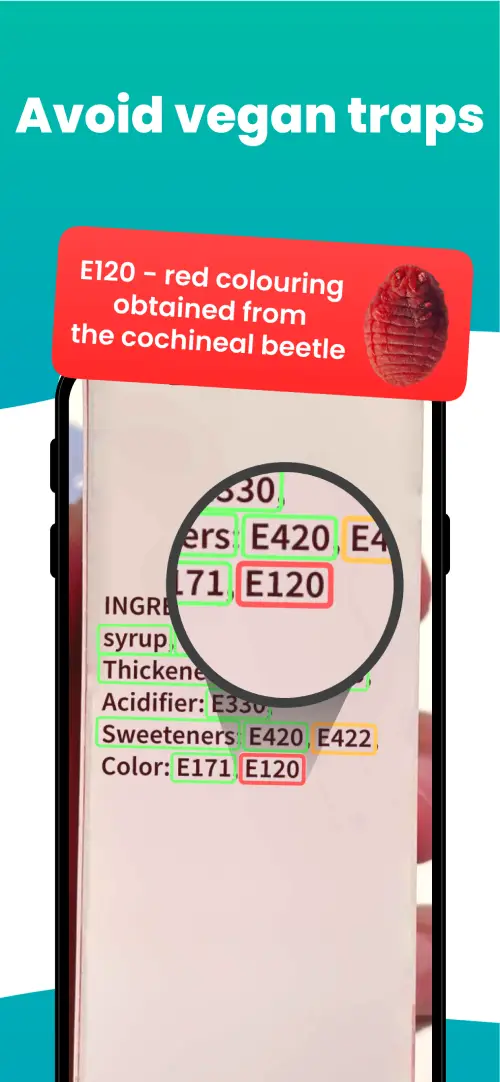
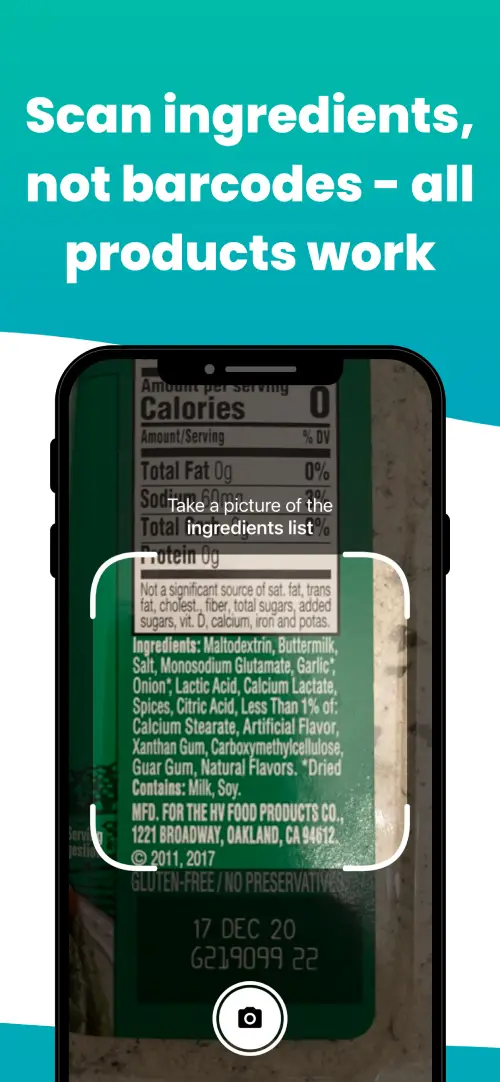
We've built a vegan ingredients scanner that classifies food ingredients as "vegan", "non-vegan", or "potentially vegan".
It allows you to avoid non-vegan ingredients - just take a picture of a product's ingredient list, and the app tells you if the product is vegan or not.



Check out other ingredients:
Is pheasant cooked vegan?Is pheasant breast vegan?Is roasted wild boar vegan?Is pheasant vegan?Is romano salami vegan?Is ostrich tenderloin raw vegan?Is smoked turkey vegan?Is ostrich round raw vegan?Is tipnuk salmon vegan?Is ostrich oyster raw vegan?Is wild atlantic salmon vegan?Is ostrich oyster cooked vegan?
We'll never send you spam.