Is polyvinyl butyral vegan?
Polyvinyl butyral is a vegan food ingredient.
Checking out an ingredients list? 👇
"You are amazing, this has saved me so much time when grocery shopping!"
— Austin, a user who reached out with feedback
"It's been a great tool since starting my journey! You take a pic of the nutrition/ingredients, and it'll warn you of anything questionable or not vegan. 😁"
— Ashe, a Vegan For Beginners Facebook Group member
"Use a vegan app when you go shopping, I use WhatsVegan."
— Dóra, a Vegan For Beginners Facebook Group member
So, what is polyvinyl butyral?
When scrutinizing the material landscape through a commitment to animal ethics and purity, understanding the provenance of every component becomes critical. One such material that sometimes enters discussions, though often misunderstood in its application, is polyvinyl butyral (PVB).
Polyvinyl butyral is a synthetic polymer, a clear and strong resin primarily recognized for its use in laminated safety glass, like car windshields and architectural windows. Beyond this, it finds applications in coatings, adhesives, and primers. Its distinct physical properties, such as excellent adhesion to various surfaces, elasticity, and optical clarity, make it indispensable in these industrial contexts. Critically, it is not a food ingredient, nor is it typically found directly in consumable products.
From a vegan perspective, polyvinyl butyral is unequivocally vegan. Its synthesis relies on two main precursors: polyvinyl alcohol and butyraldehyde. Both of these compounds are manufactured from petrochemical sources, meaning their origin is entirely synthetic and derived from non-animal materials. There are no animal products, by-products, or derivatives used at any stage of PVB’s production process. This clear synthetic pathway ensures that no animals are exploited, harmed, or involved in creating the raw materials or the final polymer.
The "why" behind this vegan status is simple: the very chemistry of PVB's creation bypasses any reliance on animal agriculture or animal-derived components. This alignment with cruelty-free principles extends beyond just its composition; the material's development and manufacturing do not necessitate animal testing in the way some pharmaceuticals or cosmetics might. For those committed to a lifestyle free from animal exploitation, PVB represents a material choice that adheres fully to these ethical considerations.
While PVB is not a plant-based alternative in the dietary sense—it is a man-made polymer, not a foodstuff—its non-animal origin means it aligns with the broader ethos of plant-based living. It serves as an example of how synthetic chemistry can offer high-performance materials without compromising animal welfare. This is particularly relevant in areas like food-grade packaging or equipment where components, though not directly consumed, might still be scrutinized for their ethical footprint. Here, manufacturers seeking absolute purity and adherence to vegan principles can confidently integrate PVB-containing elements without concern for hidden animal derivatives.
The demand for label transparency extends not just to what we eat, but also to the materials that surround our food and consumer goods. Knowing that materials like polyvinyl butyral are inherently free from animal inputs provides a layer of assurance. This contrasts sharply with certain historical or traditional processing aids, glues, or binders that might have contained animal gelatin or casein. The modern synthetic alternative ensures that brands committed to a vegan standard can maintain integrity throughout their product lines, from the food itself to its presentation and packaging. In essence, PVB stands as a testament to how advanced material science can support and uphold stringent ethical benchmarks.
How to quickly find the source of ingredients like polyvinyl butyral?
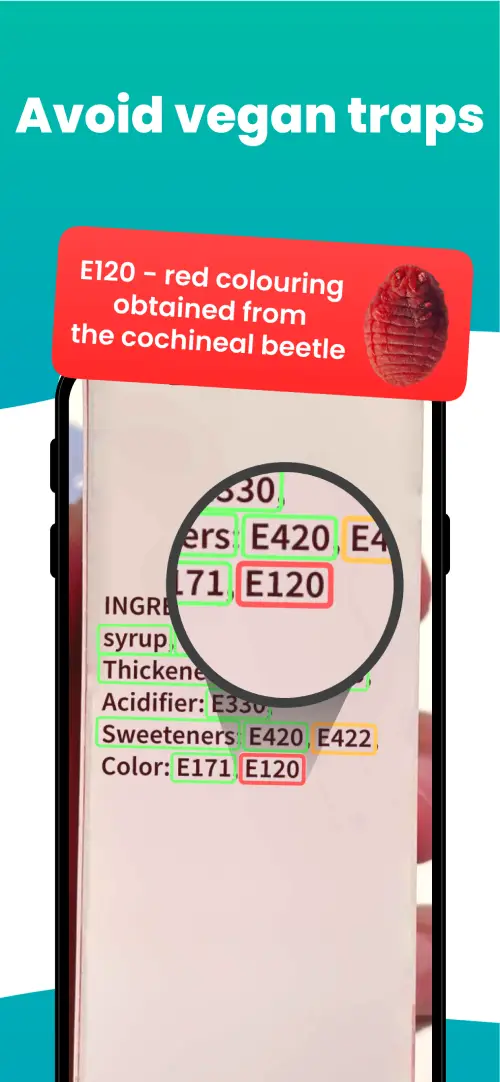
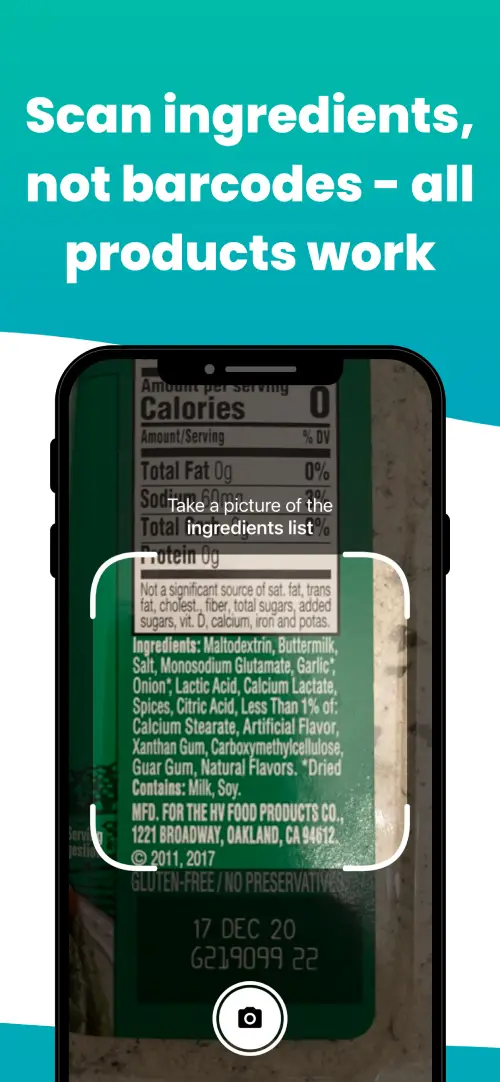
We've built a vegan ingredients scanner that classifies food ingredients as "vegan", "non-vegan", or "potentially vegan".
It allows you to avoid non-vegan ingredients - just take a picture of a product's ingredient list, and the app tells you if the product is vegan or not.



Check out other ingredients:
Is n-butyl alcohol vegan?Is ci77019 vegan?Is trimethyl siloxysilicate vegan?Is ci 15850 vegan?Is trimellitic anhydride copolymer vegan?Is red 6 lake vegan?Is neopentyl glycol vegan?Is ci77499 vegan?Is adipic acid/neopentyl glycol/trimellitic anhydride copolymer vegan?Is nitrocellulose vegan?Is butyl acetate vegan?Is ci 15880 vegan?
We'll never send you spam.