
Is trimethyl siloxysilicate vegan?
Trimethyl siloxysilicate is a vegan food ingredient.
Checking out an ingredients list? 👇
"You are amazing, this has saved me so much time when grocery shopping!"
— Austin, a user who reached out with feedback
"It's been a great tool since starting my journey! You take a pic of the nutrition/ingredients, and it'll warn you of anything questionable or not vegan. 😁"
— Ashe, a Vegan For Beginners Facebook Group member
"Use a vegan app when you go shopping, I use WhatsVegan."
— Dóra, a Vegan For Beginners Facebook Group member
So, what is trimethyl siloxysilicate?
Trimethyl Siloxysilicate: Composition, Function, and Vegan Integrity
Trimethyl siloxysilicate occupies a distinct position within ingredient formulations, valued for its unique properties that contribute to product resilience and longevity. Fundamentally, this compound is a polysiloxane, a type of synthetic polymer derived from silica. Its intricate chemical structure features a backbone of silicon and oxygen atoms, interspersed with methyl groups and end-capped with trimethylsilyl units. This precise molecular architecture is what grants it exceptional film-forming capabilities and robust water-repellency, making it an invaluable constituent in various applications where durability and environmental resistance are paramount.
The Vegan "Why": A Foundation of Purity
From an ethical standpoint, particularly for those committed to a vegan lifestyle, the provenance and purity of ingredients are paramount. Trimethyl siloxysilicate is unequivocally vegan. Its synthesis relies entirely on inorganic precursors, primarily silica—the main component of sand—and specific chemical reactions involving compounds like chlorosilanes to form its stable polymeric structure. Crucially, there are no animal-derived raw materials, byproducts, or auxiliary processing aids involved at any stage of its complex manufacture. This clarity is a significant factor for conscientious consumers, as many seemingly innocuous ingredients can, upon closer scrutiny, reveal hidden animal connections. Examples include the use of bone char for decolorizing sugars, or various animal fats and insect secretions employed as emulsifiers, stabilizers, or even processing lubricants in other industries. Trimethyl siloxysilicate presents a direct, transparent pathway to a purely synthetic, animal-free ingredient, circumventing these common ethical pitfalls.
Not a Plant, Yet Ethically Sound
While trimethyl siloxysilicate is not a plant-based alternative in the sense of being directly extracted or processed from botanical sources, its entirely synthetic origin carries a distinct ethical advantage: it never requires animal agriculture, animal exploitation, or animal-derived feedstocks. In the intricate world of ingredient sourcing, this consistency is a significant benefit, ensuring that no animals are harmed or involved in its production chain. For consumers dedicated to rigorous cruelty-free and animal-free choices, understanding that such precisely engineered compounds are intrinsically free from animal inputs offers profound peace of mind. This predictability in sourcing and manufacturing aligns perfectly with the overarching principles of animal ethics, demonstrating how scientific innovation can meet stringent ethical demands. Its existence helps formulators achieve specific, desired functional outcomes without compromising on the ethical purity and integrity of the final product.
Applications and Broader Ethical Relevance
Trimethyl siloxysilicate is widely appreciated for its ability to create a durable, flexible film and impart water resistance. This makes it a crucial component in formulations designed for longevity and resilience. While predominantly found in cosmetic products—from long-wear foundations to waterproof mascaras—its vegan status is equally relevant across the broader spectrum of consumer goods that conscientious individuals examine. The straightforward, synthetic manufacturing process ensures that no animal testing is inherent to its production, further solidifying its standing as a cruelty-free option, provided the end product also adheres to such standards. This contrasts with certain natural-derived ingredients that might necessitate animal-derived processing aids or involve ethically questionable sourcing methods. Ensuring label transparency and understanding the true origins of all components empowers consumers to confidently select products aligned with their animal welfare principles.
In the complex landscape of modern ingredients, trimethyl siloxysilicate offers a clear example of a compound that seamlessly aligns with vegan principles. Its entirely synthetic, inorganic derivation ensures a clean ethical profile, free from animal exploitation or byproducts. For individuals committed to a lifestyle free from animal-derived components, this ingredient stands as a reliable, scientifically robust choice, reinforcing the possibilities of innovation without compromising on purity or animal ethics.
How to quickly find the source of ingredients like trimethyl siloxysilicate?
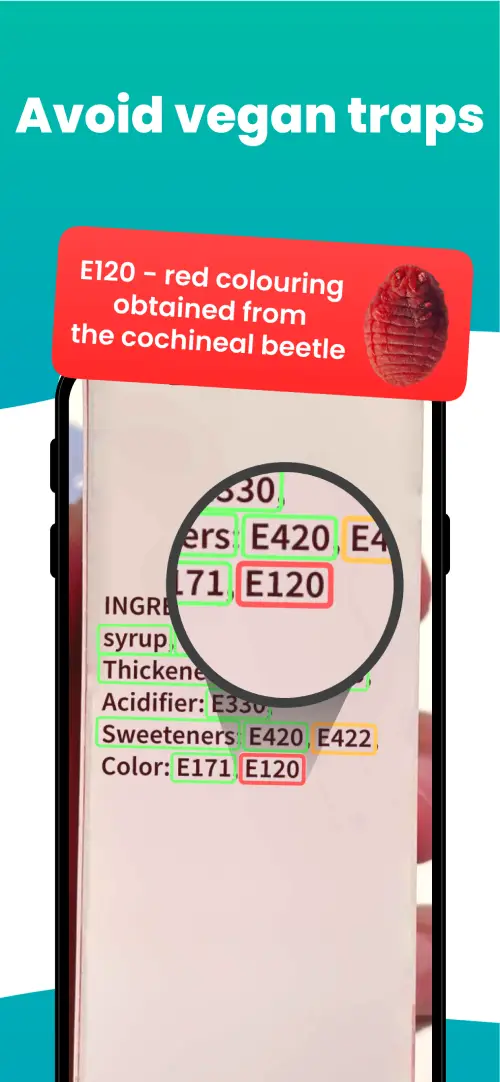
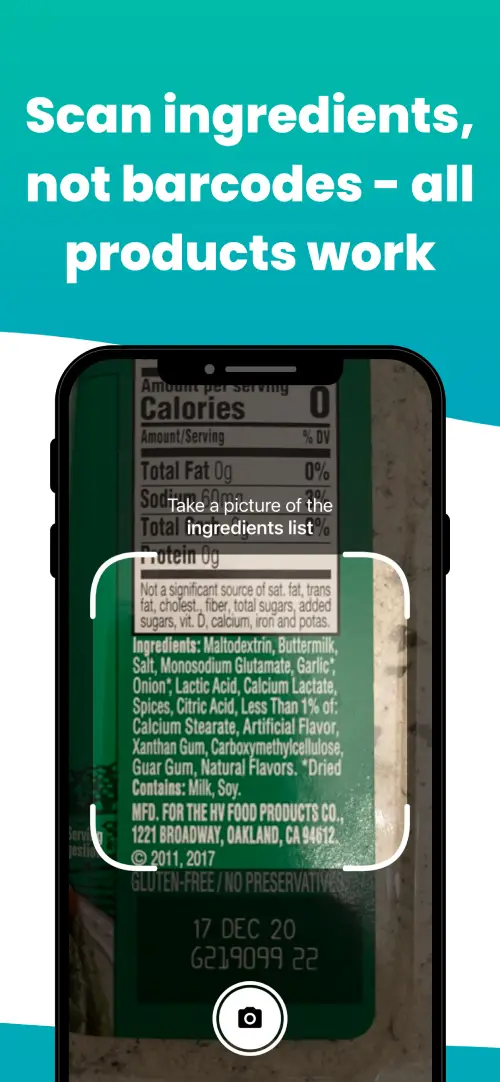
We've built a vegan ingredients scanner that classifies food ingredients as "vegan", "non-vegan", or "potentially vegan".
It allows you to avoid non-vegan ingredients - just take a picture of a product's ingredient list, and the app tells you if the product is vegan or not.



Check out other ingredients:
Is n-butyl alcohol vegan?Is isopropyl alcohol vegan?Is acrylates copolymer vegan?Is acetyl tributyl citrate vegan?Is polyvinyl butyral vegan?Is trimellitic anhydride copolymer vegan?Is trimethyl pentanediyl dibenzoate vegan?Is mica vegan?Is ci77019 vegan?Is nitrocellulose vegan?Is butyl acetate vegan?Is ci15850 vegan?
We'll never send you spam.