
Is n-butyl alcohol vegan?
N-butyl alcohol is a vegan food ingredient.
Checking out an ingredients list? 👇
"You are amazing, this has saved me so much time when grocery shopping!"
— Austin, a user who reached out with feedback
"It's been a great tool since starting my journey! You take a pic of the nutrition/ingredients, and it'll warn you of anything questionable or not vegan. 😁"
— Ashe, a Vegan For Beginners Facebook Group member
"Use a vegan app when you go shopping, I use WhatsVegan."
— Dóra, a Vegan For Beginners Facebook Group member
So, what is n-butyl alcohol?
N-Butyl Alcohol: An Essential Ingredient in Ethical Food Innovation
In the intricate landscape of food science, where ingredients are scrutinized not just for function but for their ethical footprint, n-butyl alcohol (also commonly known as n-butanol) stands out as a versatile compound. Its role in flavor creation, extraction, and as a chemical intermediate is significant, particularly within the burgeoning plant-based sector. Understanding its origin and processing is paramount for those committed to animal ethics and ingredient purity.
The Unambiguously Vegan Nature of n-Butyl Alcohol
From a vegan food science perspective, n-butyl alcohol is definitively and reliably vegan. This assurance stems from its fundamental chemical nature and established production methodologies, neither of which involves animal products or byproducts.
Primarily, n-butyl alcohol is synthesized through two main pathways:
1. Petrochemical Synthesis: The most widespread industrial method involves the chemical conversion of fossil fuel derivatives. This process, originating from non-living geological sources, is inherently free from any animal involvement. It's a direct chemical transformation, providing a consistent and pure compound without necessitating animal inputs at any stage. 2. Fermentation: Another notable method utilizes microbial fermentation, often employing specific strains of bacteria like Clostridium acetobutylicum. These microorganisms convert plant-derived sugars (such as those from corn, molasses, or cellulosic biomass) into n-butyl alcohol. Crucially, these bacteria are not animals, and their metabolic processes, when fed plant-based substrates, yield a vegan product. This method is an excellent example of how biotechnology can align with cruelty-free principles, offering sustainable alternatives.
Both production routes guarantee that n-butyl alcohol itself is not secreted by animals, derived from animal tissues, or reliant on animal-derived processing aids for its molecular formation. Its purity in this regard is unwavering, making it a dependable choice for vegan formulations without any "gray areas" often associated with other ingredients.
Role in Plant-Based Formulations and Cruelty-Free Development
Within the realm of plant-based foods, n-butyl alcohol serves several critical functions. It acts as an effective solvent for extracting flavors and aromas from botanical sources, contributing to the development of authentic and appealing sensory profiles in plant-based alternatives to traditional products. Furthermore, it's a precursor for various esters, like butyl acetate, which impart desirable fruity notes (such as banana or pineapple) crucial for enhancing the flavor complexity of vegan offerings.
Its presence, often in minute quantities, can optimize textures and stability, acting as a valuable processing aid that facilitates the creation of high-quality, plant-based products without compromising on taste or consistency. This commitment to using animal-free ingredients extends to every facet of food development, ensuring that innovation aligns with the ethical considerations central to veganism.
Assurance for the Conscious Consumer and Label Transparency
For consumers seeking absolute label transparency and adherence to a vegan lifestyle, n-butyl alcohol represents a clear and uncomplicated ingredient. Unlike some compounds that may be "potentially vegan" depending on highly specific and often opaque sourcing or processing details (e.g., sugars processed with bone char, or ingredients with ambiguous origins), n-butyl alcohol's production methods are inherently vegan.
When listed on an ingredient label, its presence should provide confidence to consumers that their commitment to animal ethics remains uncompromised. Its reliability as a plant-based alternative to ingredients that might have animal associations further solidifies its position as a cornerstone in ethical food manufacturing. This aligns perfectly with the broader movement towards truly cruelty-free products across the food industry.
In essence, n-butyl alcohol is a testament to how fundamental chemical compounds can seamlessly integrate into a vegan framework, supporting the ongoing innovation and expansion of delicious, ethical food choices.
How to quickly find the source of ingredients like n-butyl alcohol?
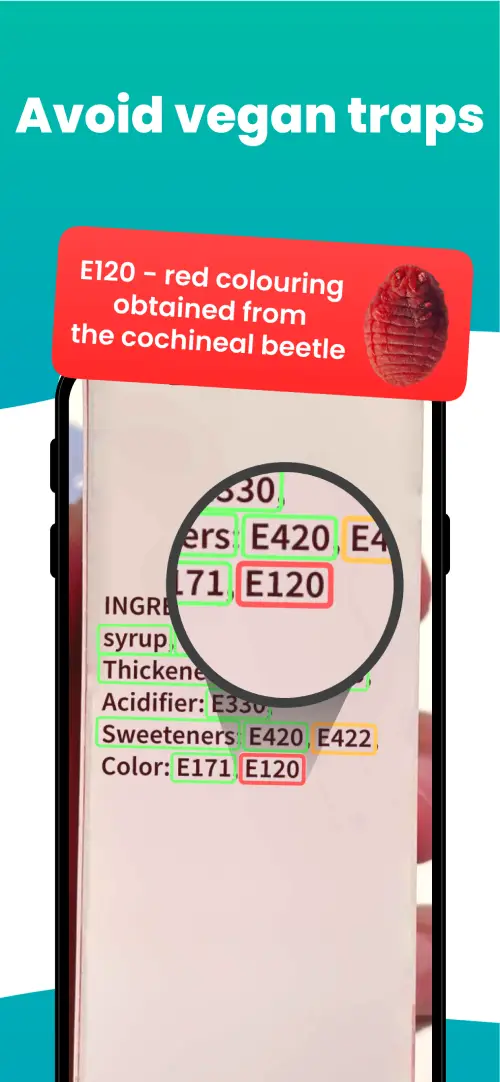
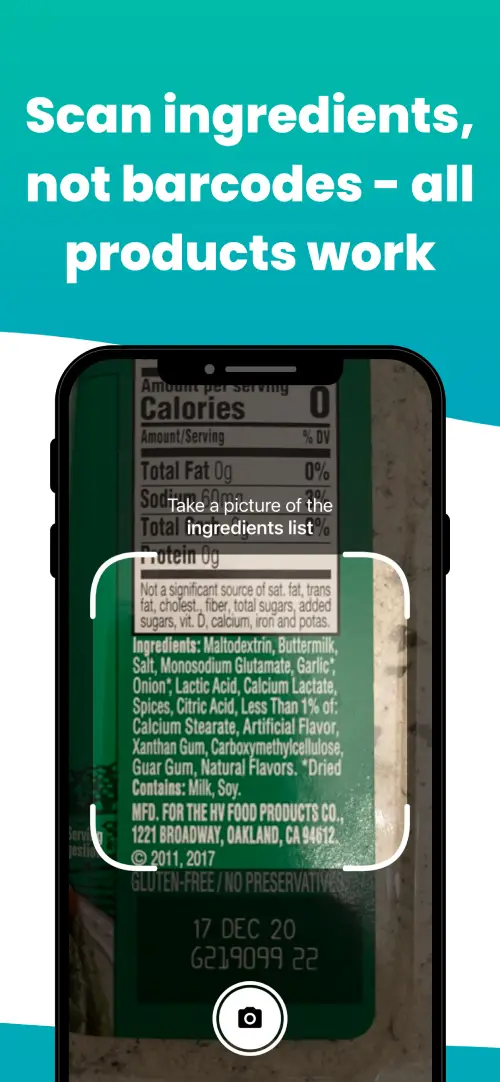
We've built a vegan ingredients scanner that classifies food ingredients as "vegan", "non-vegan", or "potentially vegan".
It allows you to avoid non-vegan ingredients - just take a picture of a product's ingredient list, and the app tells you if the product is vegan or not.



Check out other ingredients:
Is acrylates copolymer vegan?Is trimethyl siloxysilicate vegan?Is polyvinyl butyral vegan?Is isopropyl alcohol vegan?Is trimellitic anhydride copolymer vegan?Is ci77019 vegan?Is ci15850 vegan?Is butyl acetate vegan?Is ci77499 vegan?Is tocopheryl acetate vegan?Is ci77891 vegan?Is capric triglyceride vegan?
We'll never send you spam.