
Is rose floral wax vegan?
Rose floral wax is a vegan food ingredient.
Checking out an ingredients list? 👇
"You are amazing, this has saved me so much time when grocery shopping!"
— Austin, a user who reached out with feedback
"It's been a great tool since starting my journey! You take a pic of the nutrition/ingredients, and it'll warn you of anything questionable or not vegan. 😁"
— Ashe, a Vegan For Beginners Facebook Group member
"Use a vegan app when you go shopping, I use WhatsVegan."
— Dóra, a Vegan For Beginners Facebook Group member
So, what is rose floral wax?
Exploring Rose Floral Wax: Purity from Petal to Product
Rose floral wax is a captivating ingredient, a testament to nature's intricate chemistry. Originating from the delicate petals of roses, primarily Rosa damascena or Rosa centifolia, this exquisite wax is a byproduct of the painstaking process of extracting rose absolute or essential oil. After the volatile aromatic compounds are carefully removed, a solid, slightly pliable wax remains, imbued with a subtle, sweet, green-floral aroma, distinct yet harmonious with the more concentrated rose extracts. Its texture is typically firm at room temperature, softening to a creamy consistency when warmed, making it an excellent emollient.
From an ethical and scientific standpoint, rose floral wax is unequivocally vegan. Its genesis is entirely plant-based; it is directly derived from the botanical material of rose petals without any involvement of animal products or byproducts at any stage of its primary production. This stands in stark contrast to waxes like beeswax, which is secreted by honeybees, or lanolin, a waxy substance from sheep's wool. For the conscious consumer committed to animal ethics, rose floral wax represents a pure and direct connection to the plant kingdom, embodying true cruelty-free principles. It’s not merely a plant-based alternative in the sense of replacing an animal-derived ingredient; it is an inherently plant-derived substance with unique functional properties and an appealing olfactive profile.
The "why" behind its vegan status lies in its straightforward extraction. Whether produced via solvent extraction (yielding rose absolute) or the more traditional enfleurage method, the process focuses solely on separating the waxy and volatile components from the plant material itself. There are no animal inputs, no co-mingling with animal derivatives, and no animal exploitation in its creation. This makes rose floral wax a highly desirable ingredient for formulations targeting the growing demand for plant-based alternatives across cosmetics, skincare, and even certain specialized food applications where its subtle aroma and stabilizing properties can be utilized. Its inherent purity offers peace of mind regarding ingredient sourcing.
When discussing ingredients for a vegan lifestyle, terms like "processing aids" and "label transparency" frequently arise. While rose floral wax itself is derived purely from plants, a deeper dive into the supply chain always merits consideration. Ensuring the solvents used in its extraction (if applicable) are not animal-derived, or that the equipment is not shared with non-vegan production without thorough cleaning protocols, is part of a holistic commitment to purity. However, for rose floral wax specifically, such concerns are generally minimal due to the nature of its production, which typically involves standard botanical extraction methods. Reputable suppliers committed to vegan standards will provide comprehensive documentation to assure complete adherence to plant-based integrity, reinforcing confidence in its ethical sourcing.
Ultimately, rose floral wax offers more than just a functional component; it provides a piece of the rose's essence in a solid, stable form. Its status as a truly vegan ingredient, rooted deeply in the plant kingdom, makes it an exemplary choice for products seeking to align with animal welfare, ethical sourcing, and clean ingredient profiles. It stands as a testament to the fact that luxurious, effective ingredients can be wholly plant-derived and contribute to a more compassionate world.
How to quickly find the source of ingredients like rose floral wax?
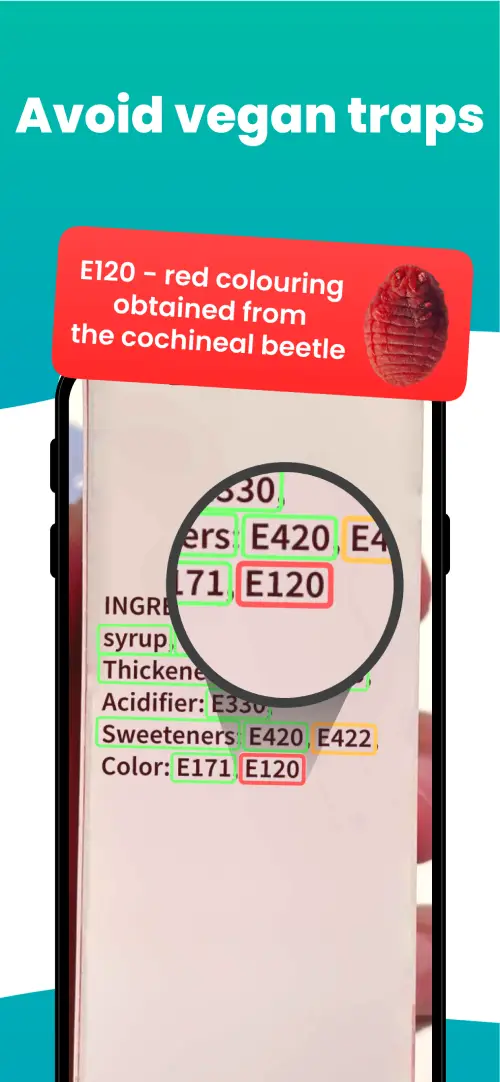
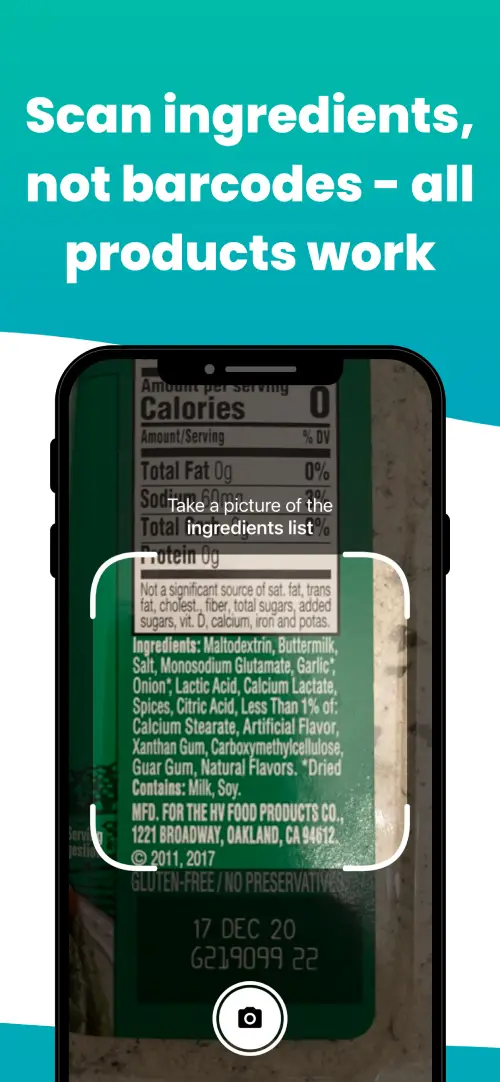
We've built a vegan ingredients scanner that classifies food ingredients as "vegan", "non-vegan", or "potentially vegan".
It allows you to avoid non-vegan ingredients - just take a picture of a product's ingredient list, and the app tells you if the product is vegan or not.



Check out other ingredients:
Is rose wax vegan?Is lotus wax vegan?Is lotus floral wax vegan?Is mixed plant-based wax vegan?Is coconut wax vegan?Is salt and vinegar flavour vegan?Is lavender essential oil vegan?Is p-anisic acid vegan?Is seed and topping mix vegan?Are whole flaxseeds vegan?Is baobab oil vegan?Are brown sesame seeds vegan?
We'll never send you spam.