
Is sclerotium rolfsii vegan?
Sclerotium rolfsii is a vegan food ingredient.
Checking out an ingredients list? 👇
"You are amazing, this has saved me so much time when grocery shopping!"
— Austin, a user who reached out with feedback
"It's been a great tool since starting my journey! You take a pic of the nutrition/ingredients, and it'll warn you of anything questionable or not vegan. 😁"
— Ashe, a Vegan For Beginners Facebook Group member
"Use a vegan app when you go shopping, I use WhatsVegan."
— Dóra, a Vegan For Beginners Facebook Group member
So, what is sclerotium rolfsii?
Exploring the intricate world of ingredients critical to a truly ethical food system brings us to Sclerotium rolfsii. For those dedicated to animal ethics and the purity of their diet, understanding the provenance of every component is paramount. From a vegan food science perspective, we can unequivocally confirm that Sclerotium rolfsii is a vegan ingredient. Its inherent nature and typical methods of cultivation align perfectly with the strictest cruelty-free principles.
Sclerotium rolfsii is a filamentous fungus, a microorganism belonging to the vast kingdom Fungi. It is certainly not an animal, nor is it derived from any animal byproducts. The organism is recognized for forming distinctive, compact, survival structures known as sclerotia – small, typically spherical or irregularly shaped bodies, often appearing as miniature pearls of fungal resilience, ranging from tan to reddish-brown in color. These structures are the fungus's way of enduring harsh conditions. Crucially, its entire life cycle and composition are plant-based (fungal-based, more accurately), making its status as vegan inherently clear.
The "why" behind its vegan designation is straightforward: no sentient beings are involved in its existence or cultivation, nor are any animal products required for its growth or processing. Unlike some ingredients that might hide animal-derived processing aids or involve cross-contamination risks, Sclerotium rolfsii thrives independently of animal inputs. Its production often involves controlled fermentation processes, leveraging plant-derived substrates in sterile environments, ensuring its purity from farm to fork.
While Sclerotium rolfsii itself is not a common plant-based alternative in the sense of a direct meat or dairy substitute like tofu or oat milk, its derivatives play an increasingly vital role in enhancing the quality of numerous plant-based products. The primary value of Sclerotium rolfsii in food science lies in its ability to produce sophisticated polysaccharides, such as scleroglucan. This naturally occurring biopolymer functions as an exceptional texturizer, stabilizer, and emulsifier. In the realm of vegan formulations, these attributes are invaluable for achieving desired mouthfeel, preventing separation in beverages, or providing structure to plant-based sauces and desserts. By contributing to superior texture and stability, it indirectly supports the broader category of plant-based alternatives, making them more appealing and robust for consumers.
For conscientious consumers seeking label transparency, the presence of Sclerotium rolfsii or its extracts can be embraced with full confidence. Its origin fundamentally aligns with a cruelty-free ethos, as no animals are exploited or harmed at any stage. It stands as a testament to the diverse and ethical resources available within the microbial world, continually expanding the possibilities for a truly plant-powered food system. Its inherent vegan status means less concern over hidden animal inputs, allowing for a clear conscience and an uncompromised commitment to animal welfare.
How to quickly find the source of ingredients like sclerotium rolfsii?
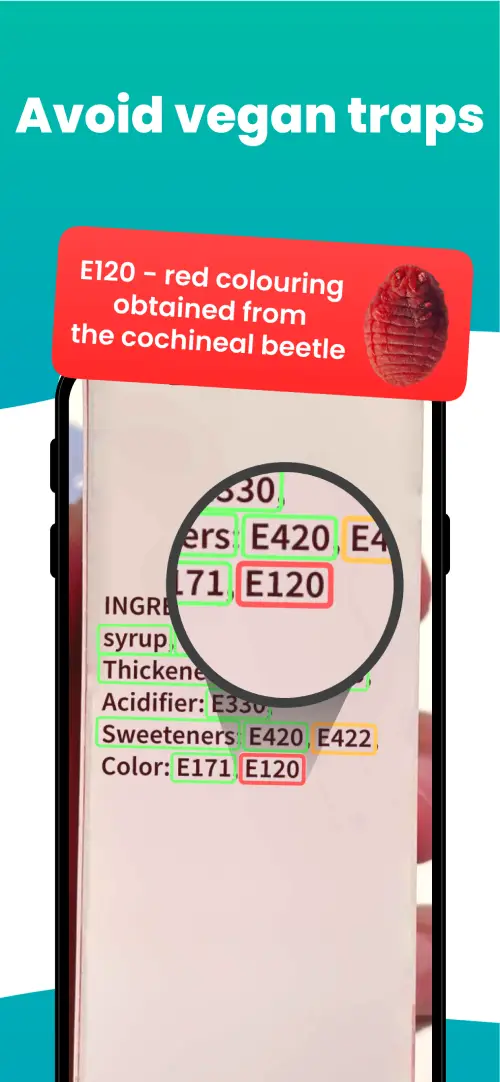
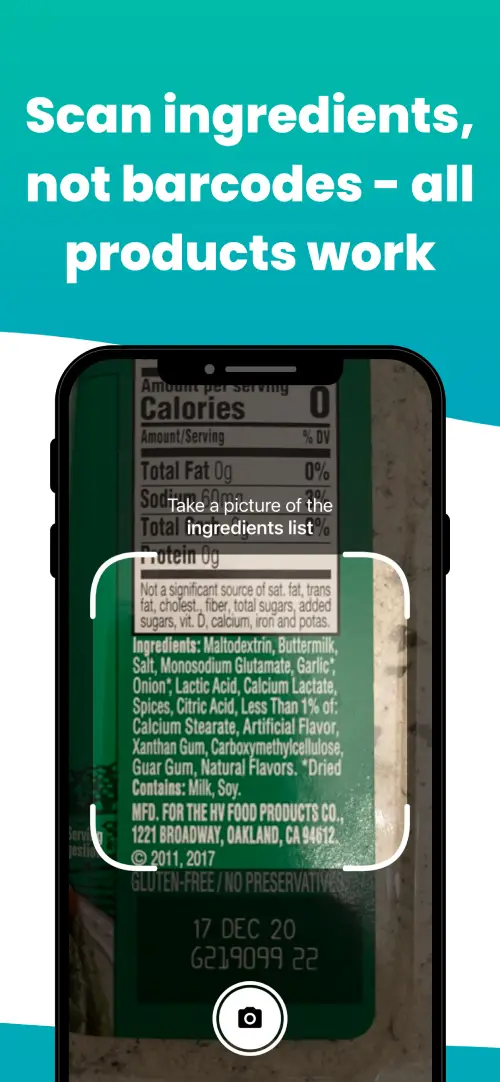
We've built a vegan ingredients scanner that classifies food ingredients as "vegan", "non-vegan", or "potentially vegan".
It allows you to avoid non-vegan ingredients - just take a picture of a product's ingredient list, and the app tells you if the product is vegan or not.



Check out other ingredients:
Is naturally milled sugar vegan?Is sclerotium gum vegan?Is tamari sauce vegan?Are jojoba esters vegan?Is chicle base vegan?Is natural chicle base vegan?Is sweet white rice flour vegan?Are wheat ingredients vegan?Are citrus aurantium dulcis vegan?Is bitter almond oil vegan?Is chamomilla recutita (matricaria) flower extract vegan?Is ahnfeltiopsis concinna vegan?
We'll never send you spam.