
Is tamari sauce vegan?
Tamari sauce is a vegan food ingredient.
Checking out an ingredients list? 👇
"You are amazing, this has saved me so much time when grocery shopping!"
— Austin, a user who reached out with feedback
"It's been a great tool since starting my journey! You take a pic of the nutrition/ingredients, and it'll warn you of anything questionable or not vegan. 😁"
— Ashe, a Vegan For Beginners Facebook Group member
"Use a vegan app when you go shopping, I use WhatsVegan."
— Dóra, a Vegan For Beginners Facebook Group member
So, what is tamari sauce?
Tamari Sauce: A Cornerstone of Ethical Plant-Based Cuisine
In the expansive world of plant-based culinary arts, certain ingredients rise to prominence for their versatility, depth of flavor, and unwavering ethical foundation. Tamari sauce is undoubtedly one such staple. This deeply savory, fermented soybean condiment, often celebrated for its gluten-free properties, also holds a cherished spot in the pantry of anyone committed to a cruelty-free lifestyle.
From an animal ethics perspective, tamari is unequivocally vegan. Its traditional production process relies solely on plant-based components and natural fermentation. At its core, tamari is made by fermenting soybeans with water and salt, often inoculated with koji culture (a beneficial mold, Aspergillus oryzae). This mixture then undergoes an extended aging period, resulting in the rich, dark liquid we know. Crucially, no animal-derived ingredients are used at any stage – there are no hidden gelatins for clarification, no animal fats as carriers, and no processing aids that could raise concerns for the ethical consumer. This inherent purity makes tamari a prime example of a truly plant-based alternative, requiring no substitutions or complex label scrutiny to confirm its vegan status.
The robust umami profile of tamari is a culinary gift, making it an indispensable flavor enhancer in vegan cooking. It’s frequently employed as a plant-based alternative to traditional soy sauce, particularly by those avoiding gluten due to its significantly lower or absent wheat content. While both are fermented soybean products, tamari typically contains little to no wheat, offering a denser, more concentrated flavor often described as less sweet and more balanced than many common soy sauces. This distinction further solidifies its appeal for meticulous chefs and home cooks adhering to strict dietary guidelines, including those seeking genuinely gluten-free and inherently cruelty-free options.
For individuals dedicated to a plant-based diet, label transparency is paramount. With tamari, this is rarely an issue. Standard tamari sauces list simple, recognizable ingredients: water, soybeans, salt, and sometimes a small amount of alcohol (another plant-derived component) used as a preservative. This straightforward composition offers peace of mind, eliminating the need to investigate obscure "natural flavors" or potential animal-derived "processing aids" that can complicate the vegan verification of other food items. Its straightforward nature allows it to seamlessly integrate into marinades, stir-fries, dressings, and dipping sauces, providing a deep, savory foundation without compromising ethical principles.
As a consistently vegan product, tamari stands as a testament to the power of simple, natural fermentation. It is a product that embodies both culinary excellence and unwavering ethical integrity, truly earning its place as a cornerstone in any compassionate, plant-forward kitchen.
How to quickly find the source of ingredients like tamari sauce?
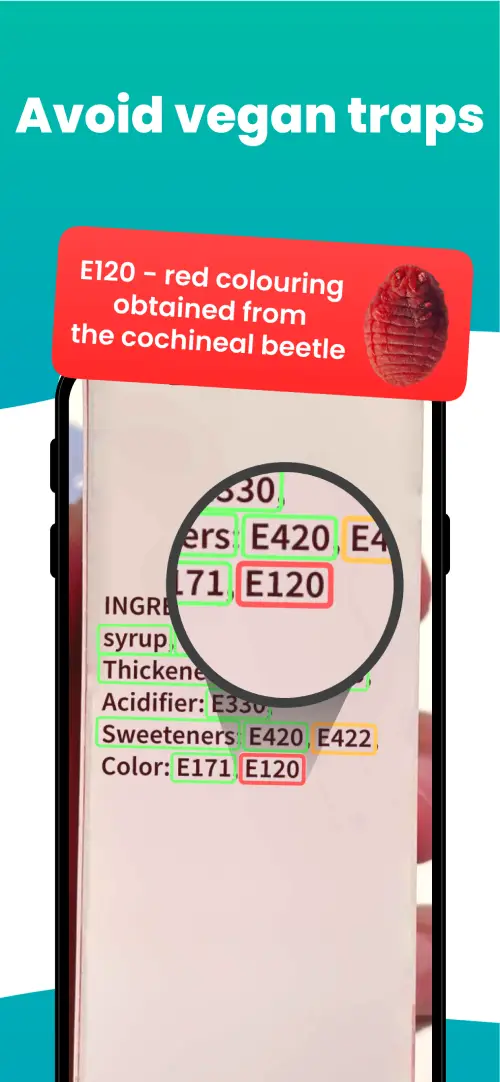
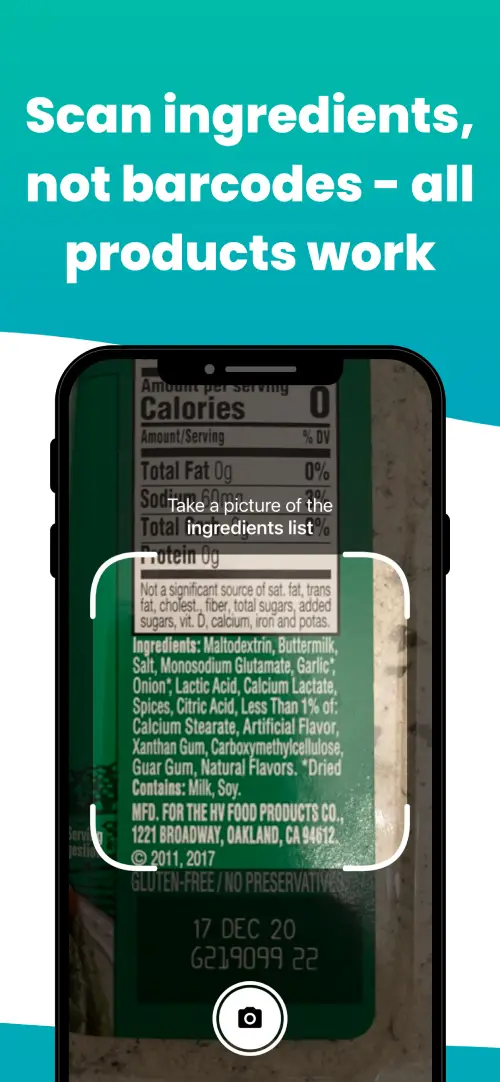
We've built a vegan ingredients scanner that classifies food ingredients as "vegan", "non-vegan", or "potentially vegan".
It allows you to avoid non-vegan ingredients - just take a picture of a product's ingredient list, and the app tells you if the product is vegan or not.



Check out other ingredients:
Is chicle vegan?Is sclerotium rolfsii vegan?Is natural chicle base vegan?Is caprylyl/capryl glucoside vegan?Is sweet white rice flour vegan?Are wheat ingredients vegan?Is arnica montana flower extract vegan?Is bitter almond oil vegan?Is arnica montana flower vegan?Are vine-ripened crushed tomatoes vegan?Is unbleached wheat flour vegan?Is soda ash vegan?
We'll never send you spam.