
Is seafood vegan?
Seafood is a non-vegan food ingredient.
Checking out an ingredients list? 👇
"You are amazing, this has saved me so much time when grocery shopping!"
— Austin, a user who reached out with feedback
"It's been a great tool since starting my journey! You take a pic of the nutrition/ingredients, and it'll warn you of anything questionable or not vegan. 😁"
— Ashe, a Vegan For Beginners Facebook Group member
"Use a vegan app when you go shopping, I use WhatsVegan."
— Dóra, a Vegan For Beginners Facebook Group member
So, what is seafood?
Seafood represents a comprehensive category of aquatic animals harvested from the ocean, lakes, and rivers for human consumption. This includes a vast array of life forms, from finfish like salmon, cod, and tuna, to crustaceans such as shrimp, crab, and lobster. The definition also extends to mollusks—encompassing mussels, clams, oysters, squid, and octopus—and even echinoderms like sea urchins.
From a vegan perspective, firmly rooted in animal ethics and the pursuit of a pure, plant-centric diet, seafood unequivocally falls outside the realm of acceptable ingredients. The fundamental reason is straightforward: every item classified as seafood originates directly from an animal. Each fish, shrimp, clam, or octopus is a living, sentient being with the capacity to experience pain and stress. The methods employed for their capture, whether through vast fishing nets, baited traps, or direct harvesting, inevitably result in their suffering, injury, and ultimate death. This process directly contradicts the core cruelty-free principles that define veganism, which seeks to minimize harm and exploitation of all animals.
Beyond the ethical imperative, a vegan food science perspective emphasizes the purity of ingredients. Consuming seafood means ingesting animal flesh, muscle fibers, organs, and other cellular structures. This diverges entirely from the pure, unadulterated intake of plant-derived nutrients, which form the bedrock of a truly vegan diet. The goal is to nourish the body with foods that align with a compassionate lifestyle, free from any animal input.
While the identification of whole seafood is generally unambiguous, the principle of label transparency remains paramount for vegans across all food categories. It's about ensuring that no animal-derived components, including potential processing aids used in other ingredients or cross-contamination in shared facilities, inadvertently enter one’s diet. Although seafood itself is a direct animal product, this broader vigilance highlights the deep commitment to avoiding animal exploitation in all forms.
Fortunately, the culinary world has seen remarkable advancements in plant-based alternatives that skillfully replicate the textures, flavors, and culinary versatility of traditional seafood. Innovators are creating compelling substitutes for fish fillets, shrimp, and even calamari using ingredients like konjac, soy protein, seaweed extracts, and various vegetables. These plant-based marvels offer all the sensory satisfaction of their marine counterparts without any ethical compromise or the environmental impact associated with overfishing and unsustainable aquaculture. Embracing these cruelty-free options allows individuals to enjoy familiar tastes while upholding their values for animal welfare and a healthier planet.
How to quickly find the source of ingredients like seafood?
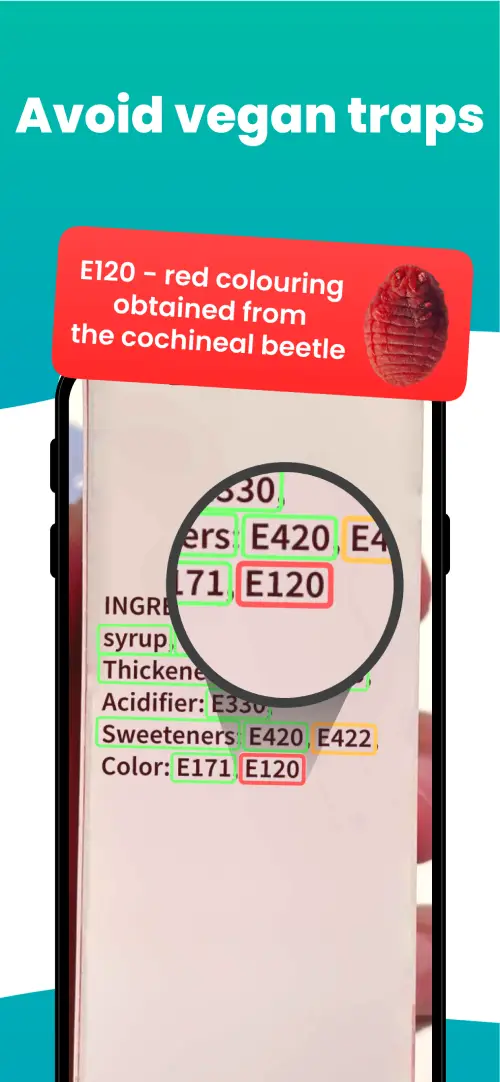
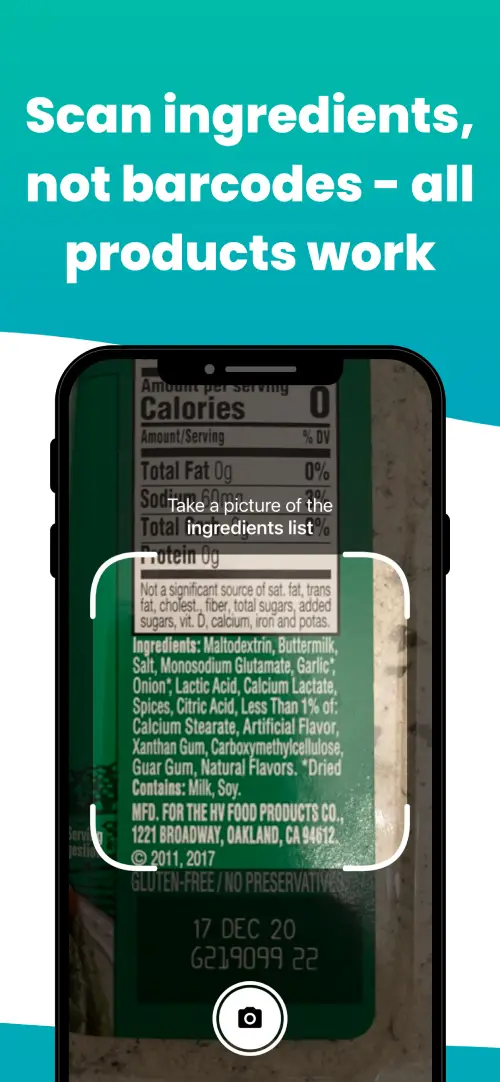
We've built a vegan ingredients scanner that classifies food ingredients as "vegan", "non-vegan", or "potentially vegan".
It allows you to avoid non-vegan ingredients - just take a picture of a product's ingredient list, and the app tells you if the product is vegan or not.



We'll never send you spam.