
Is estradiol vegan?
Estradiol is a non-vegan food ingredient.
Checking out an ingredients list? 👇
"You are amazing, this has saved me so much time when grocery shopping!"
— Austin, a user who reached out with feedback
"It's been a great tool since starting my journey! You take a pic of the nutrition/ingredients, and it'll warn you of anything questionable or not vegan. 😁"
— Ashe, a Vegan For Beginners Facebook Group member
"Use a vegan app when you go shopping, I use WhatsVegan."
— Dóra, a Vegan For Beginners Facebook Group member
So, what is estradiol?
Understanding Estradiol: A Deeper Look
Estradiol, a potent form of estrogen, is a naturally occurring steroid hormone critical for regulating reproductive and sexual functions in humans and many other vertebrates. It plays a vital role in the menstrual cycle, pregnancy, and bone health, and is widely utilized in hormone replacement therapies, oral contraceptives, and certain medical treatments. For those committed to a vegan lifestyle, understanding the origins and ethical implications of such ingredients is paramount.
The Inherent Non-Vegan Nature of Estradiol
From an ethical and purity standpoint, estradiol is unequivocally not vegan. The primary historical and still common source for pharmaceutical-grade estrogenic compounds, including estradiol, has been derived directly from animal products. Specifically, a significant portion has been extracted from the urine of pregnant mares, a practice that underpins the well-known pharmaceutical Premarin (Pregnant Mare’s Urine).
This method of extraction involves the confinement of mares in stalls for prolonged periods, often tethered, to facilitate the collection of their urine. These mares are subjected to repeated pregnancies solely for the purpose of hormone harvesting. The foals resulting from these pregnancies are often considered byproducts, frequently sold off or sent to slaughter, creating a cycle of animal exploitation that deeply conflicts with cruelty-free principles. This direct involvement of animal suffering and byproduct creation renders estradiol, when sourced this way, irreconcilable with vegan ethics.
Synthetic Estradiol: An Ethical Conundrum
While advancements in pharmaceutical chemistry have led to the synthesis of estradiol from plant sterols—compounds found in plants like soy or wild yams—this does not automatically qualify it as vegan. Even when the initial precursor is plant-based, the complex multi-step chemical synthesis process can sometimes involve non-vegan processing aids. More significantly, virtually all pharmaceutical drugs, including synthetic estradiol, undergo extensive animal testing during their development and regulatory approval phases. This inherent reliance on animal experimentation, a practice that inflicts suffering and harm on countless animals, means that even synthetically produced estradiol cannot truly be considered cruelty-free or aligned with a vegan ethos of non-exploitation. The very identity of the molecule, mimicking an animal hormone, can also be a point of concern for some who prioritize purity and a complete disassociation from animal biology.
Navigating Label Transparency and Alternatives
For the conscientious consumer, navigating ingredient labels can be challenging, as the specific origin (animal-derived vs. synthetic, and potential processing aids) of estradiol is not always disclosed. This lack of label transparency underscores the need for thorough due diligence and direct inquiries with manufacturers when possible.
It's important to distinguish estradiol from "plant-based alternatives" in the nutritional sense. While phytoestrogens (plant compounds like isoflavones in soy) can mimic some of the effects of estrogen in the body, they are not bio-identical estradiol and serve different functional roles. Therefore, when estradiol itself is the active ingredient, there isn't a direct "plant-based alternative" that is chemically identical and ethically uncompromised. For those seeking true cruelty-free options, it is essential to avoid products containing estradiol unless explicit and verifiable assurances of ethical sourcing, completely free from animal exploitation and testing, can be provided—a rarity in current pharmaceutical manufacturing.
How to quickly find the source of ingredients like estradiol?
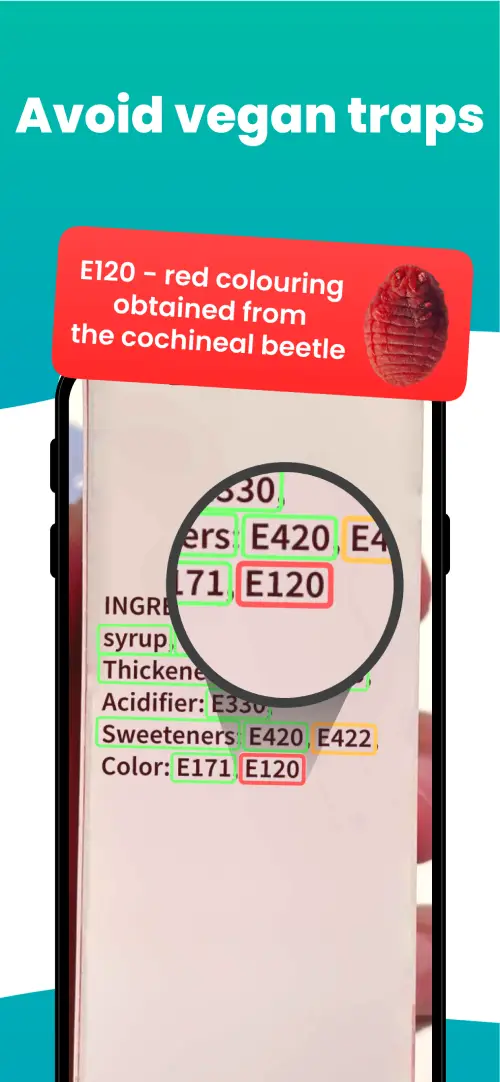
We've built a vegan ingredients scanner that classifies food ingredients as "vegan", "non-vegan", or "potentially vegan".
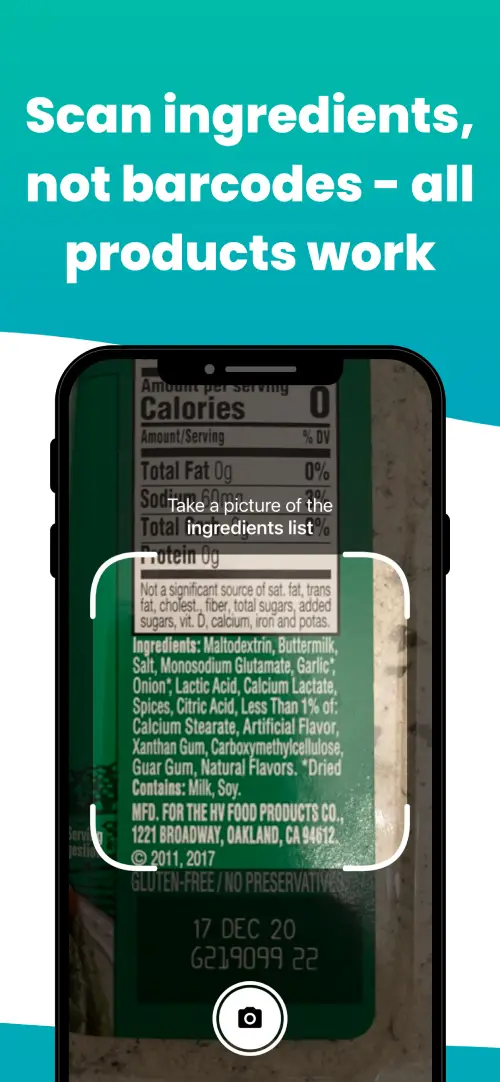
It allows you to avoid non-vegan ingredients - just take a picture of a product's ingredient list, and the app tells you if the product is vegan or not.



We'll never send you spam.