
Is sodium c14-16 olefin sulfonate vegan?
Sodium c14-16 olefin sulfonate is a vegan food ingredient.
Checking out an ingredients list? 👇
"You are amazing, this has saved me so much time when grocery shopping!"
— Austin, a user who reached out with feedback
"It's been a great tool since starting my journey! You take a pic of the nutrition/ingredients, and it'll warn you of anything questionable or not vegan. 😁"
— Ashe, a Vegan For Beginners Facebook Group member
"Use a vegan app when you go shopping, I use WhatsVegan."
— Dóra, a Vegan For Beginners Facebook Group member
So, what is sodium c14-16 olefin sulfonate?
Sodium C14-16 Olefin Sulfonate: A Pillar of Ethical Formulation
Navigating ingredient lists can be a complex endeavor for anyone committed to animal ethics and a truly vegan lifestyle. Amidst the myriad of compounds, understanding the origin and processing of each component is paramount. Sodium C14-16 Olefin Sulfonate, often abbreviated as SCOS, is an ingredient that stands firm in its vegan credentials, offering clarity and peace of mind for consumers and formulators alike.
SCOS is a synthetic surfactant, meaning its primary function is to lower the surface tension of liquids, making them more effective at wetting, cleansing, and foaming. Unlike many historical or traditional surfactants that often relied on animal fats (tallow) or other animal byproducts, SCOS is derived from petroleum-based feedstocks. Specifically, it's manufactured through the sulfonation of alpha olefins, which are hydrocarbons typically sourced from crude oil. This purely synthetic pathway ensures that no animal components are involved at any stage of its production, from raw material sourcing to the final refined compound.
From an animal ethics perspective, the synthetic origin of SCOS is its defining characteristic. It represents a conscious development in chemistry that circumvents the need for animal exploitation entirely. For brands striving for true cruelty-free status, SCOS is a robust option, as its manufacturing does not involve animal testing nor does it necessitate the use of animal-derived ingredients. This makes it a reliable choice for products explicitly labeled "vegan" and those adhering to stringent ethical guidelines.
While not a "plant-based alternative" in the sense of being directly derived from botanicals, SCOS plays a crucial role within the broader landscape of plant-based product development. Its efficacy as a high-performing surfactant means formulators are not compelled to seek out potentially ethically ambiguous animal-derived options. Instead, they can reliably integrate SCOS into otherwise plant-based formulations for shampoos, body washes, facial cleansers, and even some household cleaning products, ensuring the final consumer product aligns with vegan principles. This commitment to purely synthetic sourcing in such a functional ingredient is a significant factor in promoting label transparency and fostering consumer trust.
The purity of SCOS for vegan applications extends beyond its initial sourcing. Its chemical synthesis typically involves well-controlled industrial processes, minimizing the risk of cross-contamination with animal-derived substances often associated with multi-purpose manufacturing facilities. While processing aids are always a consideration in any industrial synthesis, the nature of SCOS production is generally free from the common animal-derived processing aids that can sometimes taint other ingredients. However, diligent manufacturers will always confirm the vegan status of all inputs and processing aids in their supply chain.
In conclusion, Sodium C14-16 Olefin Sulfonate is a transparently vegan ingredient. Its purely synthetic origin from petroleum feedstocks makes it a dependable choice for ethical brands and consumers. By choosing SCOS, formulators can confidently create effective, high-quality products that uphold the highest standards of animal welfare and ingredient purity, solidifying its place as a cornerstone in the expanding market for cruelty-free and vegan formulations.
How to quickly find the source of ingredients like sodium c14-16 olefin sulfonate?
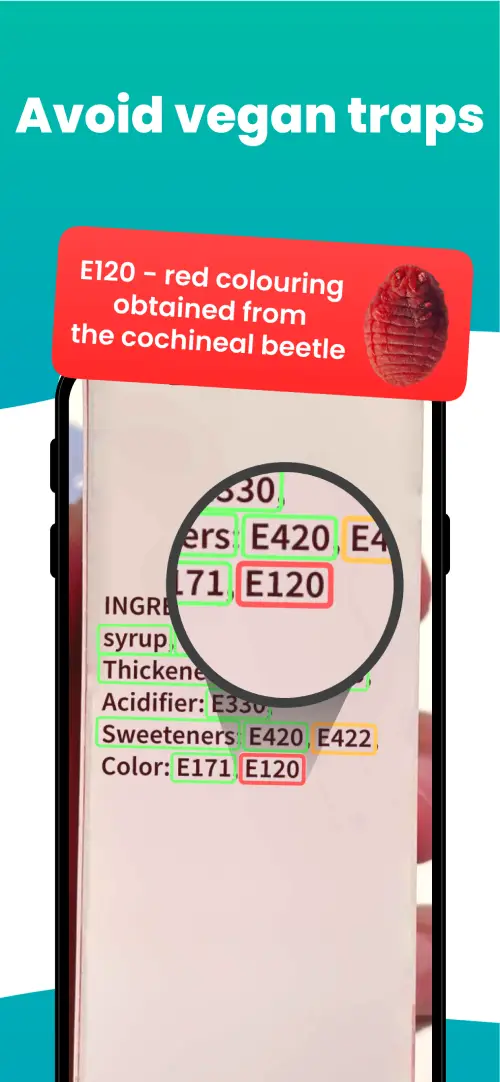
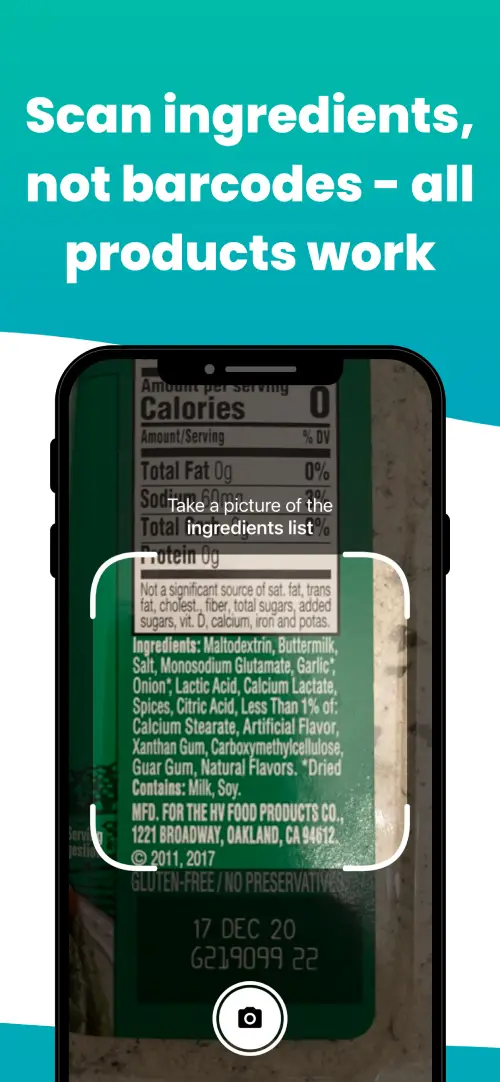
We've built a vegan ingredients scanner that classifies food ingredients as "vegan", "non-vegan", or "potentially vegan".
It allows you to avoid non-vegan ingredients - just take a picture of a product's ingredient list, and the app tells you if the product is vegan or not.



Check out other ingredients:
Is sodium c14-18 olefin sulfonate vegan?Is sodium c12-14 olefin sulfonate vegan?Is sodium c16-18 olefin sulfonate vegan?Is tuberose vegan?Are botanical infusion of salvia officinalis vegan?Is phenoxyethanol vegan?Are infusion of salvia officinalis vegan?Are citrus grandis vegan?Are salvia officinalis vegan?Is salvia officinalis infusion vegan?Is sage vegan?Is tussilago farfara vegan?
We'll never send you spam.