
Is sodium laureth sulfate vegan?
Sodium laureth sulfate is a vegan food ingredient.
Checking out an ingredients list? 👇
"You are amazing, this has saved me so much time when grocery shopping!"
— Austin, a user who reached out with feedback
"It's been a great tool since starting my journey! You take a pic of the nutrition/ingredients, and it'll warn you of anything questionable or not vegan. 😁"
— Ashe, a Vegan For Beginners Facebook Group member
"Use a vegan app when you go shopping, I use WhatsVegan."
— Dóra, a Vegan For Beginners Facebook Group member
So, what is sodium laureth sulfate?
Sodium Laureth Sulfate (SLES) occupies a unique and often misunderstood position within the ingredient landscape, especially for those committed to a vegan lifestyle. Primarily recognized as an anionic surfactant, SLES is a workhorse in personal care products, responsible for creating that satisfying lather and effectively lifting dirt and oils. Its efficacy and widespread use make it a staple in formulations, but its vegan status hinges entirely on the origin of its foundational components.
Chemically, SLES is an ethoxylated alcohol sulfate. The "alcohol" in question is typically lauryl alcohol, which is then ethoxylated (reacted with ethylene oxide) and subsequently sulfated. This multi-step chemical transformation yields the clear, viscous liquid we know as SLES, a compound renowned for its excellent foaming and emulsifying properties.
The definitive vegan status of SLES stems from the sourcing of its precursor, lauryl alcohol. Lauryl alcohol can be synthetically derived from petrochemicals, but increasingly, and especially within ethically conscious manufacturing, it is sourced from plant-based oils. Coconut oil and palm kernel oil are the most common botanical origins for the fatty alcohols used in SLES production. When the lauryl alcohol is extracted from these plant sources, the resulting SLES is entirely free from animal-derived ingredients or byproducts. This makes it a go-to choice for formulators seeking high-performing, plant-derived surfactant systems.
For the vegan consumer, this distinction is paramount. Our commitment to animal ethics and purity extends to every link in the supply chain. Knowing that the base fatty alcohol originates from botanical sources assures that no animals or their derivatives have contributed to the ingredient's creation. This commitment to plant-based alternatives is a driving force behind many manufacturers' ingredient selections, aiming for full label transparency that aligns with cruelty-free principles. While SLES itself is a synthetic compound, its foundational raw materials can be, and often are, purely plant-derived.
It’s crucial, however, to differentiate between an ingredient's vegan status and the ethical practices surrounding its production. While plant-derived SLES is unequivocally vegan, responsible sourcing of palm kernel oil, for instance, remains a critical consideration due to environmental impacts like deforestation and habitat loss. Many brands now actively seek RSPO-certified palm derivatives to address these broader ethical concerns. Furthermore, an ingredient being vegan does not automatically mean the final product is cruelty-free; this designation requires a verified absence of animal testing at any stage of development.
In essence, when a manufacturer specifies that their SLES is plant-derived, it stands as a truly vegan ingredient, fitting seamlessly into an animal-free product formulation. The industry's growing capacity to utilize renewable plant resources for such key ingredients is a positive step towards aligning technological innovation with ethical consumption.
How to quickly find the source of ingredients like sodium laureth sulfate?
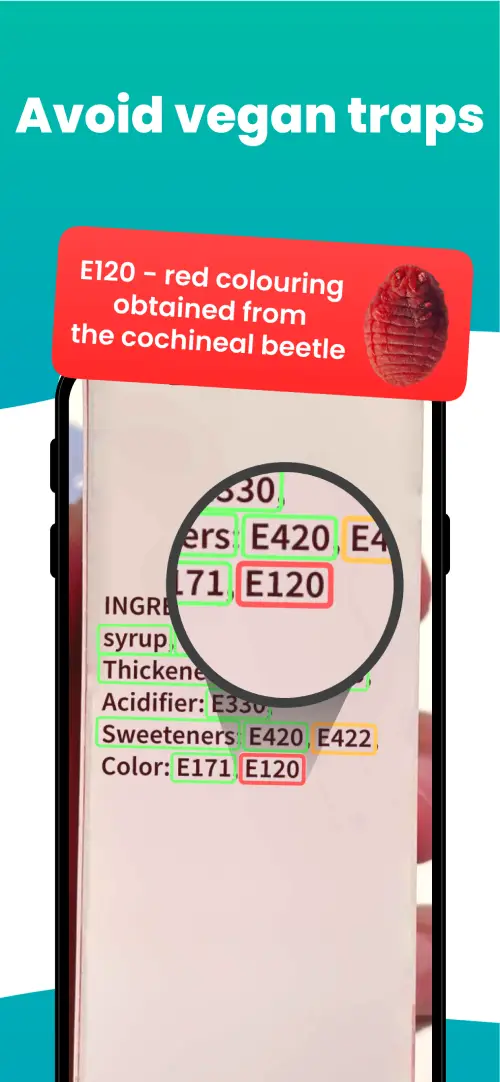
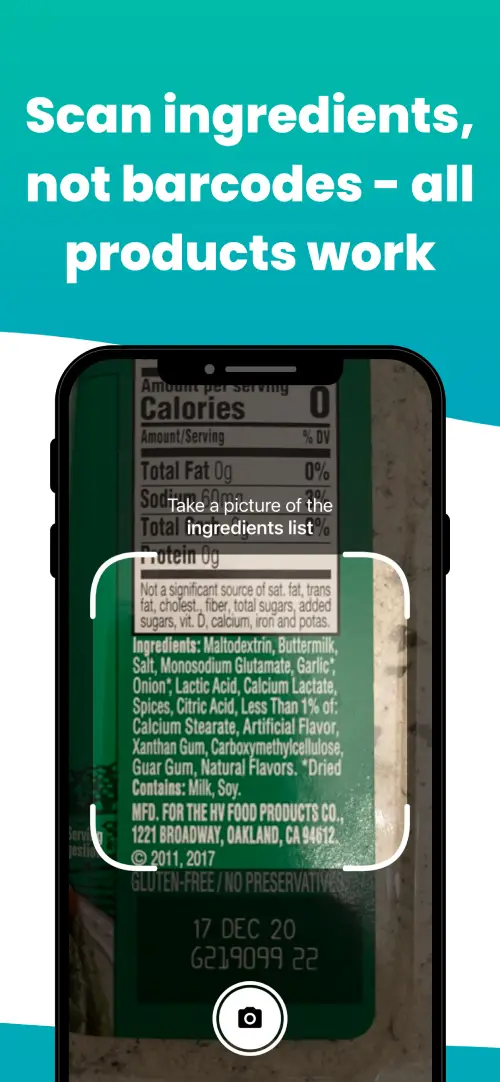
We've built a vegan ingredients scanner that classifies food ingredients as "vegan", "non-vegan", or "potentially vegan".
It allows you to avoid non-vegan ingredients - just take a picture of a product's ingredient list, and the app tells you if the product is vegan or not.



Check out other ingredients:
Is cocoamidopropyl betaine vegan?Is sodium peg-7 olive oil carboxylate vegan?Are peg-6 caprylic/capric glycerides vegan?Is medicago sativa leaf extract vegan?Is melilotus officinalis flower extract vegan?Is peg-40/ppg-8 methyl amino propyl/dimethicone copolymer vegan?Is propylene glycol vegan?Is c12-15 pareth-9 vegan?Is d-limonene benxoic acid vegan?Is sodium caproyl/lauroyl lactylate vegan?Is butylphenyl methylpropional vegan?Is sulfur vegan?
We'll never send you spam.