
Is sodium caproyl/lauroyl lactylate vegan?
Sodium caproyl/lauroyl lactylate is a vegan food ingredient.
Checking out an ingredients list? 👇
"You are amazing, this has saved me so much time when grocery shopping!"
— Austin, a user who reached out with feedback
"It's been a great tool since starting my journey! You take a pic of the nutrition/ingredients, and it'll warn you of anything questionable or not vegan. 😁"
— Ashe, a Vegan For Beginners Facebook Group member
"Use a vegan app when you go shopping, I use WhatsVegan."
— Dóra, a Vegan For Beginners Facebook Group member
So, what is sodium caproyl/lauroyl lactylate?
Sodium caproyl/lauroyl lactylate (SCLL) stands as a notable emulsifier and texturizing agent within the expansive landscape of modern food science. For those navigating dietary choices rooted in animal ethics, understanding the provenance and composition of such ingredients is paramount. Fortunately, SCLL is unequivocally a vegan ingredient, offering invaluable functional benefits without compromising the principles of a plant-based lifestyle.
At its core, SCLL is an ester formed from lactic acid and a blend of caproic and lauric fatty acids, neutralized with sodium. The "vegan" classification hinges entirely on the source of these precursor molecules. Historically, lactic acid could be produced from lactose, a sugar found in milk. However, the vast majority of industrially produced lactic acid today, especially that intended for food applications and certainly for vegan-certified products, is derived through the fermentation of plant-based sugars. This includes glucose from corn starch, cane sugar, or beet sugar. This microbial fermentation process ensures that the lactic acid component is entirely free from animal inputs, aligning perfectly with purity standards.
Similarly, the caproic (C6) and lauric (C12) fatty acids are sourced from vegetable oils. Common origins include coconut oil and palm kernel oil, both rich in these specific medium-chain triglycerides. These fatty acids are extracted, purified, and then esterified with the plant-derived lactic acid. The subsequent neutralization with sodium yields the functional sodium caproyl/lauroyl lactylate. This meticulous sourcing from botanical origins ensures that no animal fats or byproducts are involved at any stage of its production, making it a truly cruelty-free component.
As a versatile processing aid, SCLL plays a crucial role in enhancing the sensory attributes and stability of plant-based foods. Its amphiphilic nature, possessing both water-loving and oil-loving properties, makes it an excellent emulsifier. In vegan baking, it acts as a dough conditioner, strengthening gluten structures in wheat-based products or providing similar resilience in gluten-free formulations. This results in improved volume, finer crumb texture, and increased softness in breads and pastries, characteristics often challenging to achieve consistently in vegan recipes. Beyond baking, it contributes to the smooth, creamy consistency of plant-based dairy alternatives and aerated desserts, preventing phase separation and extending shelf life.
The clear vegan status of sodium caproyl/lauroyl lactylate makes it a trusted "plant-based alternative" to emulsifiers that might otherwise have ambiguous or animal-derived origins, such as some mono- and diglycerides. For manufacturers committed to "label transparency" and meeting the demands of the growing vegan market, ingredients like SCLL are indispensable. Its consistent plant-based sourcing allows brands to confidently declare "cruelty-free" status for their products, assuring consumers that their ethical considerations are respected at every ingredient level.
In sum, sodium caproyl/lauroyl lactylate is a testament to the advancements in vegan food science. Its sophisticated chemical structure, built entirely from plant-derived components and produced through ethical fermentation processes, positions it as an essential and reliable ingredient. It empowers innovators to craft plant-based foods with superior texture, stability, and sensory appeal, all while upholding the stringent animal ethics and purity sought by the vegan community.
How to quickly find the source of ingredients like sodium caproyl/lauroyl lactylate?
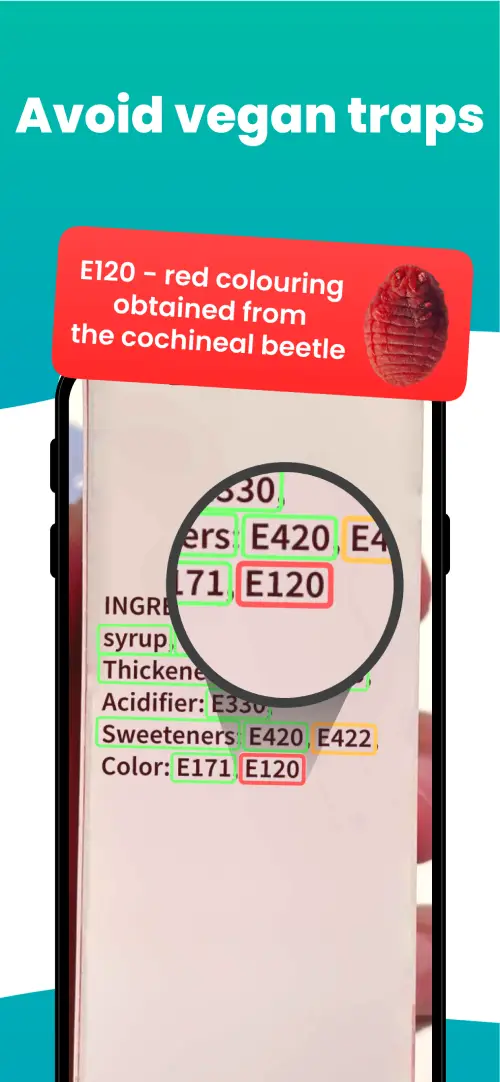
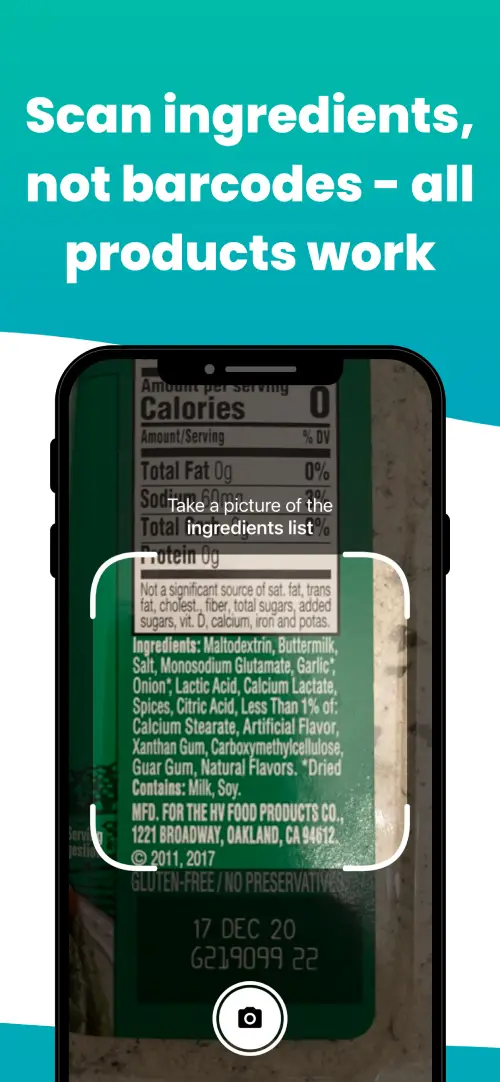
We've built a vegan ingredients scanner that classifies food ingredients as "vegan", "non-vegan", or "potentially vegan".
It allows you to avoid non-vegan ingredients - just take a picture of a product's ingredient list, and the app tells you if the product is vegan or not.



Check out other ingredients:
Is hydroxypropyl trimonium chloride vegan?Is cocoamide mipa vegan?Is peg-120 methyl glucose dioleate vegan?Is tetra sodium edta vegan?Are peg-6 caprylic/capric glycerides vegan?Is sodium laureth sulfate vegan?Is buthylphenyl methyl propional vegan?Is pca vegan?Is humulus lupulus flower extract vegan?Is de chocolat au vegan?Is graines du lin jaune vegan?Is artificial caramel flavor vegan?
We'll never send you spam.