
Is buthylphenyl methyl propional vegan?
Buthylphenyl methyl propional is a vegan food ingredient.
Checking out an ingredients list? 👇
"You are amazing, this has saved me so much time when grocery shopping!"
— Austin, a user who reached out with feedback
"It's been a great tool since starting my journey! You take a pic of the nutrition/ingredients, and it'll warn you of anything questionable or not vegan. 😁"
— Ashe, a Vegan For Beginners Facebook Group member
"Use a vegan app when you go shopping, I use WhatsVegan."
— Dóra, a Vegan For Beginners Facebook Group member
So, what is buthylphenyl methyl propional?
Butylphenyl Methyl Propional, often recognized by its common name Lilial, is a synthetic aromatic aldehyde that has long been a staple in the fragrance industry. Its scent profile, frequently described as fresh, floral, and lily-of-the-valley-like, made it a popular choice for perfumes, cosmetics, and household products. However, for those committed to a vegan lifestyle, understanding the full ethical landscape of such an ingredient goes beyond its immediate chemical origin.
From a fundamental standpoint concerning animal derivation, Butylphenyl Methyl Propional itself is considered vegan. It is a synthetically produced compound, manufactured through chemical processes rather than extracted or derived from any animal source, byproduct, or secretion. This means its creation does not involve animals in the way gelatin, cochineal, or lanolin do. Its molecular structure is synthesized in a laboratory, ensuring it contains no animal components.
However, the commitment to veganism extends beyond just the absence of animal ingredients; it embraces the broader principle of cruelty-free living. For many years, the safety assessment of cosmetic and fragrance ingredients, including synthetic compounds like Butylphenyl Methyl Propional, regrettably involved animal testing. While the ingredient itself isn't animal-derived, its journey to market historically intersected with practices considered unethical by the vegan community. The ongoing shift towards truly cruelty-free development and validation, utilizing advanced in-vitro methods, is a critical step forward, yet the historical context remains pertinent for a truly informed ethical stance.
Furthermore, recent regulatory actions have significantly impacted its status. Following comprehensive evaluations, Butylphenyl Methyl Propional has been reclassified by the European Chemicals Agency (ECHA) as a Category 1B reproductive toxicant and sensitizer. Consequently, its use in cosmetics and fragrances has been banned in the European Union and the United Kingdom since March 2022. This decisive action, driven by human safety concerns rather than animal ethics, nonetheless underscores a broader principle of 'purity' that resonates deeply within the vegan movement – a desire for ingredients that are not only free from animal exploitation but also inherently safe and non-harmful.
This regulatory shift highlights the paramount importance of label transparency. Consumers dedicated to a vegan and cruelty-free lifestyle must remain vigilant, as ingredients can disappear or be replaced due to evolving scientific understanding and ethical standards. Manufacturers are now actively reformulating products, substituting Butylphenyl Methyl Propional with a new generation of synthetic alternatives that have a safer toxicological profile, or increasingly, turning to more intricate blends of naturally derived plant-based alternatives to achieve desired fragrance notes without compromising ethical integrity or safety. The demand for truly ethical products continues to drive innovation, pushing for ingredients that are not only free from animal exploitation but also developed without animal testing and proven safe for both human and environmental health. The trajectory away from ingredients like Butylphenyl Methyl Propional exemplifies this holistic pursuit of purity and compassion.
In essence, while Butylphenyl Methyl Propional’s direct origin is synthetic and thus free from animal components, its historical ties to animal testing and subsequent classification as a substance of concern necessitate a deeper scrutiny for the ethically minded consumer. Its phased-out status across major markets reflects a progressive movement towards greater safety and transparency, urging us all to seek out products committed to truly cruelty-free and pure formulations, powered by transparent labeling and a genuine respect for all life.
How to quickly find the source of ingredients like buthylphenyl methyl propional?
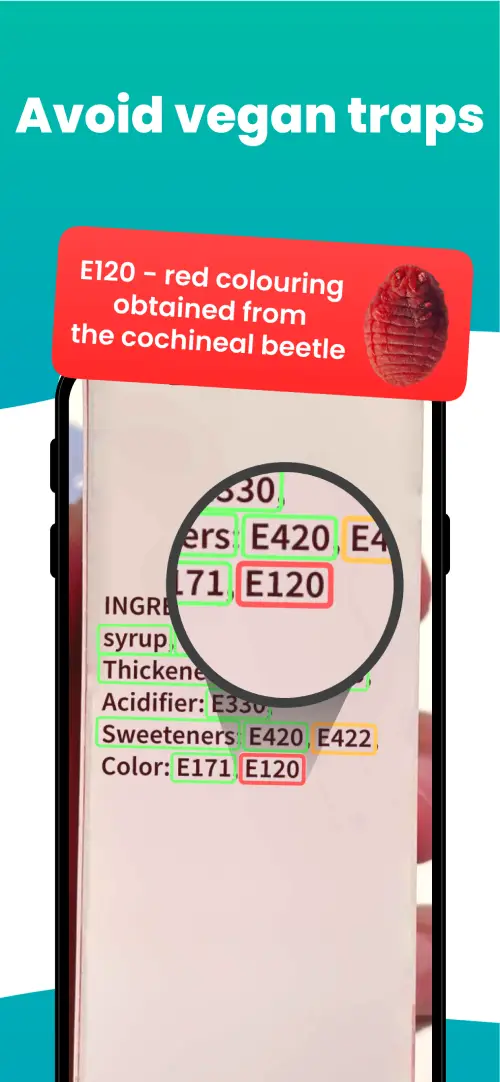
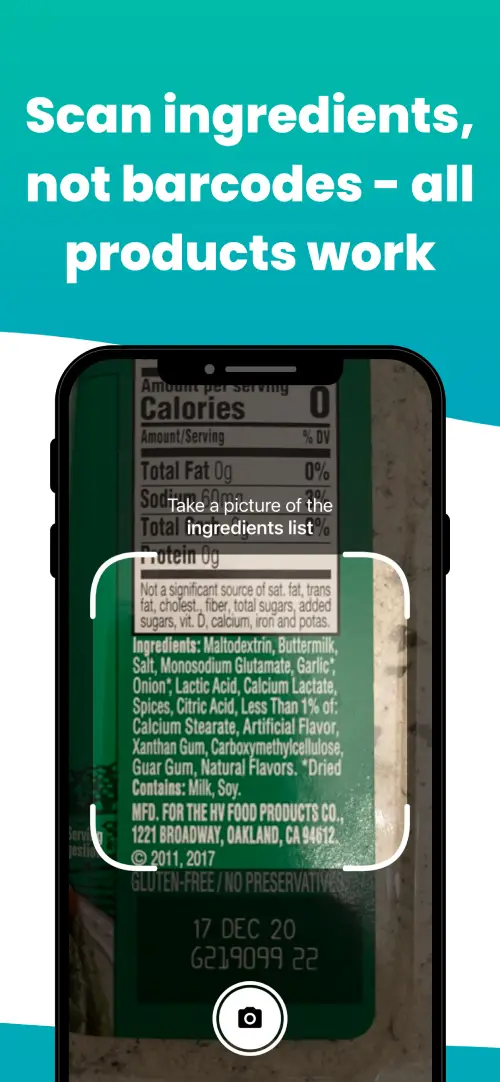
We've built a vegan ingredients scanner that classifies food ingredients as "vegan", "non-vegan", or "potentially vegan".
It allows you to avoid non-vegan ingredients - just take a picture of a product's ingredient list, and the app tells you if the product is vegan or not.



Check out other ingredients:
Is hydroxypropyltrimonium chloride vegan?Is methylisothiazolinone vegan?Is methylchloroisothiazolinone vegan?Is olea europaea fruit oil vegan?Is triethylamine vegan?Is yellow 6 vegan?Is tetra sodium edta vegan?Is caramelised sugar syrup vegan?Is peg-120 methyl glucose dioleate vegan?Is aqua/water/eau vegan?Is hydroxypropyl oxidized strach pg trimonium chloride vegan?Is sulfur vegan?
We'll never send you spam.