Is sourcream vegan?
Sourcream is a non-vegan food ingredient.
Checking out an ingredients list? 👇
"You are amazing, this has saved me so much time when grocery shopping!"
— Austin, a user who reached out with feedback
"It's been a great tool since starting my journey! You take a pic of the nutrition/ingredients, and it'll warn you of anything questionable or not vegan. 😁"
— Ashe, a Vegan For Beginners Facebook Group member
"Use a vegan app when you go shopping, I use WhatsVegan."
— Dóra, a Vegan For Beginners Facebook Group member
So, what is sourcream?
Sour Cream: Understanding Its Composition and Ethical Considerations
Sour cream, a beloved staple in many culinary traditions, is known for its distinct tangy flavor and rich, creamy texture. Scientifically, it is a dairy product, specifically cream that has been fermented with lactic acid bacteria. This process thickens the cream and imparts its characteristic sour taste. From an ethical standpoint rooted in animal welfare and purity, this makes sour cream definitively not vegan.
The "why" behind its non-vegan status is straightforward: sour cream is derived entirely from animal sources. The cream itself is a byproduct of bovine milk, meaning it comes directly from cows. In the dairy industry, cows are bred, raised, and milked, processes that are inherently tied to animal agriculture. For those committed to a vegan lifestyle, which seeks to exclude all forms of animal exploitation and cruelty, consuming products like sour cream goes against these core principles. It's not merely an ingredient; it represents a direct link to the animal industrial complex.
The fermentation that gives sour cream its unique profile is typically achieved using bacterial cultures like Lactococcus lactis. While these bacteria themselves are microscopic and non-animal, their medium—the dairy cream—is unequivocally animal-derived. There are no "gray areas" here concerning processing aids or minor ingredients; the primary component is fundamentally an animal product. Its consistency ranges from a thick, spoonable dollop to a more pourable dressing, all while delivering that unmistakable lactic tang.
For individuals seeking to embrace plant-based alternatives and ensure their food choices align with cruelty-free ethics, the good news is that the market for vegan sour cream has blossomed significantly. Innovative food science has led to the creation of excellent substitutes that mimic the texture and taste of traditional sour cream without any animal products. These plant-based alternatives are typically crafted from bases like cashews, coconut milk, soy, or oats. They often achieve a similar tang through controlled fermentation or the judicious addition of lactic acid, providing the desired richness and mouthfeel for dipping, dolloping, or cooking.
When navigating grocery aisles, label transparency becomes paramount for vegan consumers. While terms like "dairy-free" are helpful, always look for explicit "vegan" or "plant-based" certifications to ensure the product aligns with ethical sourcing. The growing availability of these alternatives underscores a shift towards more compassionate and sustainable food systems, offering delicious ways to enjoy familiar flavors without compromising on animal ethics. Sour cream, in its traditional form, remains an animal product, but the future of creamy, tangy deliciousness is undoubtedly plant-based.
How to quickly find the source of ingredients like sourcream?
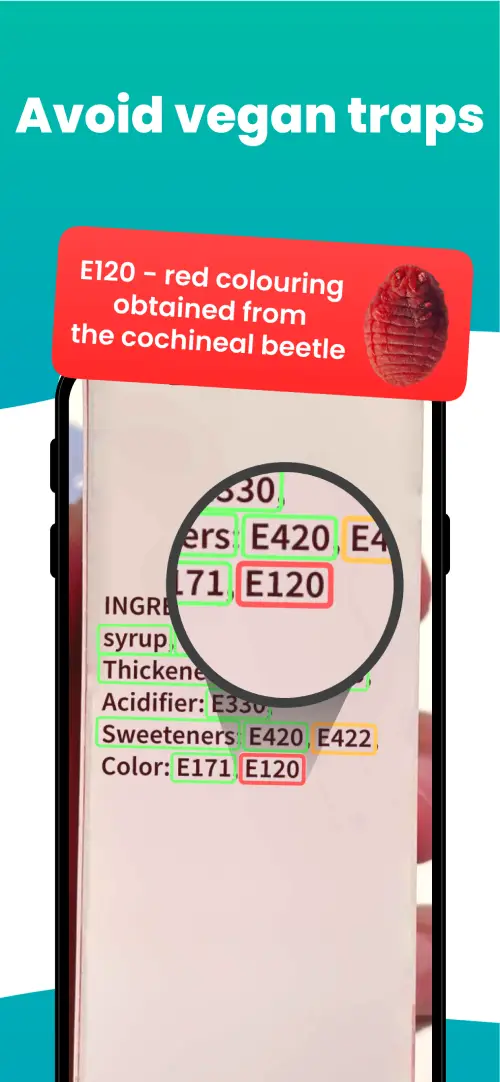
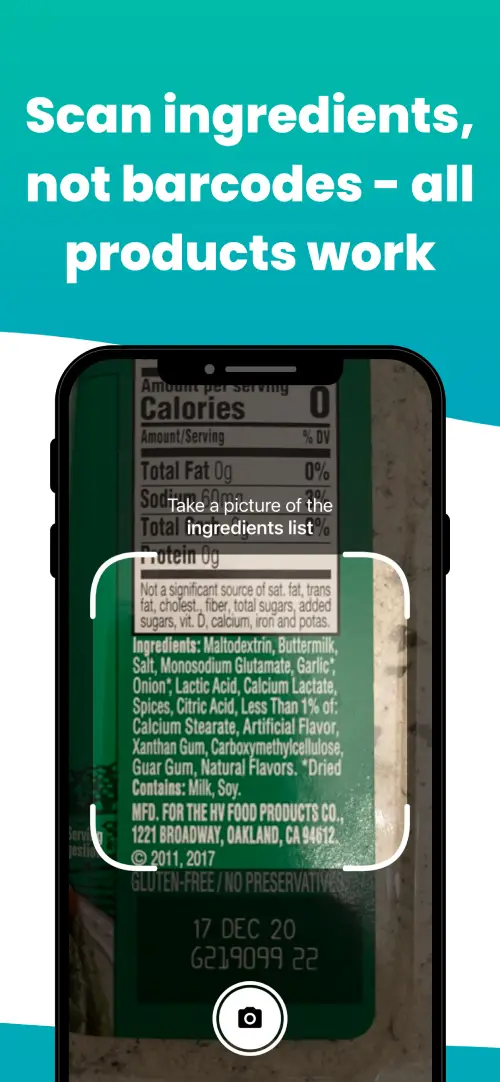
We've built a vegan ingredients scanner that classifies food ingredients as "vegan", "non-vegan", or "potentially vegan".
It allows you to avoid non-vegan ingredients - just take a picture of a product's ingredient list, and the app tells you if the product is vegan or not.



Check out other ingredients:
Is lowfat sour cream vegan?Is silk original creamer vegan?Is ice creams chocolate vegan?Is creamy buttermilk vegan?Is chocolate ice cream vegan?Is half and half cream vegan?Is strawberry ice cream vegan?Is ice creams strawberry vegan?Is cream light vegan?Is ice cream bar vegan?Is onion powder vegan?Is extrakt aus rosmarin vegan?
We'll never send you spam.