
Is triethyl citrate vegan?
Triethyl citrate is a vegan food ingredient.
Checking out an ingredients list? 👇
"You are amazing, this has saved me so much time when grocery shopping!"
— Austin, a user who reached out with feedback
"It's been a great tool since starting my journey! You take a pic of the nutrition/ingredients, and it'll warn you of anything questionable or not vegan. 😁"
— Ashe, a Vegan For Beginners Facebook Group member
"Use a vegan app when you go shopping, I use WhatsVegan."
— Dóra, a Vegan For Beginners Facebook Group member
So, what is triethyl citrate?
Triethyl Citrate: A Pillar of Ethical Formulation
In the meticulous world of ingredient selection for ethical and plant-based foods, understanding the provenance of every component is paramount. Triethyl citrate (TEC), a compound often found in ingredient lists, stands as a notable example of an additive whose origins unequivocally align with vegan principles and animal ethics.
Chemically, triethyl citrate is an ester derived from citric acid and ethanol. Its clarity and slight oiliness belie its versatility as a functional ingredient. What makes it particularly valuable for the discerning vegan consumer and product developer is its straightforward, plant-derived synthesis. The foundational citric acid is almost universally produced through the fermentation of carbohydrates, typically from corn, cassava, or molasses – all plant-based sources. Similarly, ethanol, its other primary constituent, originates from the fermentation of plant-based sugars, commonly sourced from corn, sugarcane, or beets.
Crucially, the entire production pathway for triethyl citrate bypasses any reliance on animal-derived raw materials or processing aids that might compromise its vegan status. There are no "gray areas" here concerning animal byproducts, bone char filtration, or insect-derived components. This makes TEC a truly cruelty-free and reliable addition to any plant-based formulation, offering absolute peace of mind regarding its purity and ethical standing. It is not an "alternative" in the sense of replacing an animal product, but rather a functional ingredient whose origin makes it seamlessly integrate into ethical product lines.
Within vegan food science, TEC serves several important roles. It functions as an excellent solvent and carrier for flavors and aromas, helping to distribute them evenly and prevent volatility. This is particularly beneficial in many plant-based alternatives, where achieving nuanced flavor profiles without animal ingredients is key. Beyond flavor stabilization, TEC also acts as a plasticizer in edible coatings and films, contributing to texture and pliability, and can serve as an emulsifying agent. Its E-number, E1505, signifies its approval as a food additive, with its consistent plant-based origin ensuring alignment with the strictest vegan purity standards.
For manufacturers committed to label transparency and developing truly plant-based alternatives, triethyl citrate presents a clear, ethical choice. Its well-established synthetic process from inherently vegan precursors eliminates the ethical ambiguities that plague other ingredients. For consumers, seeing triethyl citrate on an ingredient list can signify a brand's commitment to verifiable vegan sourcing, reinforcing trust in products designed for an ethical lifestyle.
How to quickly find the source of ingredients like triethyl citrate?
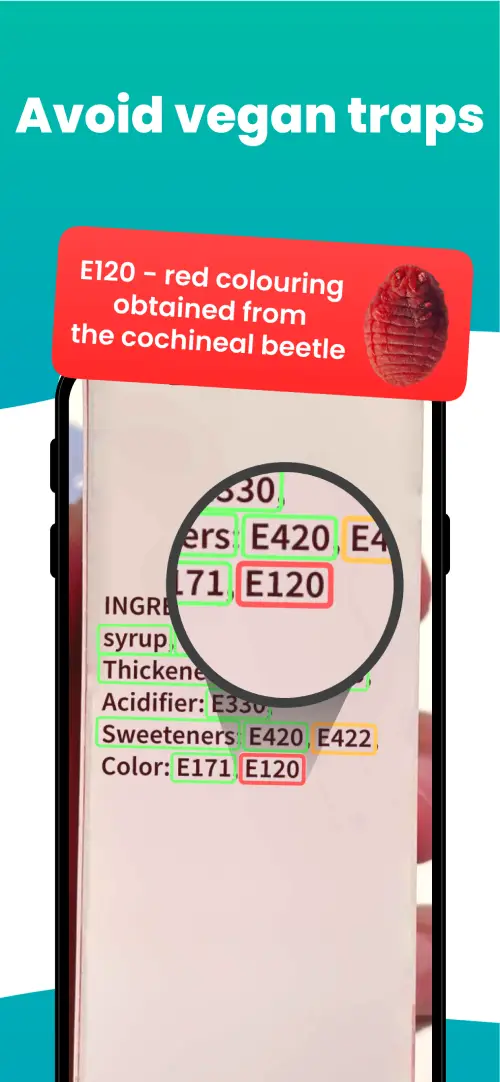
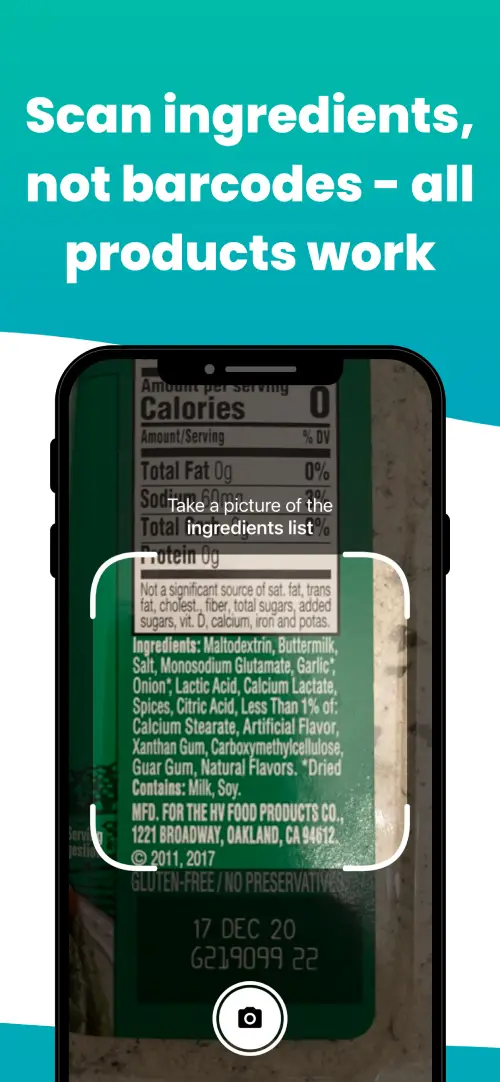
We've built a vegan ingredients scanner that classifies food ingredients as "vegan", "non-vegan", or "potentially vegan".
It allows you to avoid non-vegan ingredients - just take a picture of a product's ingredient list, and the app tells you if the product is vegan or not.



Check out other ingredients:
Is brassica campestris seed oil vegan?Is hydrogenated starch hydrolysate vegan?Is citrus aurantium bergamia peel oil vegan?Is mentha arvensis leaf oil vegan?Is sodium monofluorophosphate vegan?Is mentha arvensis leaf juice vegan?Is brassica campestris (rapeseed) seed oil vegan?Is charcoal (bamboo) powder vegan?Is myrica pubescens fruit cera (wax) vegan?Is olea europaea (olive) fruit oil vegan?Is rhus succedanea fruit cera (wax) vegan?Is sodium benzoate vegan?
We'll never send you spam.