
Is rhus succedanea fruit cera (wax) vegan?
Rhus succedanea fruit cera (wax) is a vegan food ingredient.
Checking out an ingredients list? 👇
"You are amazing, this has saved me so much time when grocery shopping!"
— Austin, a user who reached out with feedback
"It's been a great tool since starting my journey! You take a pic of the nutrition/ingredients, and it'll warn you of anything questionable or not vegan. 😁"
— Ashe, a Vegan For Beginners Facebook Group member
"Use a vegan app when you go shopping, I use WhatsVegan."
— Dóra, a Vegan For Beginners Facebook Group member
So, what is rhus succedanea fruit cera (wax)?
An Essential Plant-Derived Wax: Rhus Succedanea Fruit Cera
In the pursuit of truly ethical and plant-based formulations, understanding the precise origin and processing of every ingredient is paramount. Rhus succedanea fruit cera, often known as Japan Wax or Berry Wax, stands out as a clear example of a botanical treasure, offering valuable functional properties without compromising vegan principles.
This unique wax is directly harvested from the fruit pulp of the sumac tree species Toxicodendron succedaneum (historically classified as Rhus succedanea). Unlike many other waxes in commerce, its genesis is unequivocally plant-based, derived solely from the natural oils and esters present within the fruit. The collection process typically involves boiling the fruits and skimming the wax that floats to the surface, followed by purification. This simple, physical extraction method ensures that no animal inputs, byproducts, or exploitation are involved at any stage of its production.
From a vegan perspective, Rhus succedanea fruit cera represents a pure, unadulterated choice. Its status as "Vegan" is unambiguous, making it a highly desirable component for formulators committed to cruelty-free products across various industries, from personal care to specialized food applications. This contrasts sharply with animal-derived alternatives like beeswax, lanolin (from sheep's wool), or shellac (from lac insects), all of which involve animal exploitation to varying degrees. For consumers, the presence of Rhus succedanea fruit cera signals a product aligned with a strict animal ethics stance, providing peace of mind that no sentient beings were harmed in its making. It is a robust example of a naturally occurring plant-based alternative that meets both functional and ethical requirements.
As a wax, it exhibits distinct characteristics. Unlike harder, brittle waxes such as carnauba, Rhus succedanea fruit cera is notably softer and possesses a somewhat tacky, almost "buttery" consistency, even at room temperature. This unique texture is attributed to its high content of palmitic acid triglycerides, which contributes to its lower melting point compared to other plant waxes. These properties make it excellent for emulsifying, providing body, and creating a smooth, creamy texture in formulations.
In food science, while not as ubiquitous as carnauba or candelilla, it can offer specific textural benefits in confectionery, glazes, or as a component in vegetable-based shortenings, where its emollient properties can enhance mouthfeel and stability. Its direct plant origin means it requires no animal-derived processing aids for its manufacture, further reinforcing its purity for vegan consumers. The assurance of such clean sourcing is vital for label transparency, allowing brands to confidently market their products as truly vegan.
Ultimately, Rhus succedanea fruit cera exemplifies an ingredient that aligns seamlessly with a plant-based ethos. Its natural origin, ethical sourcing, and valuable functional attributes secure its position as a go-to for formulators dedicated to crafting pure, compassionate, and effective vegan products.
How to quickly find the source of ingredients like rhus succedanea fruit cera (wax)?
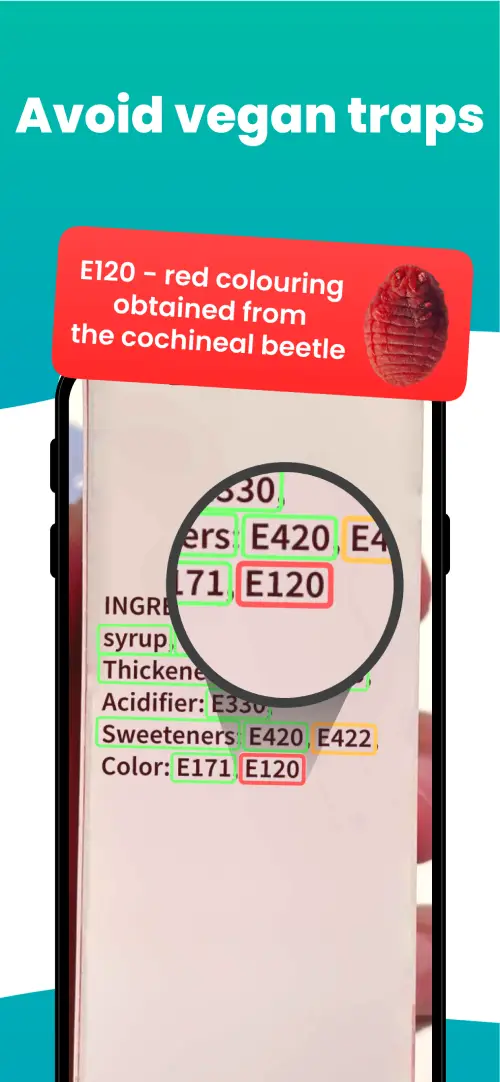
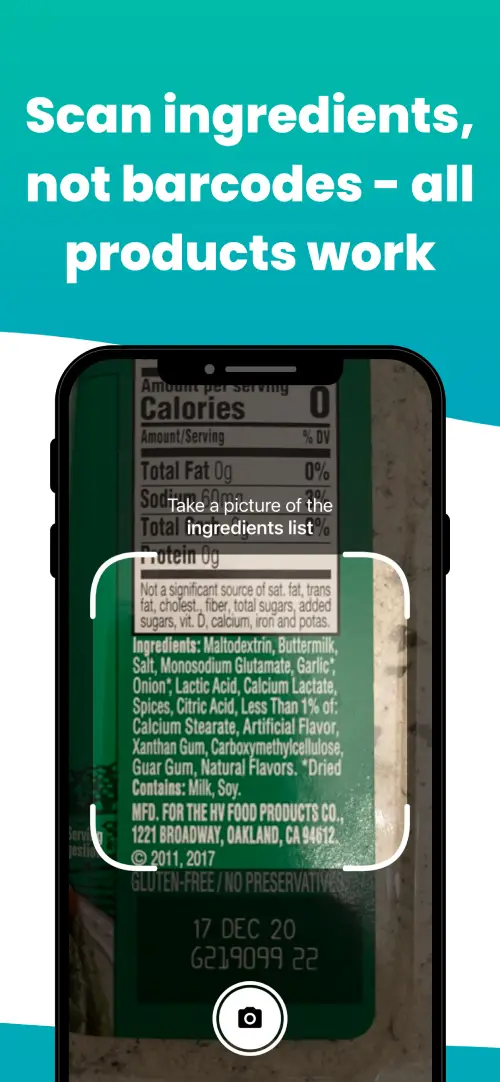
We've built a vegan ingredients scanner that classifies food ingredients as "vegan", "non-vegan", or "potentially vegan".
It allows you to avoid non-vegan ingredients - just take a picture of a product's ingredient list, and the app tells you if the product is vegan or not.



Check out other ingredients:
Is sorbitol/sebacic acid copolymer behenate vegan?Is titanium dioxide vegan?Are iron oxides vegan?Is helianthus annuus (sunflower) seed oil vegan?Is helianthus annuus seed oil vegan?Is pinus sylvestris leaf oil vegan?Is brassica campestris seed oil vegan?Is rice pasta vegan?Is triethyl citrate vegan?Is plant protein complex vegan?Is le lait de vache pasteurisé vegan?Is skummetmælkspulver vegan?
We'll never send you spam.