
Is brassica campestris seed oil vegan?
Brassica campestris seed oil is a vegan food ingredient.
Checking out an ingredients list? 👇
"You are amazing, this has saved me so much time when grocery shopping!"
— Austin, a user who reached out with feedback
"It's been a great tool since starting my journey! You take a pic of the nutrition/ingredients, and it'll warn you of anything questionable or not vegan. 😁"
— Ashe, a Vegan For Beginners Facebook Group member
"Use a vegan app when you go shopping, I use WhatsVegan."
— Dóra, a Vegan For Beginners Facebook Group member
So, what is brassica campestris seed oil?
Unpacking Brassica campestris Seed Oil: A Foundation of Vegan Purity
In the intricate landscape of plant-based ingredients, discerning the ethical integrity of each component is paramount for those committed to a vegan lifestyle. Brassica campestris seed oil, often recognized under names like field mustard oil or specific types of rapeseed oil, stands as a clear and unambiguous contributor to conscious cuisine. Derived exclusively from the seeds of the Brassica campestris plant, its origin inherently aligns with a purely plant-based ethos, rendering it a reliably vegan ingredient.
The Undeniable Plant-Based Pedigree
The journey of Brassica campestris seed oil begins and ends within the botanical realm. Harvested from the mature seeds of the Brassica campestris plant, a species cultivated globally for its oil-rich seeds, the oil is extracted through mechanical pressing or solvent extraction methods. This process yields a clear, pale yellow oil known for its neutral flavor profile and versatility. Its direct derivation from a botanical source means there is no involvement of animal agriculture, animal products, or animal byproducts at its foundational stage. This innate characteristic positions it as an essential and common plant-based alternative to animal-derived fats in a vast array of food applications, from baking and frying to salad dressings and emulsified sauces.
Ensuring Ethical Purity: Beyond the Seed
While the primary source of Brassica campestris seed oil is undeniably vegan, a meticulous examination of processing methods is crucial for complete ethical assurance. Many vegans rightly scrutinize ingredients for potential "gray areas" involving processing aids or filtration techniques that might introduce animal derivatives. For refined oils like Brassica campestris seed oil, common concerns include the use of bone char for decolorization or gelatin in filtration.
However, the standard industrial practices for refining Brassica campestris seed oil typically rely on clay-based filters, activated carbon (derived from plant materials), or membrane technologies. These methods are entirely mineral or plant-based, ensuring that the oil maintains its vegan integrity throughout purification. While vigilant consumers always benefit from label transparency and sourcing from brands with clear ethical statements, the widespread application of this oil in mainstream food production largely adheres to processes that are naturally cruelty-free. Reputable suppliers understand the growing demand for verified vegan components and often provide documentation to affirm their processing protocols.
A Versatile Cornerstone in Vegan Formulations
The practical utility of Brassica campestris seed oil in vegan food science is immense. Its light texture and neutral taste make it an ideal carrier for flavors and an excellent base for numerous plant-based products, including vegan spreads, mayonnaise alternatives, baked goods, and savory dishes. Its beneficial fatty acid profile, including monounsaturated and polyunsaturated fats, further enhances its appeal as a healthful and ethical option. As a core ingredient, it contributes to the mouthfeel, structure, and overall palatability of vegan foods, proving itself an indispensable asset for both home cooks and large-scale plant-based manufacturers.
In essence, Brassica campestris seed oil stands as a testament to the abundance and utility of plant-derived ingredients. Its unwavering vegan status, rooted in its botanical origin and typically maintained through ethical processing, firmly establishes it as a trusted component for those dedicated to animal ethics and a purely plant-based diet.
How to quickly find the source of ingredients like brassica campestris seed oil?
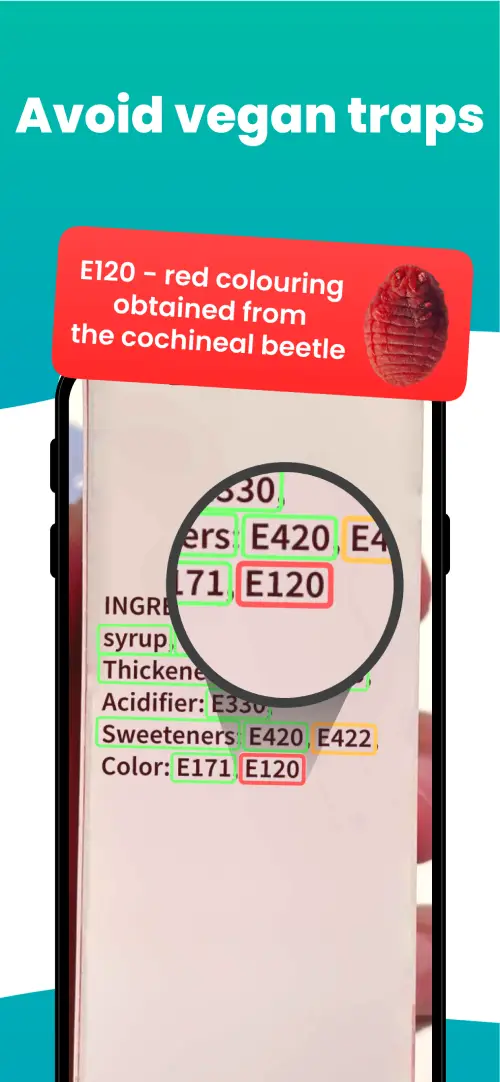
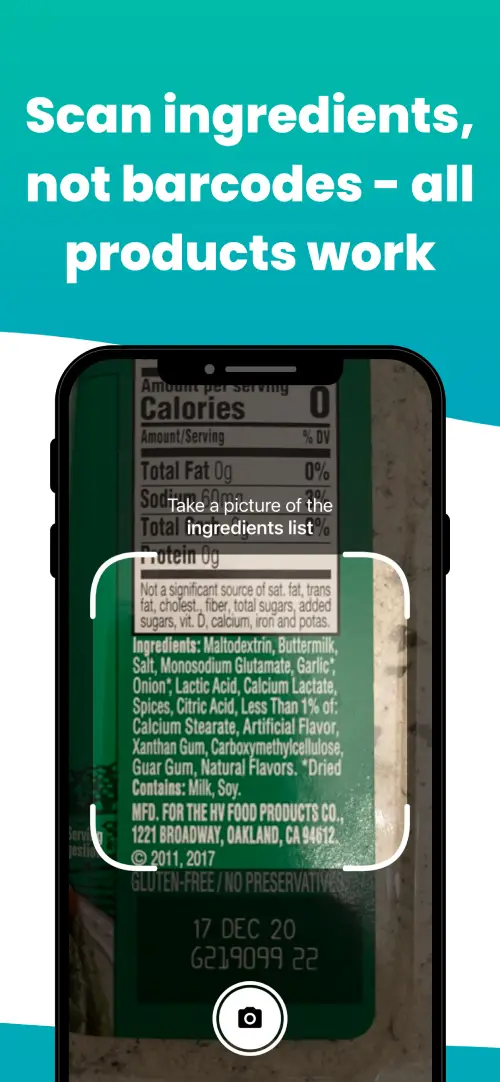
We've built a vegan ingredients scanner that classifies food ingredients as "vegan", "non-vegan", or "potentially vegan".
It allows you to avoid non-vegan ingredients - just take a picture of a product's ingredient list, and the app tells you if the product is vegan or not.



Check out other ingredients:
Is zea mays starch vegan?Is citrus aurantium bergamia peel oil vegan?Is triethyl citrate vegan?Is fragaria ananassa (strawberry) fruit vegan?Is brassica campestris (rapeseed) seed oil vegan?Is sodium monofluorophosphate vegan?Is olea europaea (olive) fruit oil vegan?Is rhus succedanea fruit cera (wax) vegan?Is charcoal (bamboo) powder vegan?Is theobroma cacao (cocoa) seed butter vegan?Is chamomilla recutita (chamomile) flower vegan?Is potassium sorbate vegan?
We'll never send you spam.