
Is vegetable juice color vegan?
Vegetable juice color is a vegan food ingredient.
Checking out an ingredients list? 👇
"You are amazing, this has saved me so much time when grocery shopping!"
— Austin, a user who reached out with feedback
"It's been a great tool since starting my journey! You take a pic of the nutrition/ingredients, and it'll warn you of anything questionable or not vegan. 😁"
— Ashe, a Vegan For Beginners Facebook Group member
"Use a vegan app when you go shopping, I use WhatsVegan."
— Dóra, a Vegan For Beginners Facebook Group member
So, what is vegetable juice color?
Understanding Vegetable Juice Color in Ethical Food Formulation
For those dedicated to an animal-free lifestyle, the ingredient list on any product is a critical point of scrutiny. Among the myriad of food additives, coloring agents often present a complex challenge. However, "vegetable juice color" stands out as a clear and unambiguous choice, embodying the principles of animal ethics and purity that are central to veganism.
The Pure Source: Nature's Palette
Vegetable juice color, as its name inherently suggests, is derived directly from fruits and vegetables. This designation encompasses a spectrum of botanical sources, ranging from vibrant beetroots for reds, purple carrots and blackcurrants for purples and blues, to spirulina and spinach for greens, and annatto or turmeric for yellows and oranges. The "why" behind its vegan status is straightforward: its origin is entirely plant-based. There are no animal components involved in the growth, harvesting, or initial extraction of these raw materials.
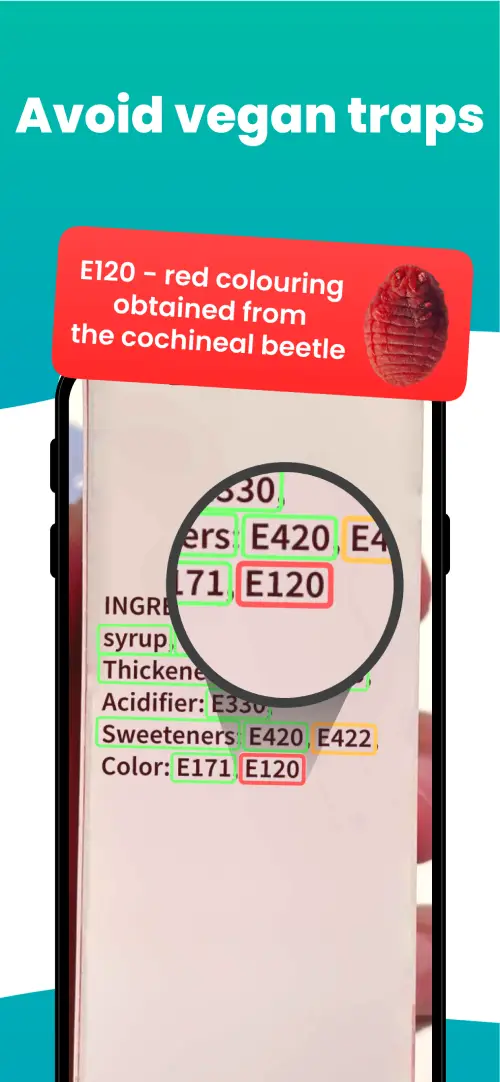
This direct botanical sourcing makes vegetable juice color a cornerstone in the development of plant-based alternatives. Unlike some coloring agents that might trace their lineage to insects (like cochineal, derived from Dactylopius coccus insects) or other animal byproducts, vegetable juice color offers an uncompromised path to vibrant hues without any ethical conflicts. It's not merely a "suitable" alternative; it is the preferred, inherently cruelty-free method for achieving desired aesthetics in food and beverage products.
Processing with Integrity: Beyond the Extraction
The journey from a whole vegetable to a concentrated color often involves several steps: crushing, pressing, filtration, and concentration. For vegetable juice colors, these processes are typically mechanical or utilize water and plant-derived solvents. A crucial aspect for vegan integrity lies in the absence of animal-derived processing aids. While some food ingredients might encounter bone char for decolorization (common in certain sugar refining) or gelatin as a clarifying agent, responsible manufacturers of vegetable juice colors meticulously avoid such substances.
This commitment ensures that the final ingredient remains true to its plant origin throughout its lifecycle, from farm to finished product. The concentration process usually results in a thick, often viscous liquid or a finely ground powder, retaining the natural pigment compounds from the original produce. The result is a pure, unadulterated color additive that aligns perfectly with a vegan ethos.
The Standard for Cruelty-Free Innovation
The widespread adoption of vegetable juice colors reflects a growing industry commitment to label transparency and ethical sourcing. As consumers increasingly seek out plant-based and cruelty-free options, formulators are turning to these natural extracts with confidence. When you see "vegetable juice color" or specific derivatives like "beet juice color" on an ingredient label, it provides reassurance. It signifies a product colored without causing harm to animals, aligning with the core tenets of animal ethics.
This ingredient stands as a testament to the fact that compelling product aesthetics can be achieved through nature's bounty, without compromising on ethical standards. Its reliability and clear botanical origin cement vegetable juice color's position as an indispensable and celebrated component in the vegan food landscape, reinforcing purity and ethical consumer choices.
How to quickly find the source of ingredients like vegetable juice color?
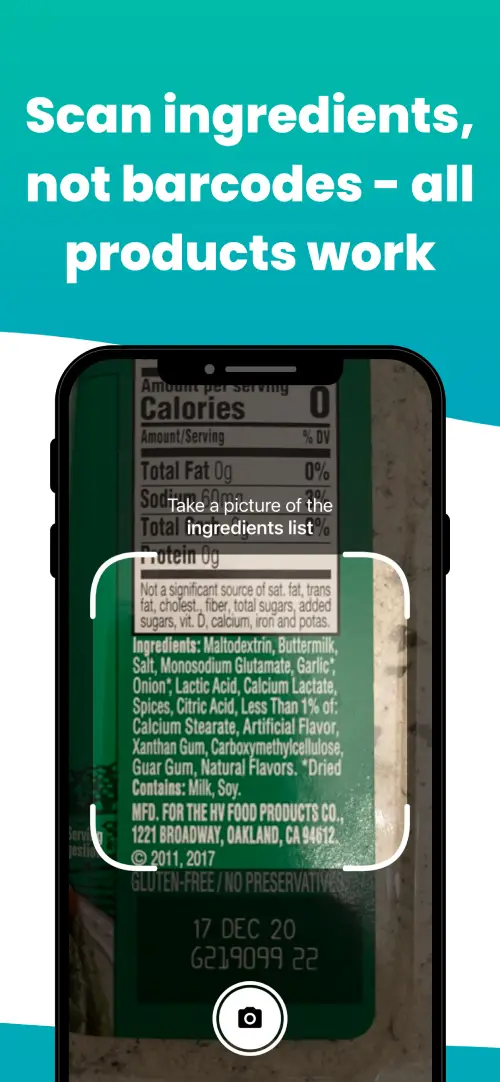
We've built a vegan ingredients scanner that classifies food ingredients as "vegan", "non-vegan", or "potentially vegan".
It allows you to avoid non-vegan ingredients - just take a picture of a product's ingredient list, and the app tells you if the product is vegan or not.



Check out other ingredients:
Is paprika extract color vegan?Is linden flower vegan?Is d-alpha-tocopherol vegan?Is whole grain blend vegan?Is puffed whole grain blend vegan?Is non-dairy cheddar flavor vegan?Is non-dairy cheddar flavour vegan?Is oat drink vegan?Are fire-roasted tomatoes vegan?Is benzophenone3 vegan?Is cellulose acetate butyrate vegan?Is aged cayenne red pepper vegan?
We'll never send you spam.