Is vitamin k2 vegan?
Vitamin k2 is a vegan food ingredient.
Checking out an ingredients list? 👇
Vegan Ingredient Checker
Scan labels, check if ingredients are vegan
"You are amazing, this has saved me so much time when grocery shopping!"
— Austin, a user who reached out with feedback
"It's been a great tool since starting my journey! You take a pic of the nutrition/ingredients, and it'll warn you of anything questionable or not vegan. 😁"
— Ashe, a Vegan For Beginners Facebook Group member
"Use a vegan app when you go shopping, I use WhatsVegan."
— Dóra, a Vegan For Beginners Facebook Group member


Learn more
"You are amazing, this has saved me so much time when grocery shopping!"
— Austin, a user who reached out with feedback
"It's been a great tool since starting my journey! You take a pic of the nutrition/ingredients, and it'll warn you of anything questionable or not vegan. 😁"
— Ashe, a Vegan For Beginners Facebook Group member
"Use a vegan app when you go shopping, I use WhatsVegan."
— Dóra, a Vegan For Beginners Facebook Group member
So, what is vitamin k2?
Vitamin K2, also known as menaquinone, is a fat-soluble vitamin commonly added to fortified foods and dietary supplements. Commercially, it is produced through the bacterial fermentation of plant-based substrates or via chemical synthesis. A common natural production method utilizes Bacillus subtilis bacteria fermenting soybeans or chickpeas to yield the MK-7 subtype, while synthetic processes produce menaquinone through laboratory chemical reactions. Products that list this ingredient include fortified plant milks, breakfast cereals, meal replacement powders, and standalone vitamin capsules.
Vitamin K2 is classified as vegan because commercial manufacturers derive the isolated nutrient exclusively from microbial fermentation or synthetic pathways rather than animal sources. The bacterial cultures used during fermentation are grown on plant-derived nutrient media, ensuring that no meat, dairy, or other animal byproducts are used in the manufacturing process. Because the ingredient does not rely on animal extraction, added vitamin K2 meets vegan dietary standards.
How to quickly find the source of ingredients like vitamin k2?
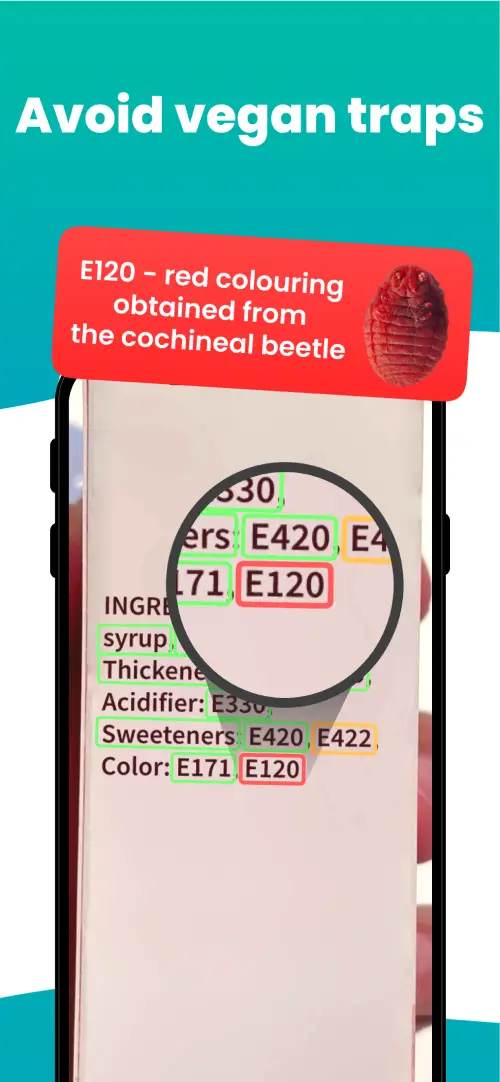
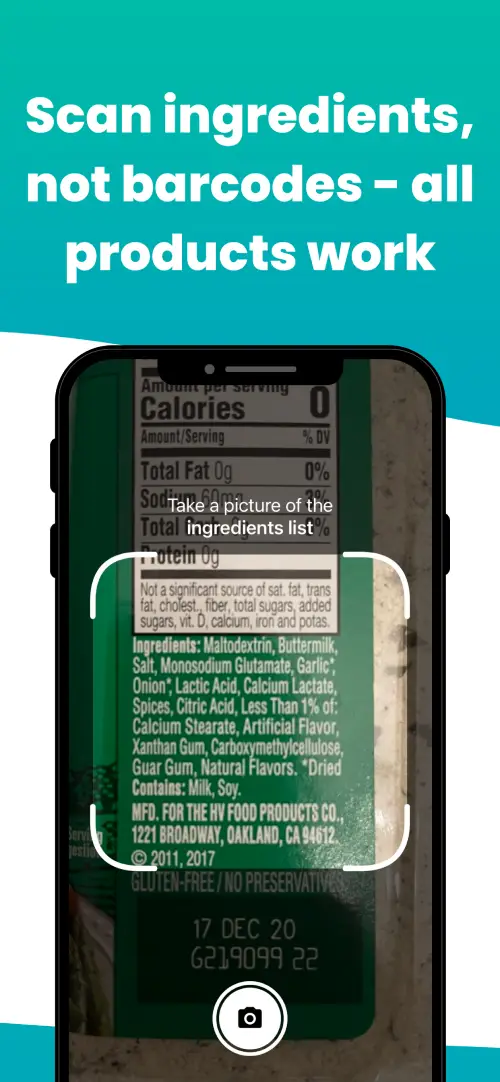
We've built a vegan ingredients scanner that classifies food ingredients as "vegan", "non-vegan", or "potentially vegan".
It allows you to avoid non-vegan ingredients - just take a picture of a product's ingredient list, and the app tells you if the product is vegan or not.

We'll never send you spam.