
Is wild pig smoked vegan?
Wild pig smoked is a non-vegan food ingredient.
Checking out an ingredients list? 👇
"You are amazing, this has saved me so much time when grocery shopping!"
— Austin, a user who reached out with feedback
"It's been a great tool since starting my journey! You take a pic of the nutrition/ingredients, and it'll warn you of anything questionable or not vegan. 😁"
— Ashe, a Vegan For Beginners Facebook Group member
"Use a vegan app when you go shopping, I use WhatsVegan."
— Dóra, a Vegan For Beginners Facebook Group member
So, what is wild pig smoked?
Understanding Smoked Wild Pig: A Vegan Perspective
For those committed to a vegan lifestyle, understanding the origin and processing of every ingredient is paramount. Our dietary choices are rooted in deep ethical considerations, a rejection of animal exploitation, and a commitment to purity in our food systems. When encountering an ingredient like "wild pig smoked," its status is unequivocally clear from a vegan standpoint.
The Unambiguous Status: Not Vegan
"Wild pig smoked" is precisely what its name implies: meat derived from a wild pig, which has then undergone a smoking process for preservation and flavor. This ingredient is, by its very nature, a product of an animal. It originates directly from the flesh of a sentient being, specifically a boar or sow living in its natural habitat, which has been hunted and slaughtered.
From an animal ethics perspective, the consumption of wild pig smoked directly contradicts the fundamental principles of veganism. Our philosophy extends beyond farmed animals to encompass all creatures. The act of hunting and killing a wild animal, regardless of its living conditions prior to slaughter, is an act that deprives that animal of its life and autonomy. It is inherently non-cruelty-free, as it involves taking a life for human consumption. The concept of purity in a vegan diet is inextricably linked to avoiding any product that necessitates the suffering or death of an animal. Therefore, wild pig smoked falls squarely outside the bounds of a vegan diet.
Processing and Purity
While some ingredients require careful scrutiny regarding hidden animal-derived processing aids or cross-contamination risks, wild pig smoked presents no such ambiguity. Its primary composition is animal flesh. There are no "gray areas" or potential for misinterpretation based on manufacturing methods. The smoking process itself, while sometimes involving wood smoke (which is plant-derived), does not alter the fundamental animal origin of the meat.
For vegans, the ingredient serves as a stark reminder of the broader industrial food system and the importance of label transparency. While this specific ingredient’s non-vegan status is obvious, the diligent practice of examining labels extends to countless other products where animal derivatives might be less apparent, such as gelatin, casein, or various enzymes.
Seeking Plant-Based Alternatives
For those who appreciate the robust, savory, and smoky flavors that wild pig smoked might offer, the good news is that there are numerous plant-based alternatives that can deliver similar sensory experiences without compromising ethical principles. Innovators in the plant-based food sector have developed a vast array of ingredients and products that expertly mimic the umami and textural qualities of meat.
Smoked tofu, tempeh, seitan, or even various mushroom preparations can be seasoned with liquid smoke, smoked paprika, and other spices to create rich, deeply flavored dishes. These plant-based alternatives not only offer comparable taste profiles but also align perfectly with a cruelty-free and compassionate lifestyle. They represent the ingenuity of a food system built on plants, devoid of animal suffering and exploitation.
In conclusion, wild pig smoked is unequivocally not vegan. Its presence signifies the consumption of animal flesh, a direct violation of animal ethics and the pursuit of dietary purity central to the vegan movement. Our focus remains on embracing the diverse and delicious world of plant-based ingredients, which offer endless possibilities for flavorful and ethical eating.
How to quickly find the source of ingredients like wild pig smoked?
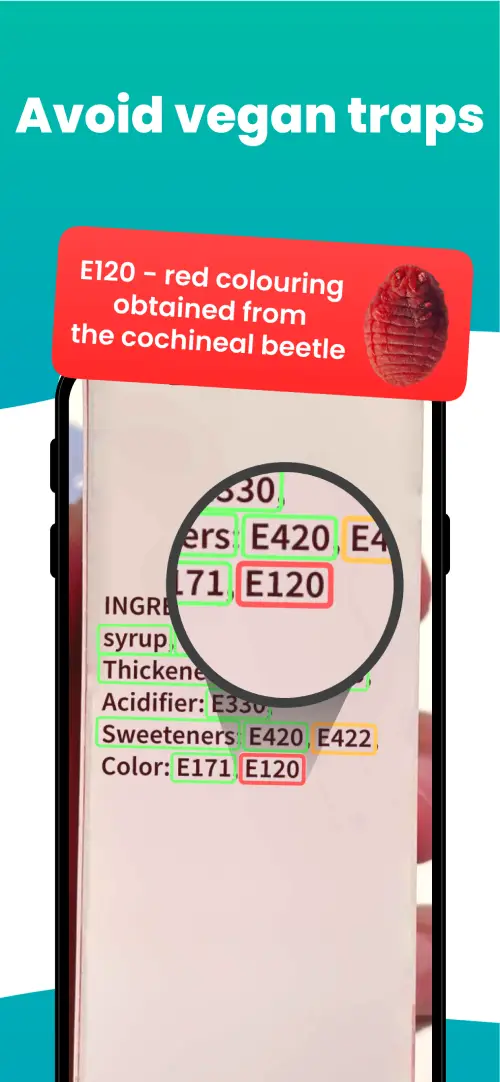
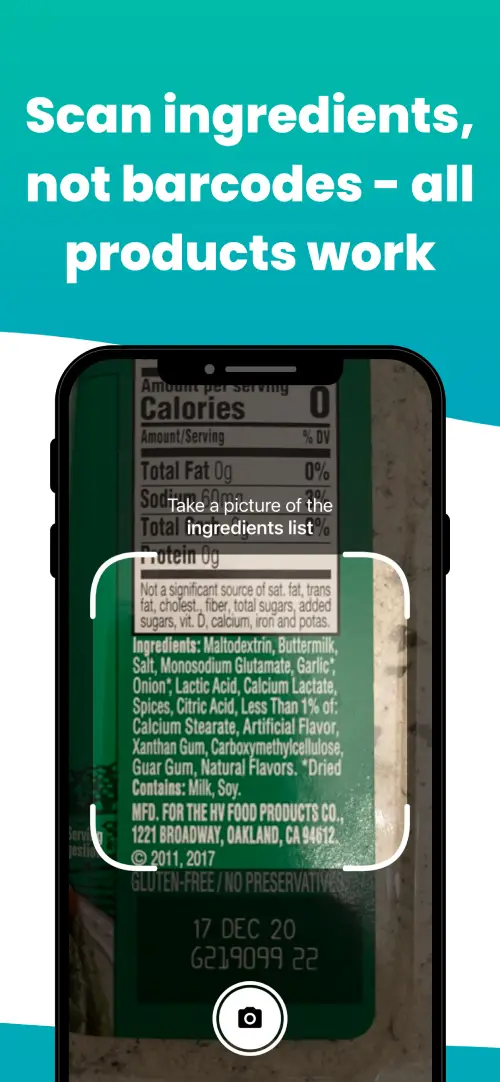
We've built a vegan ingredients scanner that classifies food ingredients as "vegan", "non-vegan", or "potentially vegan".
It allows you to avoid non-vegan ingredients - just take a picture of a product's ingredient list, and the app tells you if the product is vegan or not.



Check out other ingredients:
Is red king salmon vegan?Is tipnuk salmon vegan?Is roasted wild boar vegan?Is roasted turkey thigh vegan?Is king salmon vegan?Is roasted turkey breast vegan?Is black bear vegan?Is pheasant breast vegan?Is farmhouse gouda vegan?Is folacina vegan?Is aceite de maravilla vegan?Is kidneybohnen! vegan?
We'll never send you spam.