
Is pheasant breast vegan?
Pheasant breast is a non-vegan food ingredient.
Checking out an ingredients list? 👇
"You are amazing, this has saved me so much time when grocery shopping!"
— Austin, a user who reached out with feedback
"It's been a great tool since starting my journey! You take a pic of the nutrition/ingredients, and it'll warn you of anything questionable or not vegan. 😁"
— Ashe, a Vegan For Beginners Facebook Group member
"Use a vegan app when you go shopping, I use WhatsVegan."
— Dóra, a Vegan For Beginners Facebook Group member
So, what is pheasant breast?
When evaluating ingredients for a truly vegan lifestyle, understanding the source and ethical implications is paramount. Pheasant breast, a lean and often sought-after game meat, falls squarely outside the parameters of a vegan diet. Its status as "Not Vegan" is unequivocal, rooted in its direct derivation from an animal.
Specifically, pheasant breast is the muscle tissue harvested from a pheasant, a bird belonging to the Phasianidae family. From an animal ethics perspective, the inclusion of any part of an animal’s body, whether muscle, organ, or byproduct, contradicts the fundamental principles of veganism. This philosophy is centered on the avoidance of all forms of animal exploitation and cruelty, meaning any product that necessitates the breeding, capture, or killing of an animal is inherently non-vegan. The process of obtaining pheasant breast involves the taking of a life, making it incompatible with a cruelty-free ethos.
The texture of pheasant breast is typically described as firm and somewhat dry, with a distinct, often gamey flavor profile different from more common poultry like chicken. While culinary uses might explore methods to enhance its tenderness or mask its strong taste, these preparations do not alter its biological origin. The ingredient remains the direct flesh of a bird, making any consumption a direct act of animal product consumption.
For individuals committed to a plant-based diet, identifying suitable alternatives becomes crucial. Those seeking to replicate a "meaty" texture and savory depth can explore a range of plant-based ingredients. Hearty mushrooms like portobello or king oyster, when properly seasoned and prepared, can offer a satisfying chewiness. Seitan, a wheat gluten product, is renowned for its versatile, fibrous texture, capable of mimicking various meats. Jackfruit, particularly when young and green, provides a shredded texture that can absorb flavors wonderfully. The market also features increasingly sophisticated specialty vegan alternatives specifically formulated to mimic game meats, utilizing blends of plant proteins, spices, and natural flavorings to create an experience aligned with ethical values.
The commitment to label transparency extends beyond identifying obvious animal products. While pheasant breast itself is unambiguously an animal part, the broader vegan principle encourages scrutiny of all ingredients, including processing aids and obscure components that might derive from animal sources. This meticulous approach ensures that every aspect of an ingredient's journey, from its origin to its presence in a final product, aligns with a compassionate and pure standard. In the case of pheasant breast, its classification is clear-cut: it is a direct animal product, incompatible with a vegan lifestyle committed to avoiding animal exploitation.
How to quickly find the source of ingredients like pheasant breast?
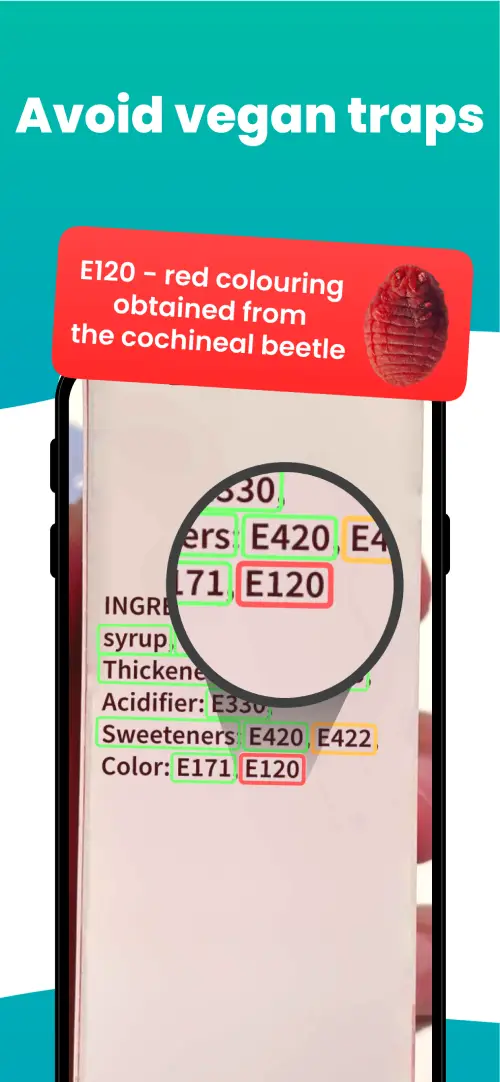
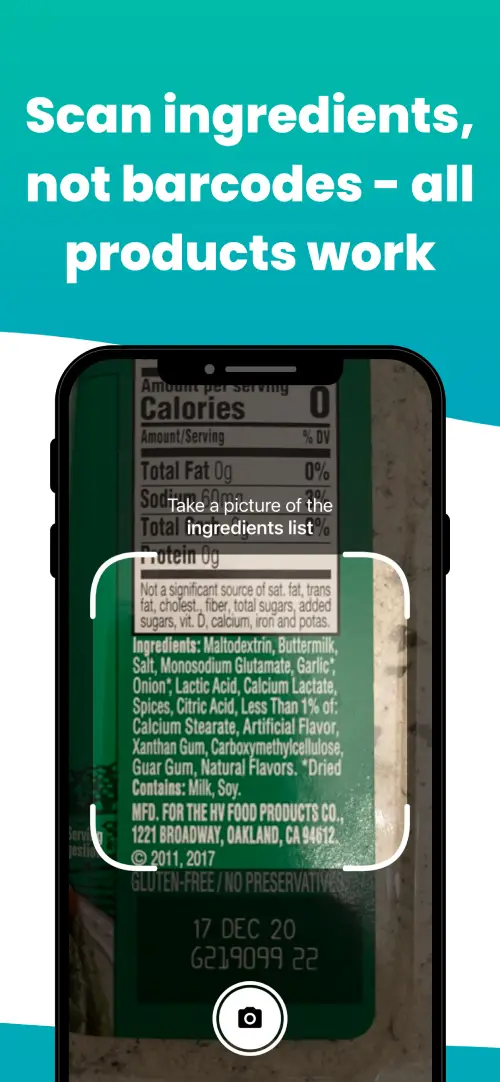
We've built a vegan ingredients scanner that classifies food ingredients as "vegan", "non-vegan", or "potentially vegan".
It allows you to avoid non-vegan ingredients - just take a picture of a product's ingredient list, and the app tells you if the product is vegan or not.



Check out other ingredients:
Is pheasant cooked vegan?Is pheasant leg vegan?Is ostrich tenderloin raw vegan?Is roasted turkey breast vegan?Is roasted turkey thigh vegan?Is ostrich oyster raw vegan?Is ostrich oyster cooked vegan?Is romano salami vegan?Is smoked turkey vegan?Is ostrich fan raw vegan?Is tipnuk salmon vegan?Is ostrich cooked vegan?
We'll never send you spam.