
Is salvia officinalis infusion vegan?
Salvia officinalis infusion is a vegan food ingredient.
Checking out an ingredients list? 👇
"You are amazing, this has saved me so much time when grocery shopping!"
— Austin, a user who reached out with feedback
"It's been a great tool since starting my journey! You take a pic of the nutrition/ingredients, and it'll warn you of anything questionable or not vegan. 😁"
— Ashe, a Vegan For Beginners Facebook Group member
"Use a vegan app when you go shopping, I use WhatsVegan."
— Dóra, a Vegan For Beginners Facebook Group member
So, what is salvia officinalis infusion?
Unveiling the Purity of Salvia officinalis Infusion
Salvia officinalis, commonly known as sage, boasts a venerable history spanning centuries, revered across cultures not only for its distinct aroma and flavor but also for its array of traditional applications. When transformed into an infusion, this herb becomes a simple yet profound component, and understanding its integrity is crucial for those navigating a vegan lifestyle.
At its core, Salvia officinalis infusion embodies the very essence of a truly vegan ingredient. It is a preparation derived solely from the plant itself—typically the leaves—steeped in hot water. This straightforward process involves no animal-derived substances at any stage. There are no animal products utilized in the cultivation of the sage plant, nor are any required for the simple act of creating the infusion. The plant itself, a member of the mint family Lamiaceae, grows directly from the earth, drawing nutrients from soil and sunlight, a testament to its inherent plant-based origin.
For ethical vegans, this clarity is paramount. The journey from plant to infusion is devoid of the hidden animal exploitation that can often plague other ingredients. There are no complex manufacturing processes involving questionable processing aids like gelatin or rennet, nor is there any risk of insect-derived components, such as cochineal, which can sometimes be found in certain colorings or extracts. Unlike sugars that may be processed with bone char, or wines clarified with animal-derived fining agents, a Salvia officinalis infusion, prepared simply from dried or fresh sage leaves and water, remains untouched by such ethical dilemmas.
This makes sage infusion an unequivocally cruelty-free choice, standing as a pristine example of a plant-based alternative in a world where label scrutiny is often a necessity. Its direct botanical origin provides a sense of purity and transparency that aligns perfectly with vegan principles. When considering this ingredient, label transparency becomes almost a given, as the core components are invariably just sage and water. There is no "gray area" to debate, no obscure additives to investigate, making it a reliable and trusted staple for those committed to avoiding animal products.
From a culinary perspective, sage infusion is a versatile addition to the vegan pantry. Its robust, earthy, and slightly peppery notes can enhance broths, lend depth to plant-based sauces, or serve as an aromatic base for herbal drinks, all without compromising ethical integrity. Functionally, it offers the well-documented attributes of the sage plant itself, directly extracted into a liquid form. This simplicity and purity make Salvia officinalis infusion not just a choice, but a definitive embodiment of compassionate eating, reflecting a deep respect for animal ethics and the unadulterated bounty of the plant kingdom.
How to quickly find the source of ingredients like salvia officinalis infusion?
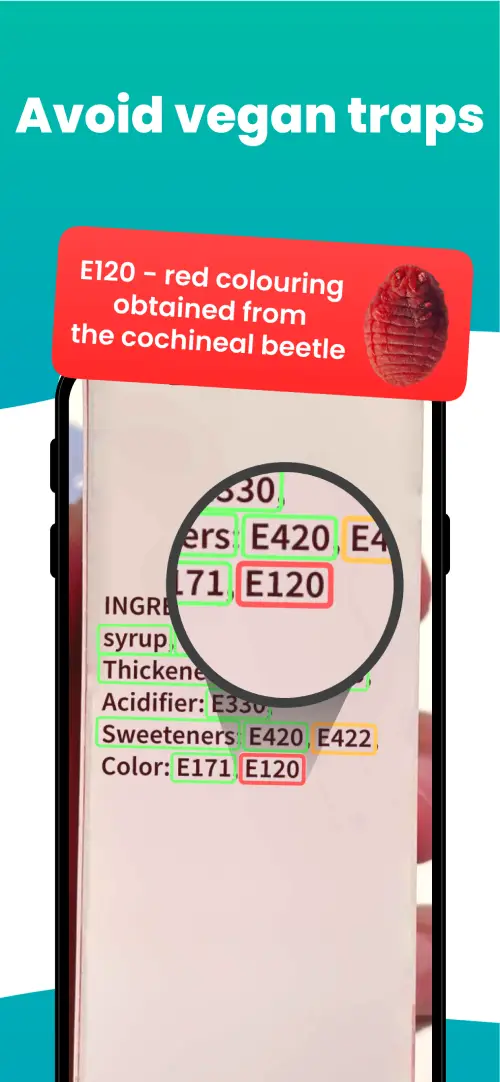
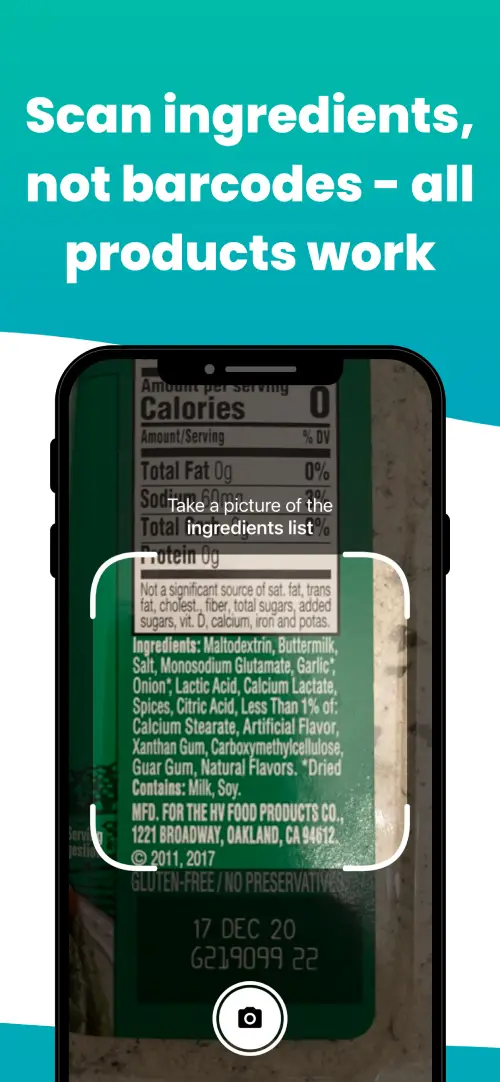
We've built a vegan ingredients scanner that classifies food ingredients as "vegan", "non-vegan", or "potentially vegan".
It allows you to avoid non-vegan ingredients - just take a picture of a product's ingredient list, and the app tells you if the product is vegan or not.



Check out other ingredients:
Is sage vegan?Are salvia officinalis vegan?Are infusion of salvia officinalis vegan?Is sodium c16-18 olefin sulfonate vegan?Is matricaria vegan?Are althea officinalis vegan?Is sodium c14-16 olefin sulfonate vegan?Are cucumis sativas vegan?Is sodium c12-14 olefin sulfonate vegan?Is macrocystis pyrifera vegan?Is tuberose vegan?Is kelp vegan?
We'll never send you spam.