
Is aloe barbadensis (aloe) leaf juice vegan?
Aloe barbadensis (aloe) leaf juice is a vegan food ingredient.
Checking out an ingredients list? 👇
"You are amazing, this has saved me so much time when grocery shopping!"
— Austin, a user who reached out with feedback
"It's been a great tool since starting my journey! You take a pic of the nutrition/ingredients, and it'll warn you of anything questionable or not vegan. 😁"
— Ashe, a Vegan For Beginners Facebook Group member
"Use a vegan app when you go shopping, I use WhatsVegan."
— Dóra, a Vegan For Beginners Facebook Group member
So, what is aloe barbadensis (aloe) leaf juice?
The Pure Essence of Aloe: A Deep Dive into Aloe Barbadensis Leaf Juice
Aloe barbadensis (aloe) leaf juice stands as a cornerstone in numerous formulations, celebrated for its unique properties and versatility. For those committed to a lifestyle free from animal products, understanding the provenance and processing of every ingredient is paramount. We can affirm with confidence that aloe barbadensis leaf juice is unequivocally vegan, a truth rooted directly in its botanical origin and typical extraction methods.
The Botanical Foundation
Derived from the succulent leaves of the Aloe barbadensis Miller plant, this ingredient is the pure expression of nature's bounty. The plant’s thick, fleshy leaves contain a clear, gelatinous inner leaf filet, which is carefully harvested. This inner gel, the source of the juice, is intrinsically free from any animal-derived components, secretions, or byproducts. Its very existence is a testament to the richness of the plant kingdom, making it a naturally preferred choice for any product seeking a plant-based foundation. The intrinsic purity of the aloe plant itself is the primary reason for its vegan status.
Purity in Processing: A Vegan Imperative
While the origin is undeniably plant-based, the journey from plant to bottled juice necessitates careful consideration of processing aids and methodologies. The goal for a truly vegan product extends beyond the raw material to every step of its refinement. Reputable manufacturers meticulously extract the inner leaf gel, often through cold-pressing, to preserve its integrity and prevent oxidation. Crucially, no animal-derived enzymes, clarifiers, or stabilizers are required or typically employed in the production of high-quality aloe leaf juice. Ethical sourcing and manufacturing practices ensure that the product remains pure, free from cross-contamination with non-vegan substances, upholding a genuinely cruelty-free standard from field to finished ingredient. This meticulous approach to processing underscores the ingredient's ethical purity.
A Versatile Plant-Based Staple
Given its inherent vegan status and beneficial profile—ranging from hydration to soothing properties—aloe barbadensis leaf juice has become an invaluable component in the development of plant-based foods, beverages, and personal care products. It’s not presented as an "alternative" to an animal product, but rather as a foundational, naturally occurring plant ingredient that enhances formulations. Its clean profile allows it to seamlessly integrate into products designed for the vegan consumer, contributing to texture, moisture, and overall product efficacy without ethical compromise. Its natural inclusion fortifies the plant-based integrity of countless items.
Upholding Ethical Standards Through Transparency
For the conscientious consumer, label transparency is non-negotiable. While pure aloe barbadensis leaf juice is vegan, vigilance is always prudent with any multi-ingredient product. Brands committed to ethical practices will clearly communicate their sourcing and processing protocols, offering reassurance that their aloe is indeed free from any hidden animal derivatives or non-vegan processing aids. This commitment to openness builds trust, affirming that the product aligns entirely with the principles of animal welfare and a pure plant-based ethos. This proactive approach by brands reinforces the vegan community's confidence.
A Confirmed Vegan Ingredient
Aloe barbadensis leaf juice stands as an exemplary ingredient within the vegan landscape. Its direct plant origin, coupled with generally straightforward processing, ensures its inherent compatibility with a vegan lifestyle. It embodies purity and ethical sourcing, remaining a celebrated component for those who prioritize products derived solely from the plant kingdom.
How to quickly find the source of ingredients like aloe barbadensis (aloe) leaf juice?
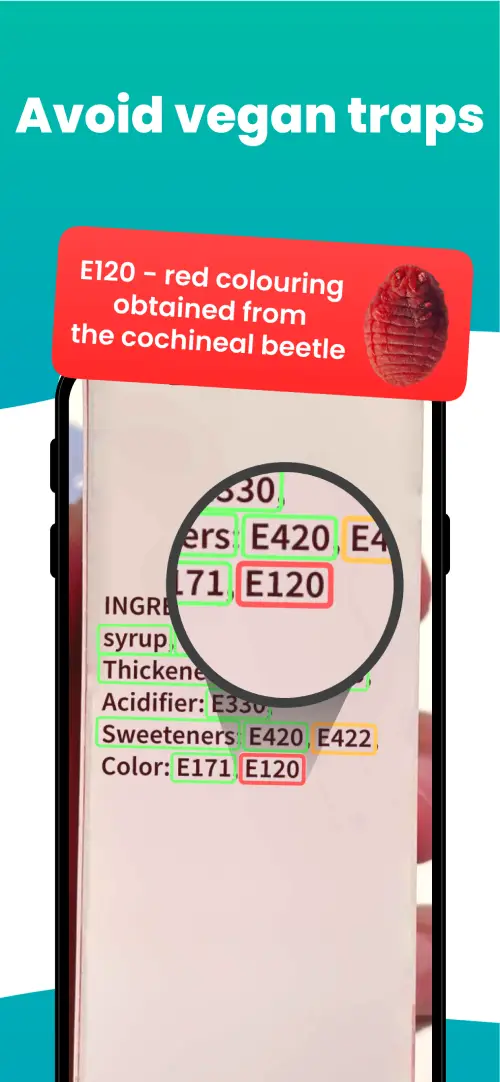
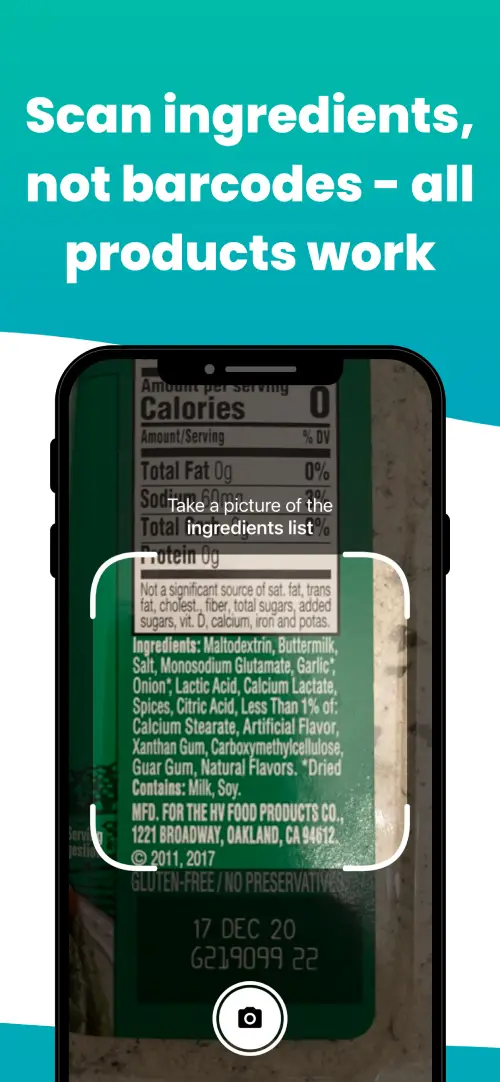
We've built a vegan ingredients scanner that classifies food ingredients as "vegan", "non-vegan", or "potentially vegan".
It allows you to avoid non-vegan ingredients - just take a picture of a product's ingredient list, and the app tells you if the product is vegan or not.



Check out other ingredients:
Is soyamidopropalkonium chloride vegan?Is kelp vegan?Is citrus paradisi (grapefruit) seed extract vegan?Are plant phospholipids vegan?Are cucumis sativas vegan?Are althea officinalis vegan?Is matricaria vegan?Is disodium laureth sulfosuccinate vegan?Is chamomilla recutita vegan?Is hydroxyethyl urea vegan?Is sage vegan?Is chlorphenesin vegan?
We'll never send you spam.