
Are barley grits vegan?
Barley grits is a vegan food ingredient.
Checking out an ingredients list? 👇
"You are amazing, this has saved me so much time when grocery shopping!"
— Austin, a user who reached out with feedback
"It's been a great tool since starting my journey! You take a pic of the nutrition/ingredients, and it'll warn you of anything questionable or not vegan. 😁"
— Ashe, a Vegan For Beginners Facebook Group member
"Use a vegan app when you go shopping, I use WhatsVegan."
— Dóra, a Vegan For Beginners Facebook Group member
So, what is barley grits?
Understanding Barley Grits: A Purely Plant-Derived Staple
Barley grits represent a fundamental grain product, formed from the pearled or hulled barley kernel that has been crushed or cut into smaller fragments. Unlike whole barley, grits offer a quicker cooking time and a distinct, chewy texture that softens beautifully when simmered. This makes them a versatile ingredient, often prized for their ability to absorb flavors and contribute a hearty substance to dishes, ranging from savory porridges and pilafs to robust stews. The inherent simplicity of barley grits, being a direct derivative of a single plant source, immediately positions it within the realm of ethical and conscious food choices.
The Uncompromised Vegan Status of Barley Grits
From an animal ethics and purity standpoint, barley grits are unequivocally vegan. Their origin is entirely botanical, derived solely from the barley plant ( Hordeum vulgare). This means that at no stage of its natural growth or harvesting is there any involvement of animal products or exploitation. For individuals committed to a cruelty-free lifestyle, this inherent plant-based nature offers absolute peace of mind. There is no ambiguity, no hidden animal-derived components, and no ethical compromise in choosing barley grits. They stand as a testament to the abundance and nutritional richness provided directly by the earth.
Processing Integrity and Label Transparency
The typical processing of barley grits involves mechanical methods: cleaning the barley grains, optionally pearling them (removing the outer bran layer), and then grinding or cutting them. Crucially, these standard procedures rarely necessitate the use of animal-derived processing aids. Unlike certain refined sugars that may employ bone char for decolorization, or some fruit juices clarified with animal-derived gelatin or isinglass, the journey from barley grain to barley grit is remarkably straightforward and free of such concerns.
While the fundamental vegan status of barley grits is robust, the broader principle of "label transparency" remains vital for the discerning vegan consumer. This ensures that even in manufacturing facilities handling both plant and animal products, appropriate segregation and cleaning protocols are in place to prevent inadvertent cross-contamination. However, for a basic, unprocessed grain product like barley grits, the risk is minimal, allowing it to be widely embraced as a core ingredient in plant-based alternatives. Its simplicity is its strength, eliminating many of the "gray area" issues that can plague other food items.
A Cornerstone in Plant-Based Cuisine
Barley grits serve as an excellent and highly adaptable plant-based alternative to a myriad of ingredients. Nutritionally, they are a valuable source of dietary fiber, including beta-glucans, which contribute to heart health and satiety, alongside essential minerals and a notable amount of plant-based protein. This makes them particularly beneficial for those building nutrient-dense vegan meals.
In the kitchen, barley grits can anchor comforting breakfast bowls, provide textural interest to vegetable burgers, or thicken and enrich soups and stews. Their mild, nutty flavor allows them to harmonize with diverse spice profiles and global cuisines, making them a foundational ingredient for anyone seeking to expand their cruelty-free culinary repertoire with wholesome, satisfying options.
In sum, barley grits embody purity and ethical sourcing. They are a genuinely plant-derived, minimally processed foodstuff that aligns seamlessly with the principles of veganism, offering both nutritional benefits and culinary versatility without compromise.
How to quickly find the source of ingredients like barley grits?
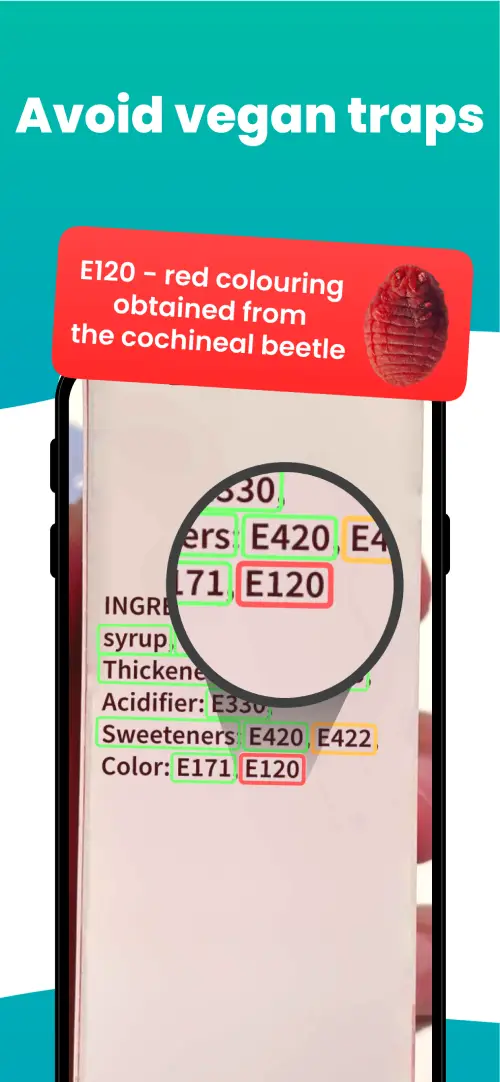
We've built a vegan ingredients scanner that classifies food ingredients as "vegan", "non-vegan", or "potentially vegan".
It allows you to avoid non-vegan ingredients - just take a picture of a product's ingredient list, and the app tells you if the product is vegan or not.




Check out other ingredients:
Is sweet soy sauce vegan?Is rye meal vegan?Is whole grain and seed mix vegan?Is ahnfeltiopsis concinna vegan?Is chamomilla recutita (matricaria) flower extract vegan?Are citrus aurantium dulcis vegan?Are non-animal enzymes vegan?Is citrus aurantium dulcis (orange) flower extract vegan?Is jasminum officinale (jasmine) flower extract vegan?Is leuconostoc vegan?Are com syrup solids vegan?Is gult och brunt senapsfrö vegan?
We'll never send you spam.