
Is whole grain and seed mix vegan?
Whole grain and seed mix is a vegan food ingredient.
Checking out an ingredients list? 👇
"You are amazing, this has saved me so much time when grocery shopping!"
— Austin, a user who reached out with feedback
"It's been a great tool since starting my journey! You take a pic of the nutrition/ingredients, and it'll warn you of anything questionable or not vegan. 😁"
— Ashe, a Vegan For Beginners Facebook Group member
"Use a vegan app when you go shopping, I use WhatsVegan."
— Dóra, a Vegan For Beginners Facebook Group member
So, what is whole grain and seed mix?
Understanding Whole Grain and Seed Blends: A Core Vegan Ingredient
The term "whole grain and seed mix" refers to a composite of various unprocessed or minimally processed grains and seeds, often chosen for their complementary nutritional profiles and textural qualities. Common components might include oats, quinoa, barley, millet, amaranth, brown rice, alongside flax seeds, chia seeds, hemp hearts, pumpkin seeds, and sunflower seeds. This blend is a cornerstone of wholesome eating, particularly within the realm of plant-based diets.
An Unassailably Vegan Foundation
From the perspective of animal ethics and purity, whole grain and seed mixes are unequivocally vegan. Each component, whether a grain or a seed, originates directly from a plant. Grains are the edible fruits of grasses, while seeds are the embryonic plants themselves, encased in a protective outer layer. Neither involves any animal exploitation, animal byproducts, or processes that necessitate the use of animal-derived substances in their inherent form. This direct botanical origin ensures their status as inherently cruelty-free ingredients, making them a common and celebrated staple in the plant-based food landscape. They represent the very essence of what it means to eat from the earth, aligning perfectly with the ethical tenets of veganism.
Nutritional Powerhouse for Plant-Based Lifestyles
Beyond their ethical purity, these mixes are celebrated for their dense nutritional value. They provide a rich source of dietary fiber, complex carbohydrates, plant-based protein, healthy fats (especially omega-3 fatty acids from seeds like flax and chia), and a spectrum of essential vitamins and minerals. For individuals following a vegan diet, integrating such mixes offers a versatile and efficient way to achieve satiety, sustain energy levels, and meet micronutrient requirements without relying on animal products. They are not merely "plant-based alternatives" to animal foods, but rather foundational foods in their own right, critical for vibrant health and culinary diversity.
Ensuring Purity: What Vegans Look For
While a raw whole grain and seed mix is inherently vegan, a discerning approach is always warranted when purchasing pre-packaged blends. The primary concern for a vegan food scientist lies in scrutinizing ingredient lists for any hidden additives or processing aids that might compromise the product's ethical purity. For a pure mix of grains and seeds, animal-derived processing aids are generally not an issue, unlike certain refined sugars or flours where bone char or L-cysteine might be a concern.
However, the importance of label transparency cannot be overstated. Consumers should ensure that the product contains only whole grains and seeds, without added flavorings, coatings, or preservatives that could potentially be animal-derived. For example, some commercial glazes or "natural flavors" have been known to include non-vegan components. Reputable brands, often those certified vegan, prioritize this clarity. While cross-contamination with allergens like dairy or eggs is a separate concern, predominantly relevant for those with severe allergies, it typically does not alter the vegan status of the base ingredients themselves, though ethical vegans may still opt for products processed in dedicated facilities to ensure maximum purity of intention.
In conclusion, a whole grain and seed mix stands as an exemplary vegan ingredient. Its direct plant origin guarantees an ethical, cruelty-free profile, while its nutritional density makes it an indispensable component of a balanced plant-based diet. By choosing unadulterated blends from transparent sources, vegans can confidently incorporate these versatile ingredients into countless dishes, from hearty breakfasts to enriching baked goods.
How to quickly find the source of ingredients like whole grain and seed mix?
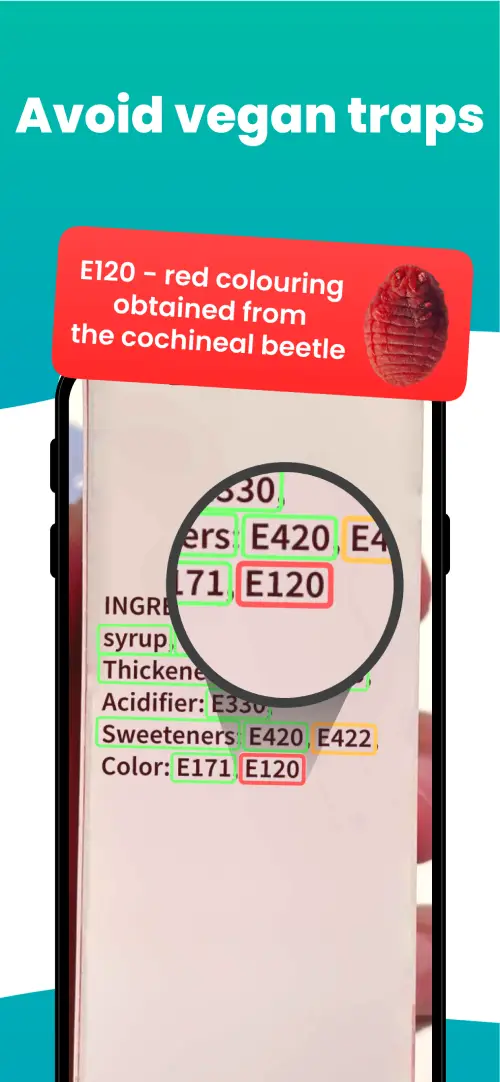
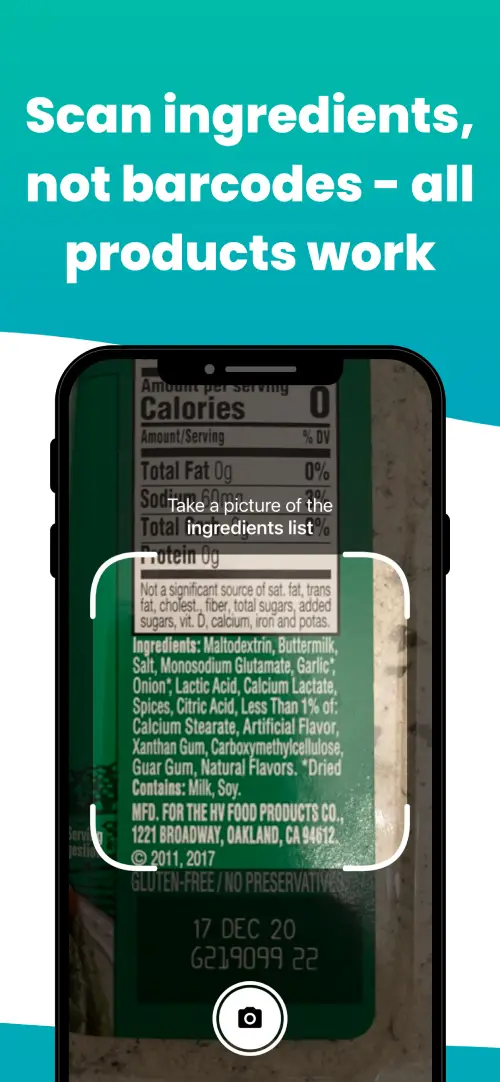
We've built a vegan ingredients scanner that classifies food ingredients as "vegan", "non-vegan", or "potentially vegan".
It allows you to avoid non-vegan ingredients - just take a picture of a product's ingredient list, and the app tells you if the product is vegan or not.



Check out other ingredients:
Are flake oats vegan?Is smoked dextrose vegan?Are thick flake oats vegan?Are non-animal enzymes vegan?Are triticale flakes vegan?Are pumpkin flakes vegan?Are barley grits vegan?Are lemon juice solids vegan?Is sweet soy sauce vegan?Are com syrup solids vegan?Are soybean ingredients vegan?Is dry malt vegan?
We'll never send you spam.